Want more from Front Office Sports
in your search results?
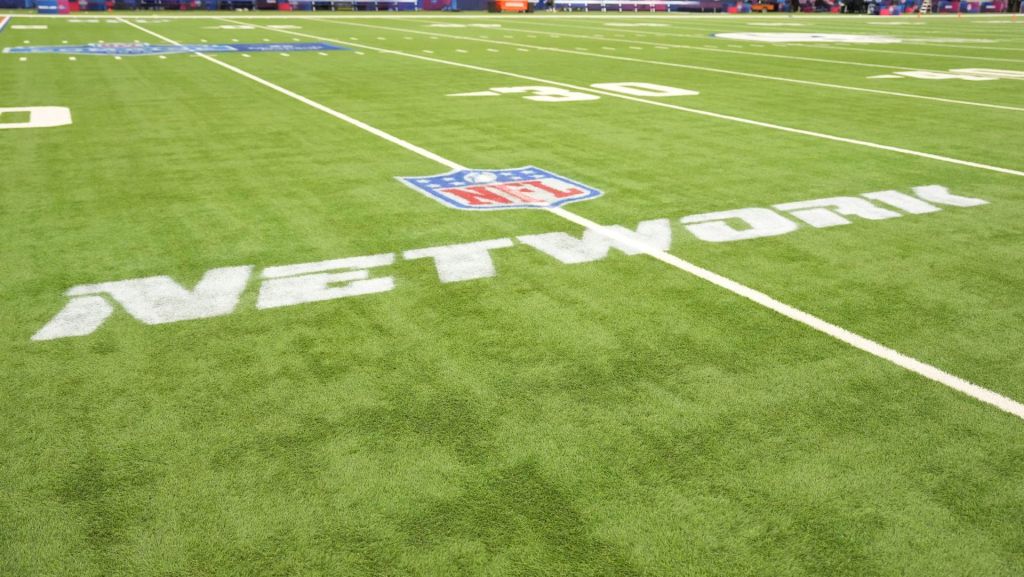
Dozens of NFL Network on-air talents will learn their fate in the coming weeks and months as new corporate overlord ESPN integrates those it wants to keep—and potentially lets other contracts expire.
The good news? ESPN is absorbing all existing NFL Network talent contracts, sources tell Front Office Sports. There will be a slow-motion process as ESPN runs the rule over its new talent—and vice-versa—before making more long-term decisions.
League brass confirmed on a Zoom call with talent earlier this week that they will become employees of ESPN/Disney as of April 1. The plan: ESPN will absorb their contracts for the remainder of their current deals, sources say. After that, they will have to negotiate new agreements with ESPN management. At that point, the Worldwide Leader will either reach a new contract with them, or let them go once their old deals expire.
Whether an individual NFL talent lands a new deal with ESPN will ultimately come down to mutual interest on both sides—and whether they fit within the network’s future direction.
“If you have a year left on your contract, you’re apparently going to live out that year. But when the year expires, you’ll be negotiating with Disney to remain a Disney/ESPN employee,” explains one source. “But if you have a month left, you’ll be negotiating with ESPN/Disney next month. There are no layoffs. They’ll just let all the contracts expire. Then Disney decides who they want to keep.”
Essentially, ESPN is playing the hand it was dealt. The network didn’t negotiate or sign the current contracts with NFL Network talent; it’s inheriting them. The four letters also had no idea when or if its acquisition of NFL Media properties would receive regulatory approval. By absorbing all existing contracts, ESPN is trying to create a runway that gives both management in Bristol and NFL Network talent in Los Angeles breathing room.
Still, with their futures hanging in the balance, some talents are in “panic mode,” say sources. “Even some of the most senior people are worried.”
Another source counters that the word “panic” is too strong. But morale is “plummeting” at NFL Media’s Los Angeles-based headquarters.
That’s not a surprise. NFL Network talent has been dealing with persistent rumors of a sale for years. As management prepped the network for a sale, they pared down staff and became increasingly stringent on pay.
“A lot of people who have their contracts expiring this spring or summer—on-air people, reporters and anchors—are very worried about what their future will look like,” says a source.
As for behind-the-scenes personnel, it’s currently unclear how their employment status will be affected by ESPN’s absorption of NFL Network.
Launched in 2003 as the first 24/7 cable network devoted to the NFL, NFL Network eventually expanded to over 50 million homes.
At its zenith, the channel was brimming with big names. Sport media stars such as Rich Eisen, Bryant Gumbel, Cris Collinsworth, Bob Costas, Adam Schefter, Scott Hanson, Ian Rapoport, Kay Adams, Kyle Brandt, Peter Schrager, Daniel Jeremiah, Mike Mayock, and Molly Qerim have all contributed to game or studio coverage over the years.
The network also had some major achievements. Since 2006, NFL Network has challenged ESPN with its own version of the NFL Draft hosted by Eisen. Brandt’s Good Morning Football program is said to be the morning show that Commissioner Roger Goodell watches during his AM workouts. Even now, a quick look at the NFL Network talent roster shows big names ranging from Pro Football Hall of Famer Kurt Warner to journalists such as Stacey Dales and GMFB host Jamie Erdahl.
But cord-cutting battered NFL Network, along with ESPN and other cable networks. Over the years, NFL Network’s role as a stopgap measure against legacy media’s refusal to pay exorbitant rights fees has withered. Meanwhile, its talent has frequently been poached, with former GMFB stars Kay Adams (FanDuel TV) and Peter Schrager (ESPN) leaving in recent years.
At the same time, ESPN chairman Jimmy Pitaro and president of content Burke Magnus were trying to rebuild their network’s strained relationship with The Shield. Buying NFL Network was viewed as an expensive “insurance policy,” say sources. With the merger, ESPN becomes a true equity partner with the NFL. It strengthens the Worldwide Leader’s hold on the Monday Night Football package against invading streamers. And it potentially puts ESPN in a position to secure better MNF game schedules and Super Bowls.
From the NFL’s standpoint, the league was losing interest fast in the struggling cable TV business. As evidenced by the league’s 11-year, $111 billion media rights deal in 2021, legacy networks and streamers are willing to pay big fees for live games. Ultimately, the league decided NFL Network would be better off in the hands of the world’s most successful sports cable operator.
The two sides negotiated for years. In August, ESPN and the NFL finally made it official. ESPN would acquire most of NFL Media’s core assets, including NFL Network and the rights to distribute the RedZone brand. In return, the NFL received a 10% stake in ESPN, valued at an estimated $2 billion.
In January, the federal government signed off on the landmark agreement. Despite previously feuding with both the NFL and ESPN, President Donald Trump has largely taken a hands-off stance toward the deal.
ESPN and the NFL either declined comment or could not be reached for this story.