Want more from Front Office Sports
in your search results?
Not all schools have signed the agreement that would give power to the new college sports enforcement entity.
Two weeks ago, power conference offices sent schools the finalized version of the College Sports Commission participant agreement—which would give the group the power to enforce rules set by the House v. NCAA settlement. Conferences asked schools to sign by Wednesday, Dec. 3.
But after public pushback from Texas Tech, questions from other schools behind the scenes, and intervention from Texas’s attorney general, Ken Paxton, power conference schools won’t all sign the participant agreement by the Wednesday deadline, sources confirm to Front Office Sports. The concept of agreement isn’t dead, but the current version of it may not end up being final.
Multiple schools are still having internal discussions with conferences about the document, one source familiar with the matter said.
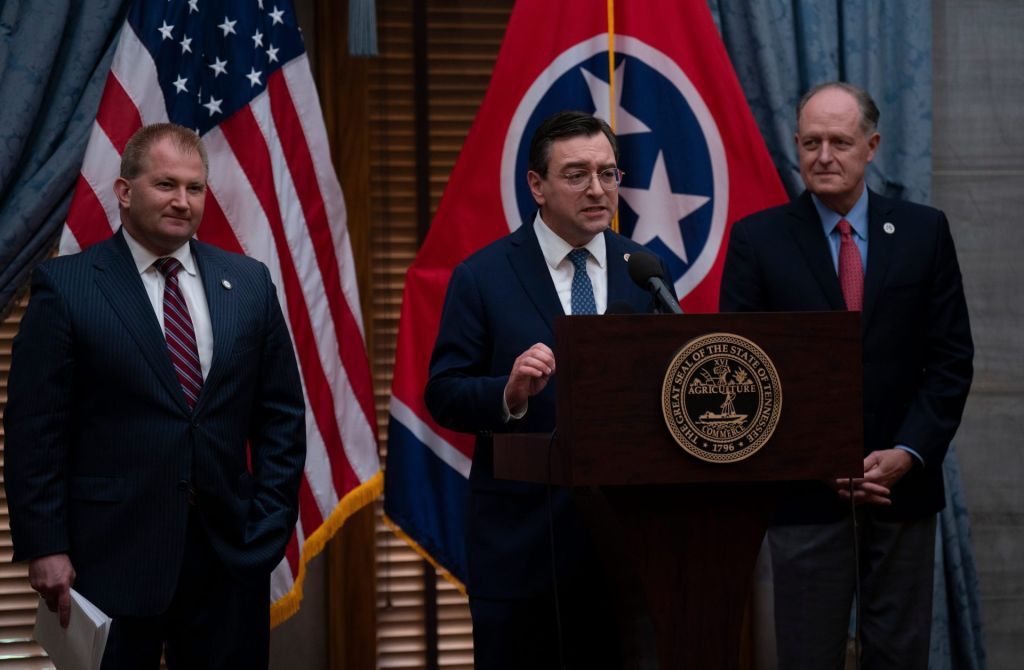
In addition, Tennessee’s attorney general Jonathan Skrmetti sent a letter Wednesday expressing “grave concern” about schools signing the agreement. The letter was cosigned by Paxton, as well as state AGs from New Jersey, Florida, Ohio, Pennsylvania, and Virginia.
The continued pushback is significant given that the CSC’s agreement says its provisions wouldn’t take effect unless 68 power conference schools sign on. Without the document, it’s unclear whether the CSC would have any teeth.
The College Sports Commission was created last summer to oversee and enforce the rules of the new House v. NCAA settlement, including the revenue-sharing cap (starting at $20.5 million per school this year), a requirement to submit NIL (name, image, and likeness) deals for scrutiny and a ban on “pay-for-play” deals, roster limits, and more. The CSC will also investigate rules violations and assign punishments.
The participant agreement itself would bind schools to the terms of the settlement and require them to cooperate in rules violation investigations. It would also make schools potentially liable for violations committed by NIL collectives or athletes, waive some of the schools’ rights to sue, and punish schools if associated entities like collectives or state attorneys general sue the CSC at their request.
Schools had received a copy of the agreement to send feedback earlier this year. Ultimately, the agreement was negotiated between the conference commissioners.
At least two schools—including Texas Tech—had gripes with the agreement and considered not signing it, sources previously told FOS. Texas Tech University System general counsel Eric Bentley penned a letter advising the school not to sign, FOS first reported.
Days later, Paxton published a letter saying the agreement was “unlawful” and “riddled with problems”—he wrote that none of the six power conference schools in Texas (Texas, Texas Tech, SMU, TCU, Houston, and Baylor) should sign. Paxton also published a letter calling for other attorneys general to send similar letters to their power conference schools.
Skrmetti’s letter, sent Wednesday to the power conference commissioners and CSC CEO Bryan Seeley, echoes these concerns. “There are real problems in college sports that need to be solved but this Agreement just means more wasted time before we get a real solution,” he said in a statement.
Over the past few months, the CSC has at least begun its enforcement process. Schools have been utilizing the NIL Go system to submit deals for approval and have access to a cap management system. The CSC has also hired a head of enforcement and begun receiving and pursuing tips about violations.
Meanwhile, rules violations are technically already occurring, with some NIL collectives bypassing approval to pay players.
Some schools also plan to offer players more than the revenue-sharing “cap.” The cap is $20.5 million per school for all sports combined. However, LSU, for example, was reported to have guaranteed more than $25 million for new coach Lane Kiffin to build his football roster alone. (It’s unclear whether those funds promised would run afoul of rules, however; schools have a cap on revenue-sharing dollars, but no cap on how many NIL deals they can arrange for players—so long as those deals are for a valid business purpose and offer fair-market value compensation.)
The CSC likely needs the power conference schools to be on board with the agreement to effectively investigate rules violations. In a previous statement to FOS, the CSC wrote: “Each of these institutions has already proactively chosen to participate in the new system – either by opting in to revenue sharing or agreeing to the House settlement. Signing the participant agreement is a logical next step in building a sustainable enforcement system and will allow the College Sports Commission to effectively deliver on what was agreed to in the settlement.”
Download the FOS App
The business of sports, in your pocket.



Scan the QR code to get the app now.