Want more from Front Office Sports
in your search results?
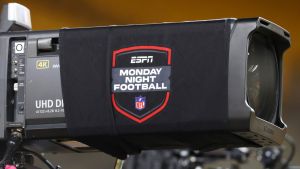
ESPN is reassessing its in-game promotional materials after an AI-generated image of Tony Parker sparked online backlash.
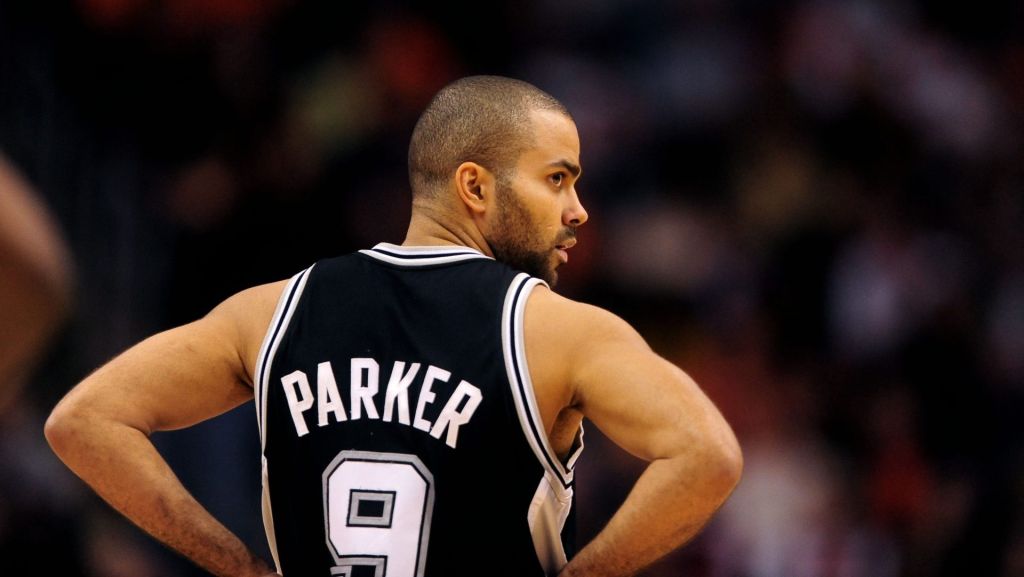
A moving portrait of Spurs legend Tony Parker from Wednesday’s ESPN broadcast of Game 1 of the NBA Finals went viral after it appeared artificial intelligence had been used to alter his appearance. An ESPN spokesperson confirmed to Front Office Sports that AI had been used to create the image—along with two other moving portraits during the broadcast—and the network is “evaluating” whether it will continue to use the technology in Game 2.
The concept of ESPN’s promotion was to bring iconic playoff images to life, the spokesperson says, and AI tools were used to create the material. The company views the use of the tech as “an experiment.”
The original image of Parker, which can be seen on NBA.com, was taken after his Spurs team won the 2003 NBA championship, the first of his four titles. ESPN’s moving portrait, which aired before an ad break at the 6:50 minute mark of the third quarter, showed Parker seated on the Spurs logo at center court, surrounded in confetti, and wagging his left pointer finger.
The Parker promo was widely mocked on social media, but it was only one of several AI promos ESPN used Wednesday night.
At the 8:03 mark of the second quarter, the broadcast showed an altered version of a photo of Bill Russell taking a hook shot during the 1960 NBA Finals.
The photo, which can be seen on Getty Images, was taken in black and white, but ESPN’s broadcast showed a color photo that had marginal movement from Russell and the basketball.
The use of AI-generated graphics has become significantly more prevalent in sports recently. Last month, Indiana Fever star Caitlin Clark called out her own social team after she spotted the use of AI in an image of her posted on the franchise’s Instagram account.
Disney, the parent company of ESPN, agreed to invest $1 billion into AI giant OpenAI in December. A part of Disney’s investment was to include iconic characters like Mickey Mouse and Cinderella into Sora, OpenAI’s video generation tool. The deal collapsed and ended in March when OpenAI shuttered Sora due to rising costs.