Want more from Front Office Sports
in your search results?
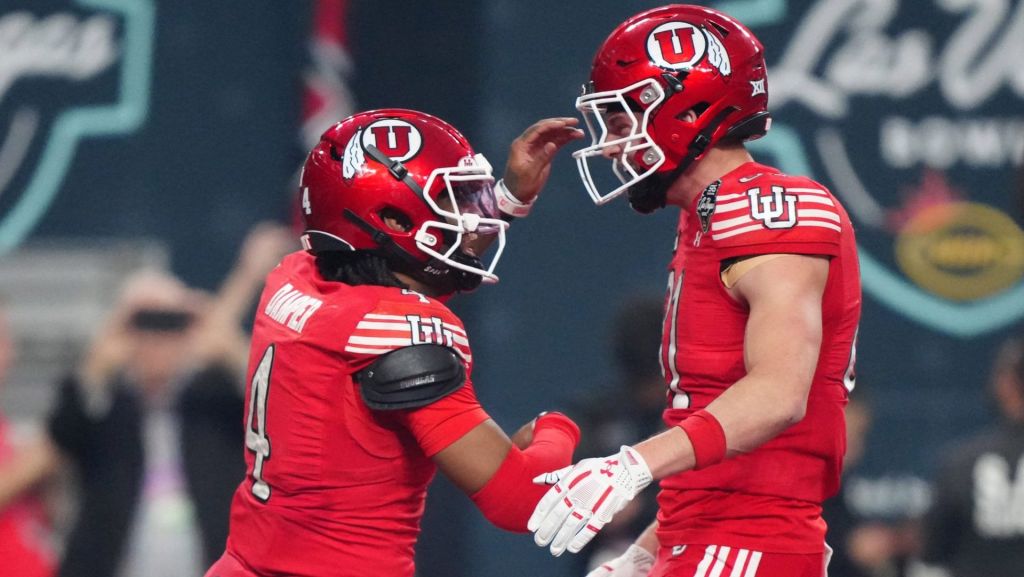
On Friday, the University of Utah announced the school has closed a private-equity deal with Otro Capital, finalizing the deal first announced last December. The Utes are officially the first athletic department to sign a private-equity deal, selling off a portion of their athletic department assets.
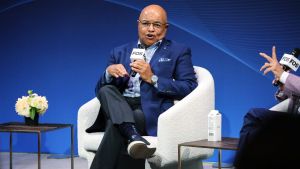
“I think we’re going to show everybody that this idea here…is going to be something that people are going to follow and be really excited to see how it all works out,” athletic director Mark Harlan said.
Utah’s university board initially authorized the athletic department to spin off its assets into a new entity, now called Crimson Brand Partners, on Dec. 9. PE fund Otro Capital would infuse capital into the organization in exchange for an equity stake. The organization will “manage commercial operations across Utah Athletics and the broader university,” according to the school. That includes everything from sponsorships and licensing to events and media. Utes Productions and athletic department fundraising will remain within Utah athletics, however.
Utah did not disclose the financial terms of the deal, but Front Office Sports reported in December that the venture is expected to generate nine figures in revenue.
On Friday, Crimson Brand Partners announced a leadership team led by new CEO Matt Webb, a sports executive with stints at the New Orleans Saints and Pelicans, the Cleveland Browns, and the San Diego Padres. Harlan will serve as the chair of the board.
Crimson Brand Partners will commence operations on July 1.
The deal took just over six months to close. During that time, Harlan described working with Otro Capital, the university at large, and the state—given that Utah was a flagship public university—to complete the due diligence required to finalize the partnership.
“There’s not a lot of roadmaps to follow, so we need to be very intentional,” Harlan said. Added Webb: “We certainly wanted to move quickly, but we weren’t going to be hasty with how we did.”
The athletic department also commenced a round of layoffs to prepare for the transition, Harlan confirmed. He added that multiple roles will transition to the new venture, and employees will be able to reapply for them.
“I anticipate many of them will be working there,” he said.
Utah officials confirmed that there’s an “exit strategy” for the university after an undefined number of years, but did not provide details on how it might work. Ultimately, however, the Utes expressed enthusiasm for the first-of-its-kind venture.
“I would argue,” Harlan said, “that there’s more risk for not doing anything.”
Download the FOS App
The business of sports, in your pocket.



Scan the QR code to get the app now.