Want more from Front Office Sports
in your search results?
Mark Walter made history when he bought the Lakers at a $10 billion valuation last year. He might’ve made history again with the fastest modern NBA franchise flip.
Walter stunned the basketball world with his surprise agreement to sell the Lakers to a group led by Joshua Kushner and Bob Iger at a $12.5 billion valuation Wednesday. Asked for their immediate reaction to the news, one NBA co-owner tells Front Office Sports “I actually didn’t believe [it]. Totally nuts.” A former longtime NBA executive tells FOS it was “not a bad day for Mark Walter and Todd Boehly. Good grief!”
Walter’s purchase of the team was announced in June 2025 and closed in October, meaning it’s been only 14 months since he agreed to buy the team and 10 months since the NBA’s board of governors approved it.
“I can’t recall a quicker control flip in pro sports M&A history,” says forensic accountant Jesse Silvertown, whose firm Hesperus specializes in transactions within sectors including sports.
“It is the fastest flip I know of,” Smith College sports economist Andrew Zimbalist tells FOS.
While NBA teams changed hands more frequently in the league’s early decades, franchise sales have typically involved much longer ownership tenures in the modern era. The New Orleans Hornets are a notable exception: The NBA itself took that team over in December 2010 and sold the franchise to Tom Benson about 16 months later. By comparison, Mark Cuban sold his majority stake in the Mavericks after almost 24 years of ownership, and Michael Jordan sold the Hornets after about 13 years leading the franchise.
The $12.5 billion valuation breaks the pro sports sales record Walter set when he bought the Lakers last year. Zimbalist wasn’t surprised by the $2.5 billion increase.
“The leagues have opened up to private equity and loosened multiple team ownership rules, so the explosion in franchise values is not surprising,” he says. “Whether the media/streaming market holds up will be interesting to watch. Lots of uncertainty but owning an NBA team is less risky than much larger capital commitments to data centers and AI.”
A team is worth whatever someone is willing to pay, and Kushner and Iger will now work to assemble the capital for the deal.
The transaction comes amid extenuating circumstances for Walter, whose insurance empire is reportedly under federal investigation over the treatment and disclosure of affiliated investments. Sources tell FOS the Lakers sale is likely tied to Walter’s troubles. One source simply says “cash crunch,” while another says “the expedited process screams liquidity crunch.”
One legal industry source tells FOS the probe into Walter’s business has focused in part on whether his insurance companies had sufficient reserve assets to support financing for his acquisition of the Lakers. The sale of the team could allow Walter to resolve the investigation because he would no longer own the asset, the source says. A second legal industry source says that characterization is likely accurate.
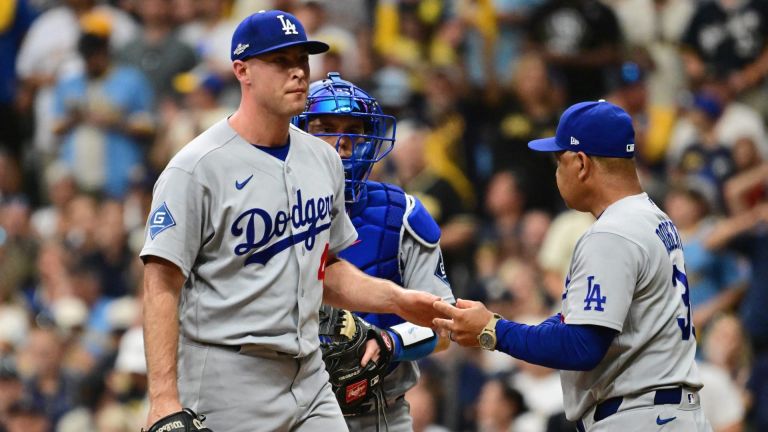
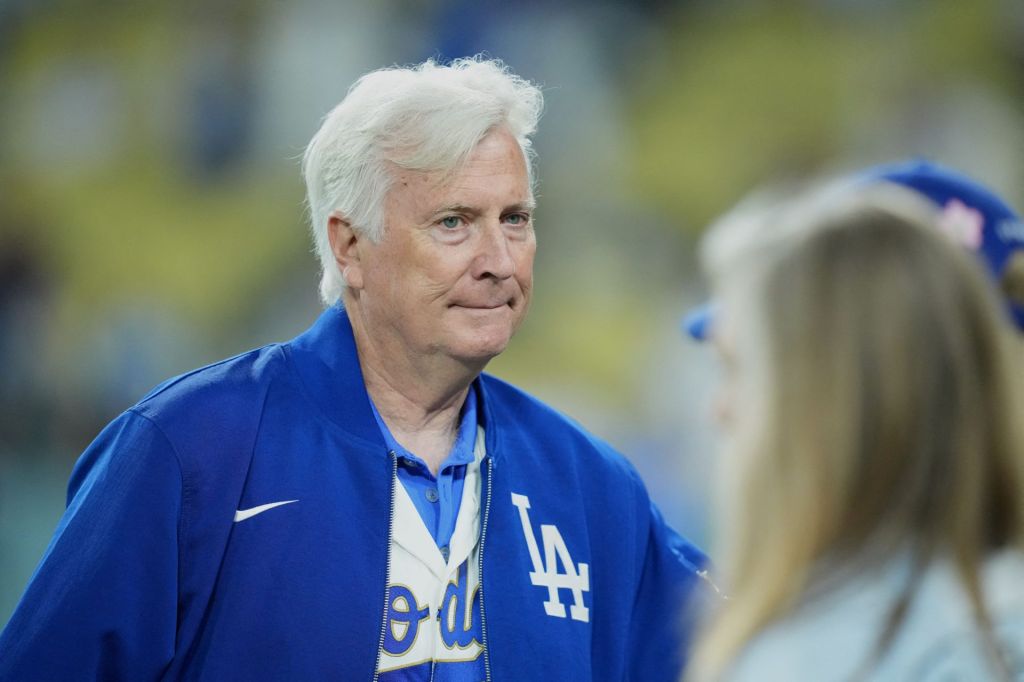
What will happen with Walter, who also owns the Dodgers, remains to be seen. But the sudden nature of his sale, and the fact that it was completely under the radar for the rest of the league, suggests there are “a few things in play,” according to David Carter, who runs sports consultancy Sports Business Group.
Carter says the deal points to a motivated seller and buyer, a desire by both sides to keep the transaction quiet, and economics that work not only for the parties involved but for the NBA owners who must approve it. Add in the off-court issues Walter is facing and “the recipe exists for a stunning deal,” he says.
“Once the smoke clears some clarity will come, even if it’s insufficient for many,” Carter tells FOS. “The intrigue associated with this sale will continue for a very, very long time.”