Want more from Front Office Sports
in your search results?
Already in the midst of large-scale changes for the new television season, Nielsen issued a reminder to networks that could have significant impacts during a frenetic upcoming sports calendar.
The measurement agency told networks that “mixing internal or third-party data with Nielsen metrics to make comparative statements in the press is not permissible.”
While that’s not a new Nielsen rule, networks have still done that to varying degrees for years when issuing viewership reports regarding their live sports programming. NBC, most notably, has regularly used its Total Audience Delivery (TAD) figures, which combine Nielsen’s Big Data + Panel measurements with digital data from Abobe Analytics.
The issue came to a head this summer during the recent FIFA men’s World Cup, when Fox issued viewership releases using strictly Nielsen data, but the NBCUniversal-owned Telemundo relied on that TAD blend of Nielsen and Adobe figures, and also touted its rising appeal during the tournament with non-Spanish speakers. In the wake of that, Nielsen is now heightening its scrutiny around competitive claims made by networks using blended audience data.
NBC did not immediately respond to a request for comment, though the network’s NFL press releases have not traditionally used TAD data for comparative purposes. Fox, meanwhile, is pleased with the Nielsen directive as each of the NFL’s rights holders will jockey for audience supremacy during a 2026 season with heightened expectations.
“Hopefully this clear, fair policy will be rigorously enforced during football season,” said Fox Sports president of insights and analytics Mike Mulvihill in a social media post.
Changing Landscape
Beginning on Monday, Nielsen is implementing a series of large-scale changes to its audience measurement, led by an expansion of its co-viewing methodology. Those shifts, representing the third major pivot for Nielsen in less than two years, will be felt during a frenetic sports calendar in the next few months that includes the start of the college and pro football seasons, the MLB and WNBA playoffs, and the start of the new NBA and NHL seasons.
Despite that effort to better capture television consumption that is already occurring, the NFL remains frustrated with Nielsen’s progress. The league said last week that Nielsen’s moves are “overly rushed,” and that it is amplifying efforts to work with rival audience measurement companies.
“Our concern is that this is going to make measurement for the upcoming season muddled,” NFL SVP of data and analytics Paul Ballew told Front Office Sports last week. “It’s been a real struggle with Nielsen, and these latest changes raise even more questions for us.”
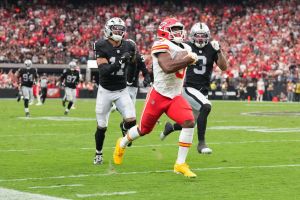
Each of these Nielsen moves, including the new press policy, will be especially felt in and around the NFL, as it remains by far the most-watched programming in U.S. television.