Want more from Front Office Sports
in your search results?
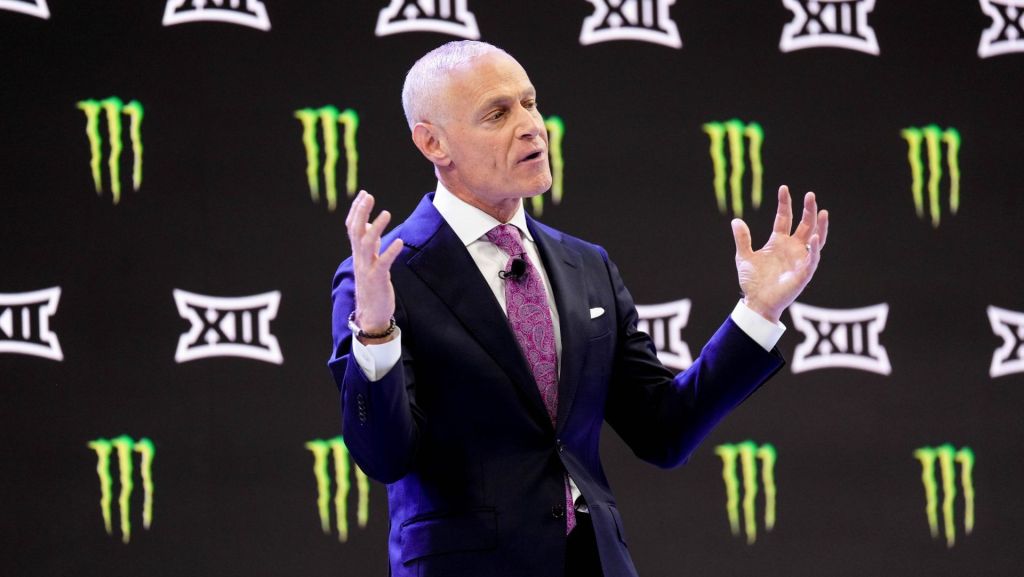
The Big 12’s expanded partnership with Monster Energy, announced Tuesday, was heralded as the first of its kind in college sports. But it has also drawn criticism from multiple industry sources who believed the deal may have both undervalued the conference and could create issues for school-specific assets in the future.
The deal, which has three main components, would rake in $20 million per year for schools, offering around $1 million per school, Front Office Sports confirmed.
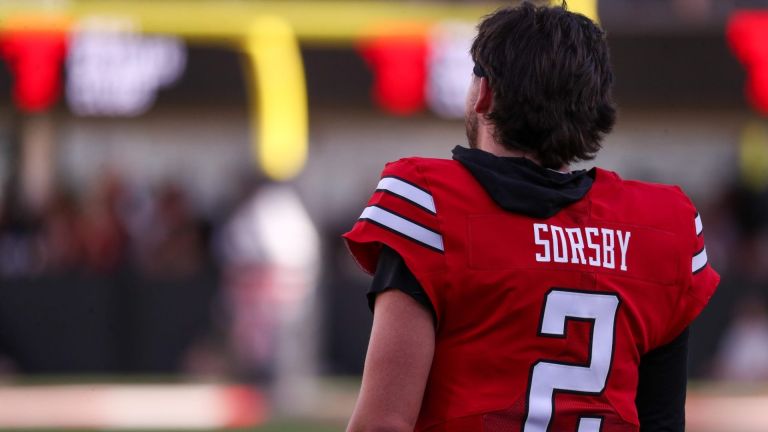
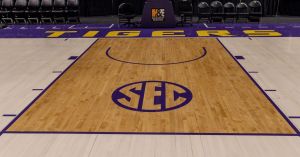
First, all Big 12 football and men’s and women’s basketball teams and fields/courts will include the co-branded patches (considered the first conference-wide jersey patch deal since the NCAA began allowing such partnerships).
Second, the Big 12 football and men’s and women’s basketball regular seasons will be referred to as “Monster Energy Big 12 Football” and “Monster Energy Big 12 Basketball,” respectively.
Finally, the deal requires Monster to include Big 12 assets in its marketing in more than 100 countries where it advertises, offering intangible exposure for the league.
“This deal was a year in the making, and the process included speaking to dozens of national brands,” Big 12 commissioner Brett Yormark told FOS. “We ultimately landed in an ideal place with Monster, when you factor in both the net new economics to the Conference, and the financial commitment being made to activate and market the Big 12 to new audiences domestically and internationally.”
One industry source, however, called it “objectively a terrible deal,” saying Big 12 schools were worth much more than the $1 million (or potentially less) the schools would be getting from the annual payout. Another said the value of school-specific jersey patch deals made with schools of the caliber of the Big 12 was worth multiple millions of dollars per year.
The jersey patch and field/court logo component isn’t a one-to-one comparison to school-specific deals, however. School-specific jersey patch deals offer brands the opportunity to paste their logo independently on a team’s jersey. The Big 12 deal offers only a co-branded patch that will also include the Big 12 branding. In addition, the compensation for the league goes beyond the $20 million in annual fees, one source told FOS: The deal requires that Monster pay for conversion fees, and Monster has committed to putting “dollar for dollar” toward its domestic and international advertisements touting the conference.
Another potential concern, however: Brands may be less willing to pay big bucks to plaster their logos on jerseys (or fields and courts) if there are other brands sharing that inventory. “There is no scenario where a deal like this doesn’t have some impact on an individual school’s asset rights,” said Craig Sloan, CEO of multimedia rights holder Playfly, which helps execute sponsorship deals, like jersey patches, at the school level and counts multiple Big 12 schools as clients.
Big 12 ADs did reportedly vote to authorize the Monster deal. And the day after that deal was announced, Big 12 program Kansas announced a separate jersey patch deal with cryptocurrency company XRP. Plus, there may be opportunities to collaborate in the future. Said Sloan: “We also think there is value in working with the Big 12 to create new pathways for large scale revenue growth opportunities that protect the schools’ MMR partnerships.”
The conference isn’t done considering these types of offerings, either, given that the Monster deal encompasses only regular-season football and basketball. The Big 12 is exploring other opportunities for Olympic sports’ regular seasons, and will continue to partner with Phillips 66 for basketball championships. The conference is also in the market for a deal for the football championship.
Monster Energy did not immediately respond to a request for comment.
Download the FOS App
The business of sports, in your pocket.



Scan the QR code to get the app now.