Want more from Front Office Sports
in your search results?
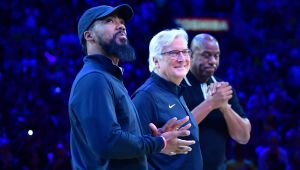
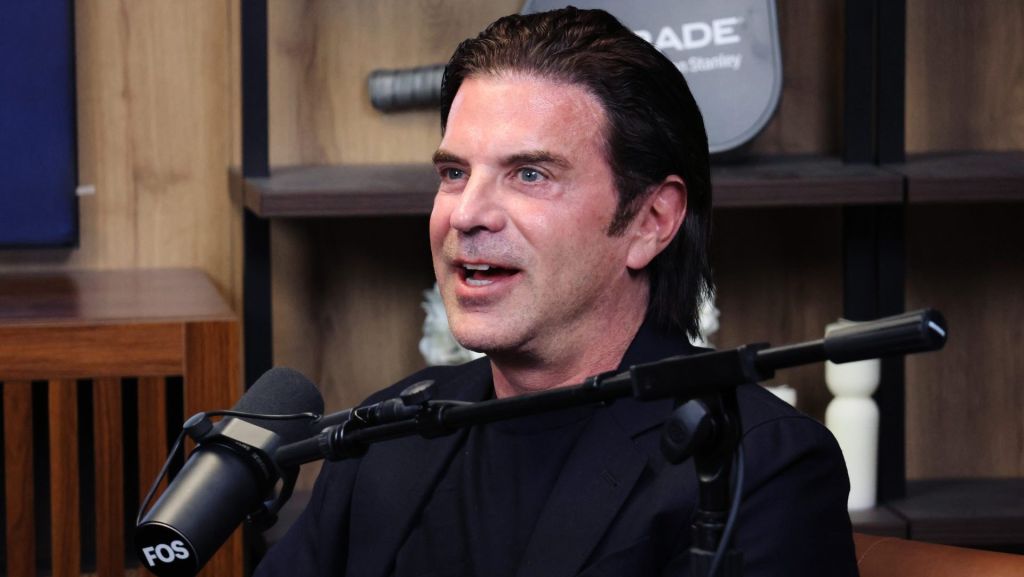
Sixers co-owner David Adelman wants Philadelphia’s next arena to be more than just a sports venue.
“You want to create an experience for people,” Adelman, a limited partner in Harris Blitzer Sports & Entertainment, told Front Office Sports editor-in-chief Dan Roberts on an upcoming episode of Portfolio Players. “It’s a night out, right? So, if you’re getting a babysitter, and mom and dad are going out—like give them something pre-game, pre-concert. Give them a great event inside the concert, but give them something to do afterwards, too.”
Adelman, who got his start in residential real estate, pointed toward the success of The Battery, the Braves’ mixed-use development, as a model, not just for how to plan new stadiums and arenas, but also for how these venues support the surrounding community.
“They built that to service—there’s something like 11 million square feet of office that doesn’t have a place to go for lunch in that surrounding area,” Adelman said. “So they’re filling a need. And so you can have the people walking around before a game, but it serves other people as well.”
While other cities might be trying to perfect the mixed-use model, it was pioneered in New England at Patriot Place. “They really built a kind of a city,” Adelman said, pointing out how the area directly surrounding Gillette Stadium supports retail, restaurants, hotels, and a hospital.
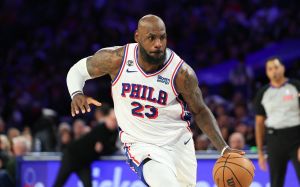
In Philadelphia, the Sixers and Flyers announced a 50-50 joint venture to build a new arena to replace the Xfinity Mobile Arena, which originally opened in 1996. Currently, the Sixers are tenants in that venue, wholly owned by Flyers parent company Comcast Spectacor. The new arena, which is estimated to cost $1.5 billion, will also be home to Philadelphia’s forthcoming WNBA team, making it what Adelman calls “the first purpose-built building for three teams.”
The WNBA team and the arena will both make their debut in 2030.
The South Philly arena announcement came in January 2025 after a dramatic, three-year push by HSBE to build the Sixers a $1.3 billion arena called 76 Place at Market East along a long-beleaguered commercial corridor in Center City Philadelphia. Critics of that proposal had expressed concern that the arena’s location on Market Street, near the city’s historic Chinatown section, would lead to residents and business owners being priced out of the area.
Along with the new arena development, planned on the former site of Philadelphia’s legendary Spectrum, HSBE and Comcast jointly spent $56 million to buy two land parcels along Market Street where the Sixers had been proposing their Center City arena. “When we announced coming together with Comcast and the Flyers and pivoting to the Sports Complex, [we] made a commitment to the city that we would still do some development there,” Adelman tells FOS.
After plans for the arena collapsed, the city formed an advisory group to determine how to develop the area. Mayor Cherelle Parker recently said she wants to see 2,000 residential units in the area.
HSBE and Comcast have not yet revealed their long-term plans for the properties they now own, but during the World Cup, street-level storefronts were converted to a string of pop-up shops that will run through the end of the year.
Download the FOS App
The business of sports, in your pocket.



Scan the QR code to get the app now.