Cowboys Co-Owner: Decision Time in Bears Stadium Drama
Want more from Front Office Sports
in your search results?
In Washington, D.C., last week, the most powerful people in women’s soccer couldn’t stop talking about one thing: construction.
During NWSL Championship week, league and team executives grappled with the stadium debacles that occurred during the semifinals—issues that were largely caused by teams not owning their own stadiums.
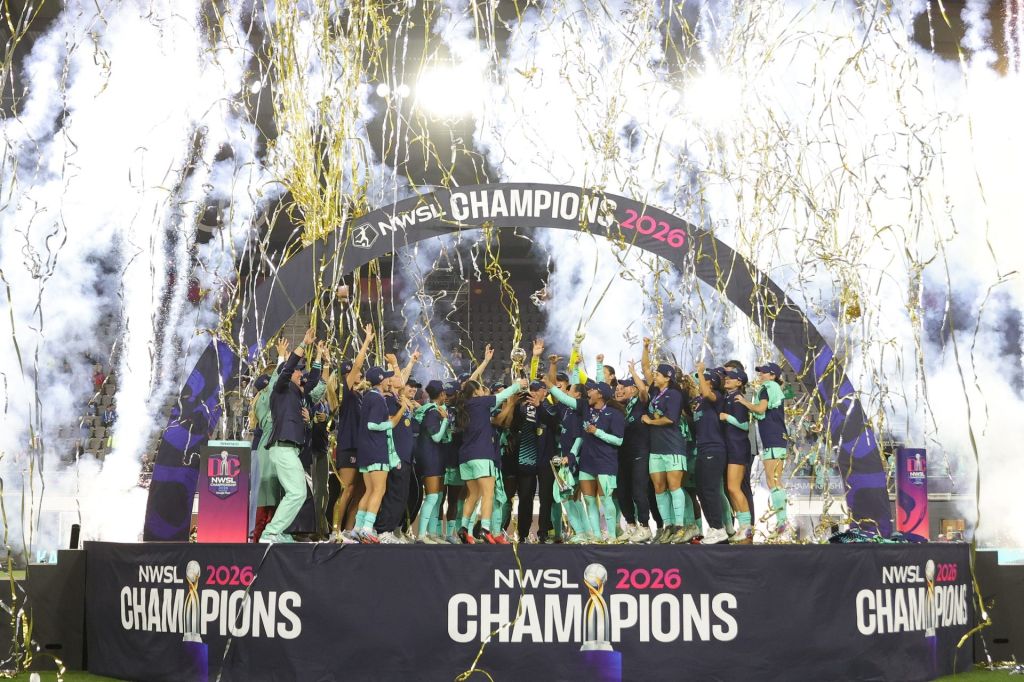
It was fitting, then, that the Kansas City Current, the only NWSL team that has its own full-time venue, won the NWSL title Saturday night.
Some change is on the horizon. Boston and Denver will join Kansas City in owning their venues once their construction projects are complete. In the meantime, Denver Summit FC moved this season to a temporary venue, which the club also owns.
“Our owners felt it was so important that we’re building two stadiums in the next three years, so that we would never come up against this issue,” Summit president Jen Millet told Front Office Sports.
NWSL commissioner Jessica Berman said during her end-of-season press conference the league is focused on infrastructure it can control or influence, whether through direct ownership, shared ownership with an MLS club, or an arrangement that prioritizes the NWSL tenant.
Here are five things we heard about infrastructure at NWSL Championship:
1. It’s time to get building.
Ralph Vuono, the North Carolina Courage’s chief business officer, has a simple answer to the NWSL’s infrastructure problems.
“The league as a whole has to make this shift now to where everybody has a shovel in the ground,” Vuono told FOS.
The Courage train and play at publicly-owned 10,000-seat First Horizon Stadium in WakeMed Soccer Park. The club’s owner, Steve Malik, told Indy Week in September the club needs updated training facilities at WakeMed, and that “plan A” is to get a bigger, 15,000-seat stadium that receives public funding. Malik even threatened the team could leave North Carolina if progress isn’t made in the near future.
“You’re sitting on the golden ticket,” Vuono said, “you have the team already in your market, why wouldn’t you want to support them to make sure you’re doing everything you can to keep them there?”
2. The problem is bigger than scheduling.
The upside of more teams owning their own venues goes beyond playoff scheduling, multiple leaders said.
“If you’re a tenant of a stadium, you don’t own most of the commercial rights,” Vuono said. “If you own your own stadium, you’re keeping 100% of those opportunities.”
Vuono and Denver’s Millet cited concessions, ticketing, parking, merchandise, and stadium naming rights as categories that stadium owners get to keep in full, but tenants have to share. Millet said not having those steady revenue streams that come from owning a stadium ultimately hinders team valuations.
“I just think it is incredibly hard to get to where you see men’s sports, the numbers they’re achieving, without that,” Millet said.
And while owning a stadium drives commercial opportunities for clubs, it also has a big impact on the pitch, as well.
“If we’re talking about leaving no stone unturned in terms of driving performance,” NWSL sporting director Sarah Gregorius told FOS, “definitely it’s a conversation about infrastructure, to make sure that we can control as much as we can control, in order to make sure that the thing that we are talking about is the game.”
3. Expansion could help solve it.
One way to increase the number of teams that control their own venues is to simply bring in owners committed to building a new stadium, or who already have one.
As the NWSL prepares to add clubs with shared MLS ownership in Atlanta and Columbus in 2028, the league is also assessing bids for its 19th and 20th clubs. Making sure NWSL teams are a priority at home venues is “really front of mind” as the league explores expansion options, NWSL COO Sarah Jones Simmer told FOS.
“The toughest thing is when we feel like we don’t have the right level of influence,” Jones Simmer said. “But this is obviously a problem we’re working to solve, and expansion is a really creative way for us to think about the landscape, and think about what we need and try to solve for it.”
Jones Simmer said the NWSL feels a “gravitational pull” toward “a few” cities. She said the “best bids” often have buy-in from local officials, and that the league sometimes talks to multiple groups from the same market. The NWSL will host its Challenge Cup in Austin in February as a test for a potential expansion market.
“I think you’ll see us start to extend the runway of announcing a club and then having them take the field,” Jones Simmer said, “especially as folks are making increasingly large investments both in the franchise fee and in the way that they’re thinking about building infrastructure, and that does just take time.”
4. Rich owners aren’t enough to solve the problem.
Although the pool of NWSL owners is growing increasingly wealthy—hello, billionaire Blank and Haslam families—money alone isn’t going to solve all the league’s stadium problems, leaders said.
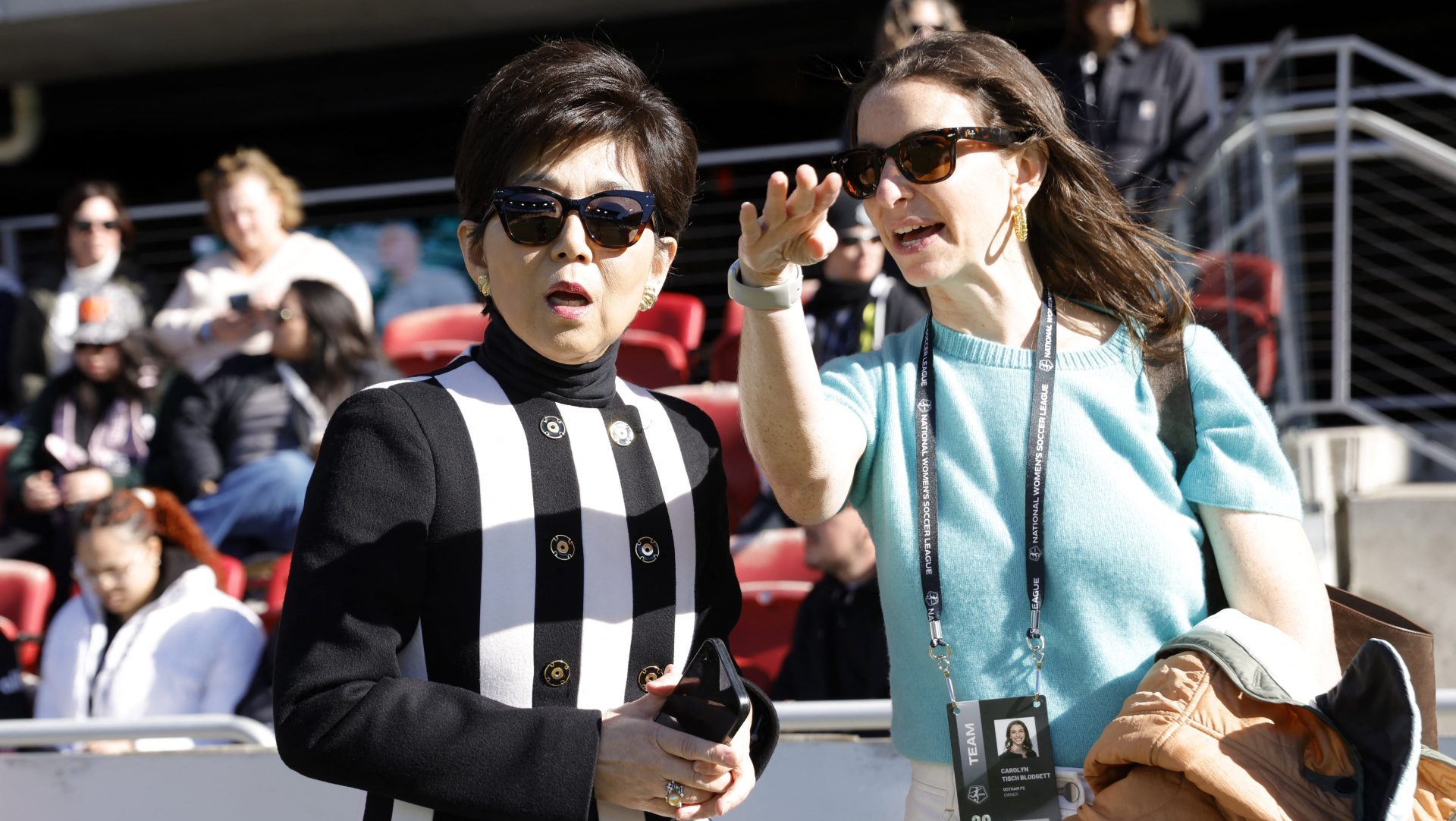
For example, Gotham FC is primarily owned by Carolyn Tisch Blodgett of the billionaire Tisch family, who are longtime co-owners of the NFL’s New York Giants. But Gotham president of business operations Mark Zarthar told FOS “it’s just a little bit harder” to build a new, independent stadium in his market. Gotham will move into MLS club NYCFC’s new stadium in Queens in the 2028 season.
“For us in New York City, our ownership group is well capitalized, they’re always willing to invest in the club, and I think if it was possible, we would have our own stadium,” Zarthar said. “But ultimately, in New York City, real estate’s pretty difficult to come by and also pretty expensive, and we’re so fortunate to have two MLS partners in our market to collaborate with.”
Recent expansion teams have also lined up millions in public money. Boston, Denver, and Columbus all took in public funding to build their new stadiums or training facilities, while Kansas City recently got approved for $185 million in public funding for renovations to their stadium and the surrounding waterfront. Many of these deals include promises for development or, as is Boston’s case, shared use with the community.
“I think what you’re seeing is as the public embraces clubs like the Spirit,” Jones Simmer said, “it gets easier to have those public-private partnership conversations, and you can see the real economic value that that’s driving with those local taxpayer dollars.”
5. Better planning can go a long way.
Boston Legacy will share its renovated White Stadium with Boston Public Schools. The club’s president, Jennifer van Dijk, told FOS she doesn’t “anticipate friction” with BPS.
“I think this is a solvable problem in scheduling and planning ahead,” van Dijk said. “We have been united with the city from the beginning that the field has got to be in professional quality at all times for our game. And that will dictate the ability to schedule around that in different windows of time and the season.”
Jones Simmer said the NWSL is “learning to be smart about what we advocate for in our lease arrangements.”
One fix that’s already bubbled to the surface is contingency dates, a common practice in NBA arenas. Spirit CEO Kim Stone told FOS that D.C. United, which operates Audi Field, going forward will book a contingency date for any events scheduled during the NWSL playoffs.
“As long as everybody’s committed to it,” Stone said, “we won’t have that again.”
Download the FOS App
The business of sports, in your pocket.



Scan the QR code to get the app now.