Want more from Front Office Sports
in your search results?
By: Stefan Kollenberg, @stef_kberg
Picture this: You’re at the game and there’s a flyer telling you to try out a cool new fan cam. It provides you with an awesome aerial picture, is easy to share with your friends and best of all, it’s free! It looks like a lot of fun and you’re pumped to give it a go! But then it asks you to download an app… what happens next?
- It takes too long to download and you give up
- You only come to one game a year and don’t care enough to create a profile
- You don’t have enough room on your phone for yet another app
- You ignore it and go buy a hot dog
Any of these options are bad news for the team, except for maybe the hot dog, that thing probably has a 5,000% markup. Regardless, it means the team just wasted thousands of dollars of investment because of these barriers to entry.
Why is this native app a barrier to use? Think about it, the majority of fans only attend a few games per year and with phone memory being such a hot commodity, they don’t want to download and sign up for something they will use once. Additionally the process of getting the app, setting it up and then using it will take a few minutes. In that time they may miss Steph Curry dropping a pair of threes, Aaron Rodgers throwing a 70 yard Hail Mary TD or David Ortiz hitting a grand slam. Fans go to a game to enjoy the experience. It will be hard to convince them to waste their time accessing your app which does the opposite of its primary purpose: enhancing the fan experience.
So how can you avoid this? What is the magical answer to engaging with a fan during the game? Well it’s actually pretty simple. You just need a platform that is easy to use and quick to access, both of which can be achieved through the creation of a web app.
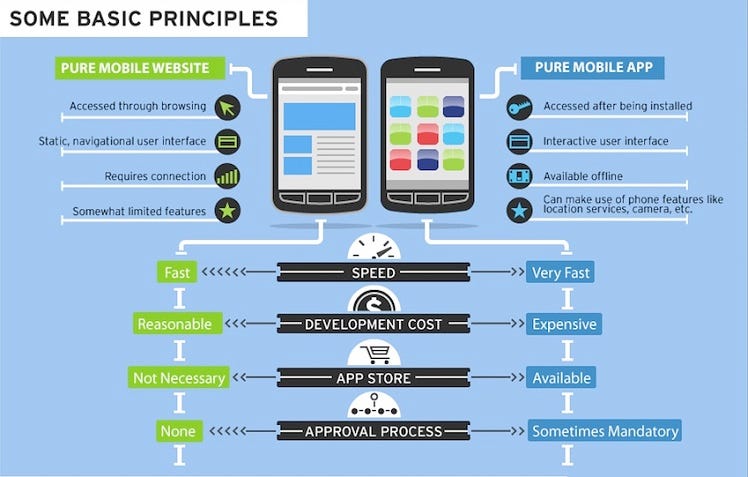
Web apps are actually cheaper to design and more flexible across different phones/operating systems. Where they falter in comparison to native apps is with long-term, consistent user interaction. Think of Twitter: wouldn’t you rather click on the native app instead of typing in the web address and logging in every time? In the case of in-game fan engagement, teams don’t need this type of platform. They have their own native apps for fans to use and just want a fan engagement tool that will improve the in-game experience, help drive attendance and encourage interaction with the team’s content. Another benefit of a web app is that they can be integrated into the team’s own native app, making it easily accessible.

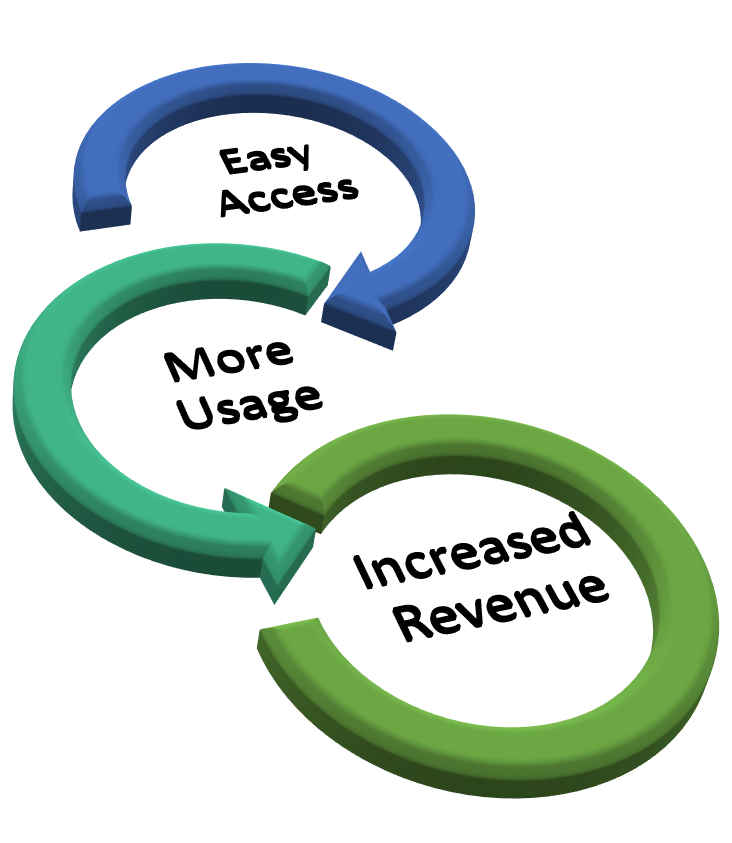
Now that you have a good understanding of what benefits a web app provides for in-game fan engagement, let’s dive into the actual effect it has. With a more accessible platform, fans are more open to trying the app and more likely to enjoy the experience. This added excitement improves the fan’s overall game day experience, accomplishing the platform’s primary goal. Not only does the experience improve, but the platform is also used more frequently throughout the game. This increase in usage means that the fans are engaging with the platform’s sponsor more, which increases the value of the sponsorship, inevitably increasing the team’s revenue.
Why haven’t we seen a bunch of web apps then? There has been a bit of an “app craze” where entrepreneurs are building a native app for everything under the sun, as it is seen as the best option. It is widely assumed that native apps are the best tool when creating a new product or service because of their deep integration with the phone. This is definitely true in some cases, but again, in-game fan engagement needs to be approached from a different perspective.

One company that has understood this perspective is Brizi. Their fan cam is controlled through a white label web app that can be customized to fit the team’s needs. A fan can access it, take their picture and share it to social media in under 30 seconds. This means they don’t miss anything important and have a better overall experience. They recently ran an activation with the NBA’s Portland Trail Blazers where it went engaged thousands of fans in the stadium and reaching hundreds of thousands back home.
This all brings me back to my original point: native apps are where fan engagement goes to die. Native apps create a barrier-to-use which hinders the fan’s experience and limits the amount of exposure a sponsoring brand receives. Web apps are far more effective in this scenario and I believe there will gradually be a shift toward this direction.
Download the FOS App
The business of sports, in your pocket.



Scan the QR code to get the app now.