CBS Sports and TNT Sports are now much closer to becoming a single entity after Paramount, the parent company of CBS, settled an antitrust lawsuit with a dozen left-leaning states.
The surprise legal resolution arrived a little more than two months after the 12 states, led by California, filed their complaint, and about six weeks after a March 2027 trial date had been established. The settlement, though not yet announced, paves the way for Paramount’s $110 billion acquisition of TNT Sports parent company Warner Bros. Discovery to move toward a closing, as the lawsuit had been the last major obstacle.
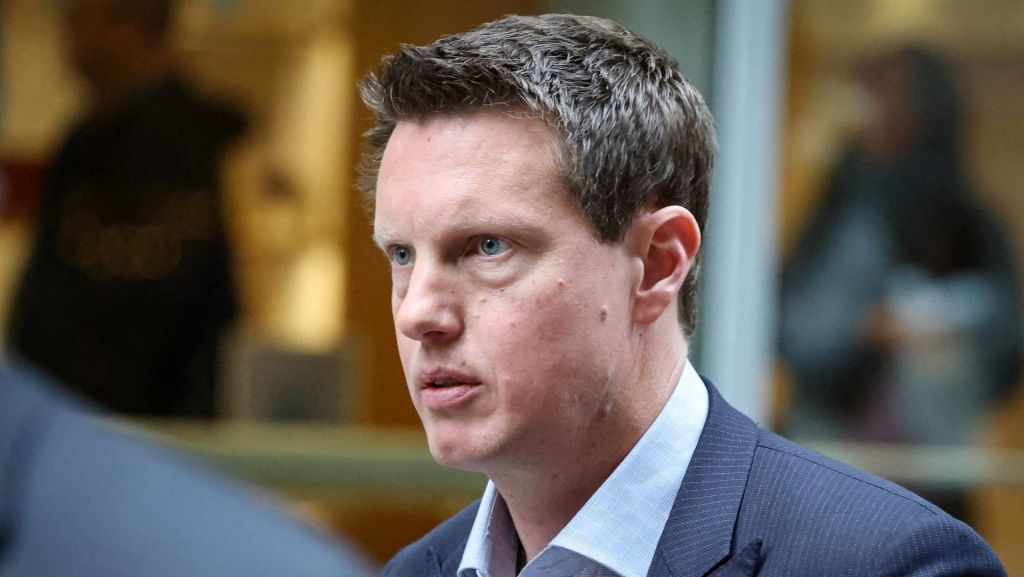
California attorney general Rob Bonta, who led the antitrust fight, insisted the agreement was not a surrender or capitulation by the states.
“This settlement is not a vote of support for this merger, or a blessing of the broader merger,” he said. “Broadly speaking, we believe that further consolidation in markets that are essential to American economic life doesn’t serve the economy, consumers, or competition well.
“But I’ve said before, and will say again, I’m always willing to come to the table for honest, good-faith negotiations. Where we can find a strong solution that protects competition and consumers, I’d rather resolve the issue in the boardroom instead of the courtroom,” Bonta said.
Deal Terms
Notably, Paramount will not be forced to sell any television networks or production studios acquired in the deal, including CNN, as part of the settlement. The company, however, will be subject to independent editorial boards created for both CNN and CBS, as well as a $30 million penalty per film if Paramount falls short of a commitment to release at least 30 movies per year. Paramount has also pledged to remain in California for at least several years, reversing a prior threat to leave the state.
Other key terms include:
- A $300 million increase in film production spending by Paramount in the U.S. compared to 2025. That spending is required to continue for at least five years, resulting in an aggregate production bump of $1.5 billion.
- A five-year continuation of separate carriage negotiations for basic cable channels owned by Paramount separate from those held by WBD.
- A requirement that at least 4 of the 30 films made annually are independent, and 20% must be blockbusters.
- The establishment of a trustee for the states to ensure compliance with the settlement terms.
A settlement had been under discussion for about a month, and it represents a major win for Paramount CEO David Ellison, who now vaults to become one of the most powerful executives in media and entertainment. The deal also arrives just before the Oct. 1 date when Paramount will begin to be subjected to a $650 million ticking fee for each quarter the WBD deal does not close.
“Our shared aim was an outcome that best serves consumers, workers and—most importantly—the creative community so vital to the art of visual storytelling,” Ellison said in a statement. “We’re confident this agreement does exactly that.”
The lawsuit had been politically divisive, and a pair of conservative states initiated a countermeasure last month that has now been mooted.
Plenty of scars, however, remain, and the deal is likely to remain a point of criticism among more progressive leaders, particularly as Ellison and his father, Larry, maintain close ties with U.S. President Donald Trump.
Sports Impacts
The Paramount-WBD agreement, meanwhile, has far-reaching sports effects. The planned combination of TNT Sports and CBS Sports would have touchpoints in nearly every major pro and college sports entity in the U.S., with the notable exception of the NBA.
During the recent period of uncertainty, both CBS Sports and TNT Sports had continued on their separate paths. CBS Sports has big expectations for the upcoming NFL season after a banner 2025 campaign that included an across-the-board run as the league’s most-watched rights holder. TNT Sports, meanwhile, remains in its period of reinvention without its previously held NBA live rights, and a recent WBD earnings report showed a sizable drop in ad sales without the presence of that league.
With the Paramount-WBD merger now set for completion, plenty of decisions will need to be made regarding sports operations, including leadership, staffing levels, branding, and production styles. The union will also be felt across sports rights, with many leagues and conferences going to market over the next half-decade.