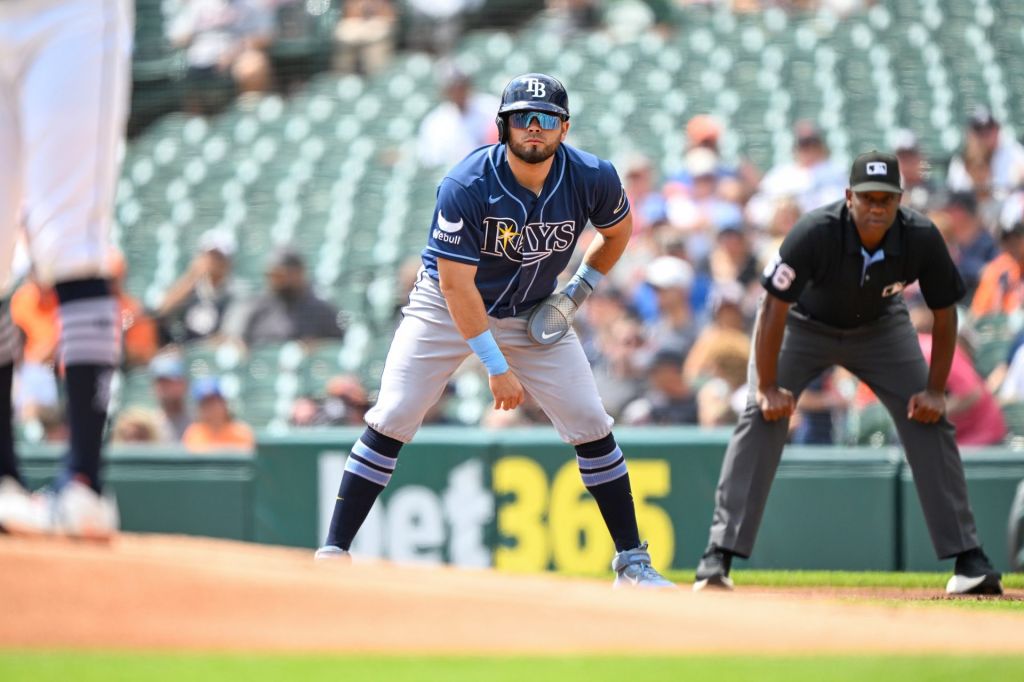
The Rays’ plan for a new $2.36 billion ballpark took a big step forward late Thursday as the City of Tampa council narrowly approved public funding toward the planned stadium.
After a marathon and sometimes-fractious hearing that lasted nearly an entire day, the legislators approved an $80 million funding package by a tight 4–3 vote. While the taxpayer outlay from this jurisdiction represents only 3% of the overall ballpark budget, the city vote was politically tenuous. It paves the way for a subsequent vote Friday by the Hillsborough County Commission.
After two decades of searching for a new stadium, an abandoned deal to stay in St. Petersburg, Florida, and an ownership shift to a Patrick Zalupski-led group, the Rays at last have the beginnings of formal political approval for a new facility in the center of the Tampa region.
The vote margin was the same as last week, when the council agreed to put this final Rays agreement on its agenda.
“It’s not merely a vote on a baseball stadium,” said council chair Alan Clendenin. “It is a vote on whether Tampa is prepared to compete for investments, jobs, housing, education, and opportunity, or whether we’re willing to let those opportunities go elsewhere.”
The club is planning a domed facility and mixed-use development at the Dale Mabry Campus of Hillsborough College near Tampa International Airport, inspired in part by The Battery in Atlanta.
“We’re obviously incredibly honored and enthusiastic by the news from the city council today,” Rays CEO Ken Babby said after the vote. “This has been a long, nine-month process [to complete this deal]. Today was a really important step forward in securing the forever home of the Tampa Bay Rays right here in Tampa. … But our work is not done.”
The vote was preceded by several hours of public comment, with dozens of citizens on both sides of the debate making passionate pleas to the council. Their arguments frequently followed now-traditional lines in these types of funding deliberations, with advocates arguing in favor of potential job creation and economic development, while opponents criticized the use of public funds to support a private business owned by a billionaire.
Deal Points
The city money, paid out over four years in even installments, will be essentially structured as a loan that will be repaid through tax revenue generated by the ballpark project. That tax increment financing structure represents a sizable shift from original discussions between the team and city. It also follows no shortage of political rancor between the council and Tampa Mayor Jane Castor.
Ultimately, the final plan also shifts more financial burden to the Rays. Hillsborough County, meanwhile, will vote on a planned taxpayer outlay of $796 million toward the ballpark. The Rays are responsible for the remaining stadium development costs, as well as all overruns.
“The public dollars are capped, and the private investment is substantial. So this isn’t an open-ended giveaway,” Clendenin said. “The final structure is materially better than what was contemplated in the original [memorandum of understanding.”