Social media has recently been flooded with clips of pro athletes lamenting that their multimillion-dollar contracts don’t go as far as people think. While such complaints can be easy to dunk on, the underlying point is important. The problem is the messenger.
The recent wave may have started with resurfaced clips of JJ Redick, one from February 2024 and another from March 2024, explaining how taxes and other costs can dramatically reduce a player’s take-home pay.
“I think people should listen, because they’re telling the truth,” Chris Bosh recently told Front Office Sports. “And it’s really interesting how people don’t want to listen to that, but if I told you that player X is signing a three-year, $150 million deal, you’ll believe it. It’s not $150 million. That’s what they’re trying to get people to understand.”
Financial advisers who work with athletes say the public often overestimates how wealthy professional athletes actually are, especially given taxes, short careers, and, in some cases, financial mismanagement.
“The general public assumption—which is that if you make it to the pros you are set for life—is far from true,” says Perigon Wealth Management’s head of sports and entertainment Marc Specht.
Plus, plenty of athletes have seen fortunes evaporate after trusting the wrong advisers. Former NBA stars Tim Duncan and Toni Kukoč have both accused financial advisers of mishandling or stealing their money.
“That’s Where Things Took a Dive”
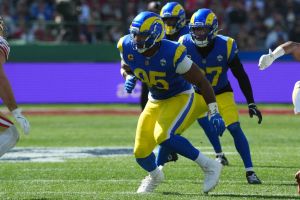
Hall of Fame wide receiver Terrell Owens is among the highest-profile NFL examples. He made nearly $80 million in playing contracts over the course of his 16-year NFL career. Yet by 2012, two years after he played his last NFL game, almost all of his earnings were gone, in part because half of that total went to taxes, agent fees, and other costs. According to Owens, it’s also because he trusted the wrong people to manage his money.
Owens blames his former agent, Drew Rosenhaus, and the financial advisers he was connected to through Rosenhaus, for draining his bank account while he focused on football.
“I trusted those individuals to manage my finances,” he said during the third annual FOS Huddle in the Hamptons. “That’s where things took a dive.”
Around 2010, Owens said forensic accountants he hired uncovered late payments, missing funds, and what he alleges was an unauthorized bank account opened using his power of attorney. In 2013, Owens sued Rosenhaus, but the suit was later sent to arbitration, and by 2018 he dropped his case. He said he withdrew his suit because the alleged fraud was discovered after the legal deadline to file a claim. Rosenhaus declined to comment.
Owens has since built a portfolio of investments, from a team in start-up tennis league Intennse to his Eighty-One wine brand. He credits his financial turnaround in part to the opportunities that came with becoming a Hall of Famer, but he says the most important change was becoming more involved himself. He now makes sure to find “the time to have eyes on the eyes that are on everything.”
Not every athlete will face the same issue as Owens. For many, the biggest challenge is resisting the pressure to spend big when they first start receiving paychecks.
“It’s enticing for a lot of players to have that big splash,” says Nolan Cooney, a former NFL punter who now works at Perigon. “Education is a big piece of it; players need to understand how much money they are actually going to have.”
Specht recommends that anyone planning to work with a financial adviser—not just athletes—check the FINRA BrokerCheck platform, which will show whether an adviser has a clean record.
“You just type in the person’s name,” Specht says. “Have they been sued? Fired? All you have to do is look.”
“That Education Is What We Need”
Redick was just the start of the trend. Last month, newly signed 76ers forward Jaylen Brown was featured in a viral clip talking about how “the agency model isn’t working” because so many players “go broke after they retire.”
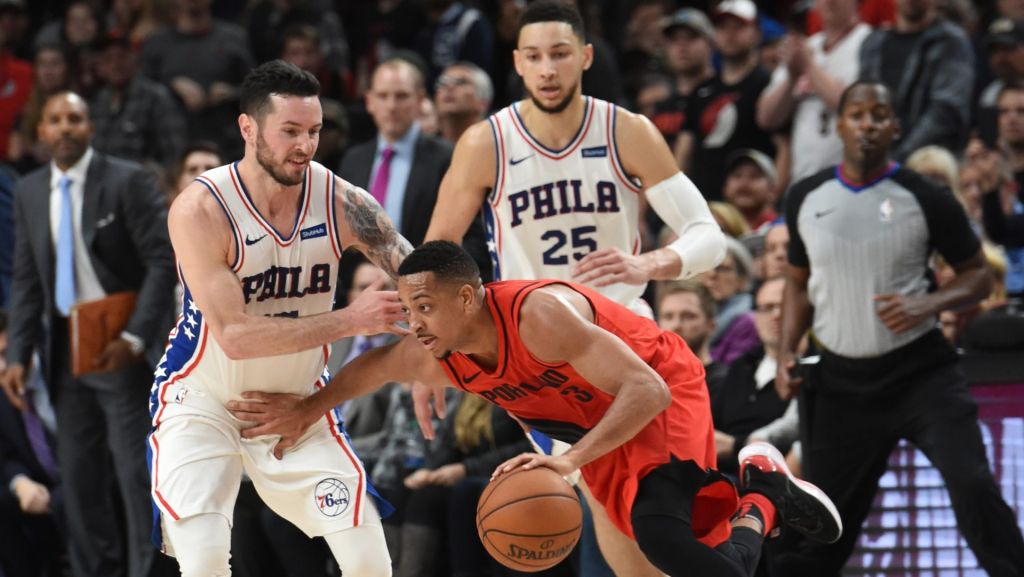
A CJ McCollum clip went viral in July that featured the Hawks guard talking about how a $2 million NBA salary ends up being less than $1 million after taxes and agent fees; McCollum said during the interview he was living off a $12,000 energy drink deal early in his career.
Similar clips from Dwight Howard, Draymond Green, Odell Beckham Jr., Joe Haden, and Ndamukong Suh have circulated this summer, prompting criticism from fans and fellow athletes alike. Bucks forward Kyle Kuzma said the real issue is “lifestyle creep,” not taxes or fees, posting on social media that “it’s exhausting hearing athletes break down how their millions ‘aren’t really millions’ after taxes and fees.” Former NBA pro David West posted on social media, “Gotta cease and desist these convos man.”
“1% of the 1% of the 1%”
The underlying point is sound, but pro athletes are the wrong messengers, according to DePaul University professor of forensic accounting Kelly Richmond Pope.
“Yes, pro athletes are talking about a legitimate gripe in the scale of the universe they live in, but that is the 1% of the 1% of the 1% of the population,” she says.
Many people watching from the outside agree that pro athletes aren’t the right people to deliver the message. But Bosh says the backlash misses the larger point.
“That education is what we need,” he said. “It’s what people need, especially when you’re coming into this kind of money.”
Ryan Rosegarten, a financial adviser at UBS who focuses on clients in sports and entertainment, sees all sides. He notes that “most pro-level athletes make more in a few years than the typical American makes in a lifetime.” But players with short careers and modest contracts face a different financial reality.
“At the end of the day, it comes down to decision-making,” Rosegarten tells FOS. “That goes for anyone.”