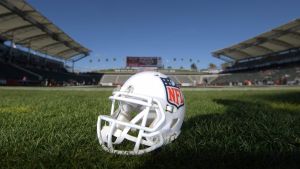
The NFL’s grass vs. turf debate is back in the spotlight as the FIFA World Cup kicks off Thursday in Mexico, running through July 19 in New York.
As the biggest soccer tournament in the world is played in North America, 11 NFL venues will host matches, beginning with the U.S. men’s national team’s opener Friday at SoFi Stadium in Los Angeles.
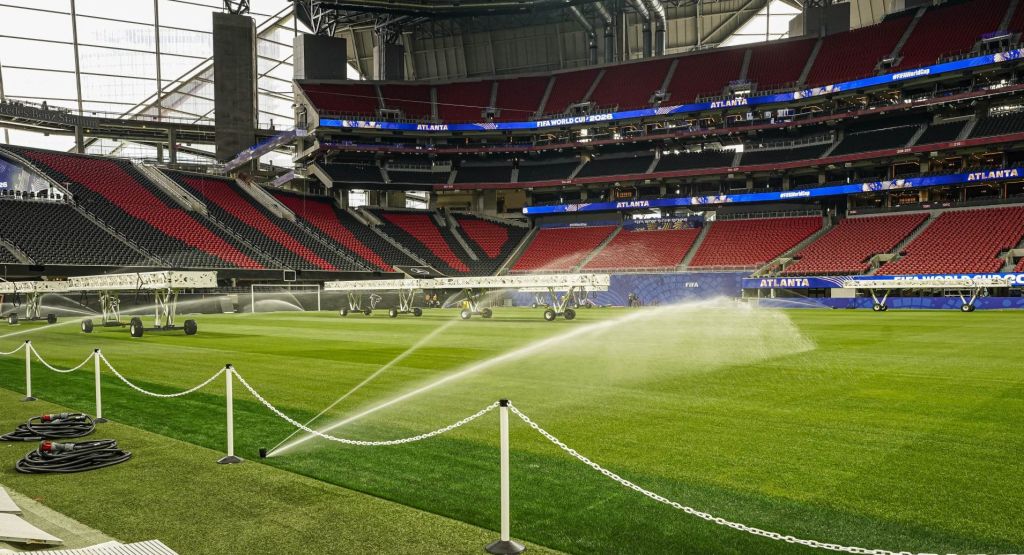
Franchises in eight NFL markets have removed artificial turf playing surfaces from their stadiums and temporarily installed natural grass this summer due to FIFA’s requirements.
- Atlanta: Mercedes-Benz Stadium (Falcons); five group-stage matches, one round of 32, one round of 16, one semifinal
- Boston: Gillette Stadium (Patriots); six group-stage matches, one round of 32, one quarterfinal
- Dallas: AT&T Stadium (Cowboys); five group-stage matches, two round of 32, one round of 16
- Houston: NRG Stadium (Texans); six group-stage matches, one round of 32, one round of 16
- Los Angeles: SoFi Stadium (Rams and Chargers); five group-stage matches, two round of 32, one quarterfinal
- New York: MetLife Stadium (Giants and Jets); five group-stage matches, one round of 32, one round of 16, World Cup final
- Philadelphia: Lincoln Financial Field (Eagles); five group-stage matches, one round of 16
- Seattle: Lumen Field (Seahawks); four group-stage matches, one round of 32, one round of 16
The official sponsored names of the stadiums have been removed for the World Cup, with venues simply referred to by their location (e.g., Mercedes-Benz Stadium is now Atlanta Stadium).
The USMNT is playing two group-stage matches in Los Angeles and one in Seattle.
NFLPA Concerns
Currently, half of the NFL’s 30 stadiums use natural grass fields, and the other half use some form of artificial turf or a hybrid blend.
The NFL Players Association called out the surface switches being made for the World Cup, revealing that 92% of NFL players said they prefer natural grass during a recent survey.
“The temporary installation of natural grass fields for the World Cup is a choice by certain NFL team owners to do for soccer players what they refuse to do for NFL players,” the NFLPA said in a statement. “It’s no longer a question of capability: the technology exists, the expertise exists and the resources exist to install the high-level grass fields that our players overwhelmingly prefer.
“We have seen the meaningful investments made to meet the standard for international athletes and global events. NFL players—who regularly compete on these fields, help fund these stadiums and whose work makes the league what it is today—deserve the same commitment to quality grass fields.”
Some NFL stadiums also temporarily installed grass surfaces during the FIFA Club World Cup last summer.