Want more from Front Office Sports
in your search results?
ABC’s coverage of the NBA Finals will no longer include moving portraits made with AI tools, a source confirmed to Front Office Sports. ABC did not appear to include any moving portraits during Game 2 of the NBA Finals Friday between the Knicks and Spurs.
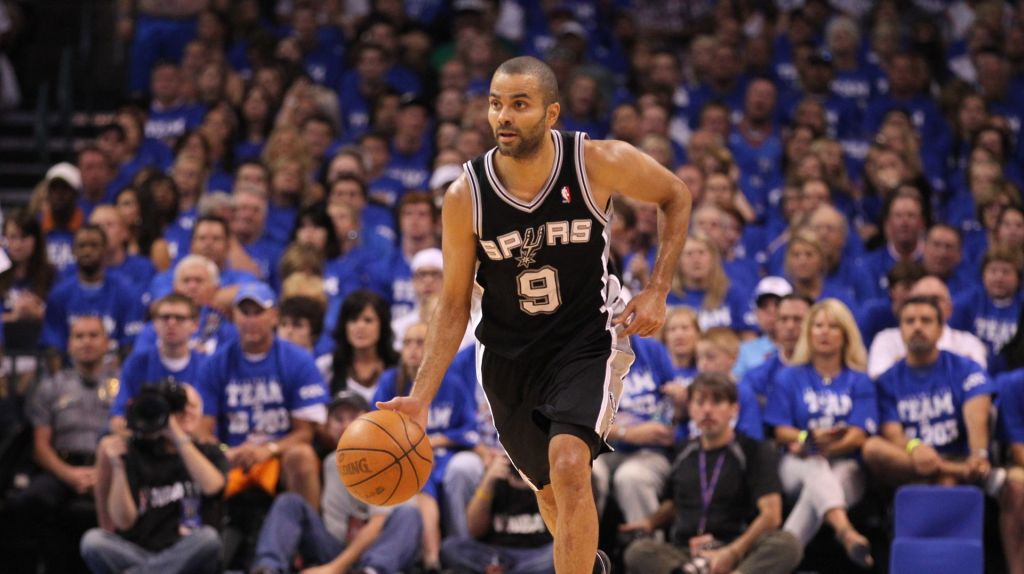
Online outrage surfaced after Game 1 when ESPN appeared to use AI to generate a photo of Spurs legend Tony Parker. An ESPN source confirmed to FOS on Thursday that the image of Parker was made with AI tools, and the company was “evaluating” whether it would continue using moving portraits for the remainder of the series.
A photo of Parker sitting on the Spurs logo after winning the 2003 NBA title was shown before an ad break in the third quarter of Game 1. The original image was a still shot, but Parker’s hand was moving on ESPN’s broadcast.
The moving image appeared to be altered by AI as Parker’s face did not resemble the still image, which can be found on NBA.com. Parker had a much wider smile on ABC’s altered image.
But Parker’s image was not the only instance of moving portraits aired on the broadcast. The source confirmed that there were two other times where similar technology was used to generate moving portraits of still images.
In the second quarter, one image showed NBA legend Bill Russell taking a hookshot in the 1960 NBA Finals. The original still image, which can be found on Getty Images, was in black and white. The broadcast showed an image in color with Russell’s arms moving as he took the shot.
Another instance showed former Lakers star Kobe Bryant hugging teammate Ron Harper, father of current Spurs guard Dylan Harper. Bryant had a much wider smile in the AI image, which is taken from the 2001 NBA Finals. The original photo can also be found on Getty Images.
ESPN’s moving portraits are just the latest illustration of the prevalence of AI in the world of sports—and fans’ backlash to it. Last month, Indiana Fever guard Caitlin Clark called out her team’s own social media team for using AI to edit a photo of her on Instagram.
While AI has been used to generate altered images of players, some of the more harmful examples include fabricated quotes and videos that stars have even had to publicly address.