Vicious Infighting Is Jeopardizing the Future of Women’s Baseball
The head coaches at the 2026 World Cup are a motley crew.
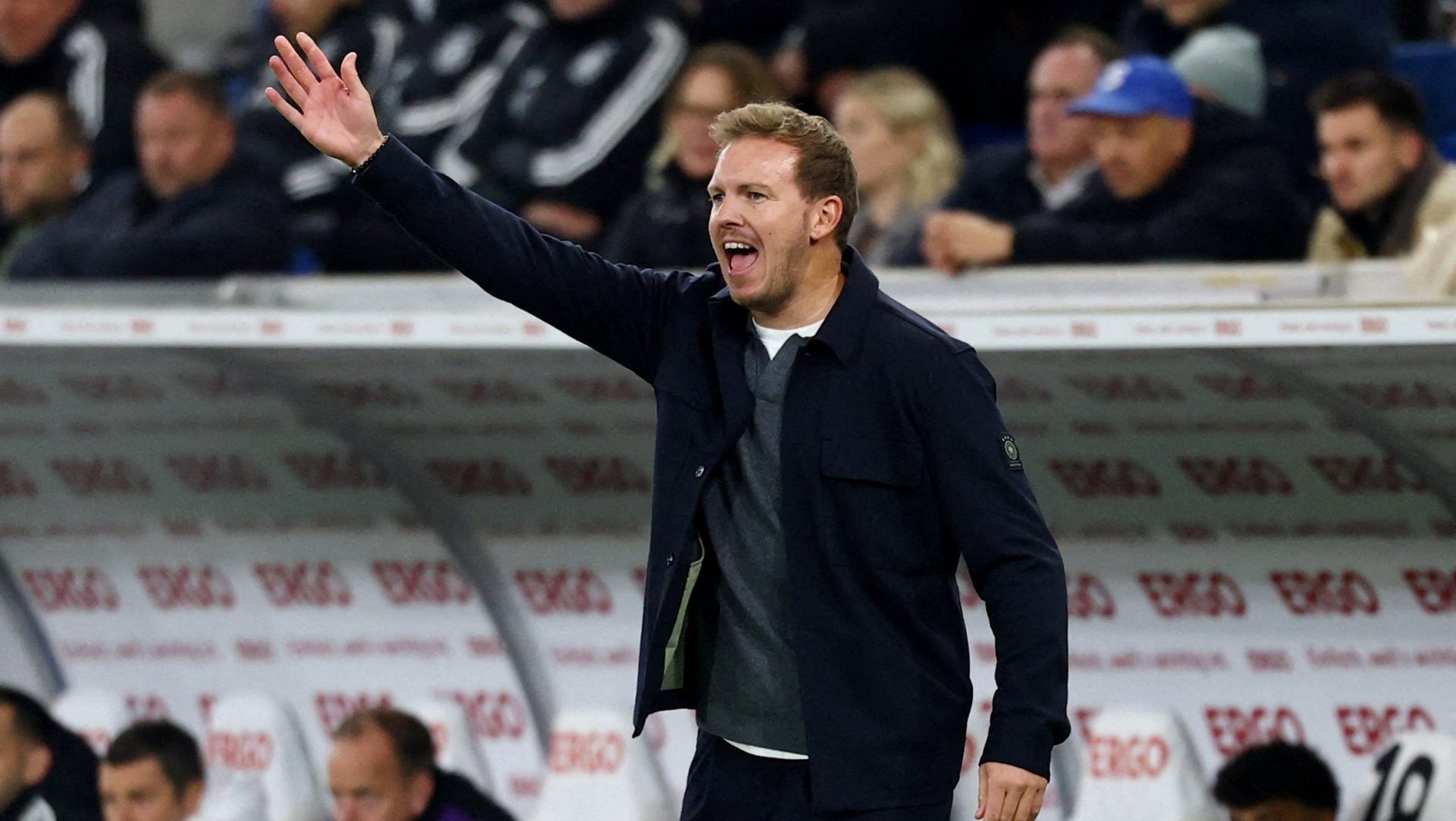
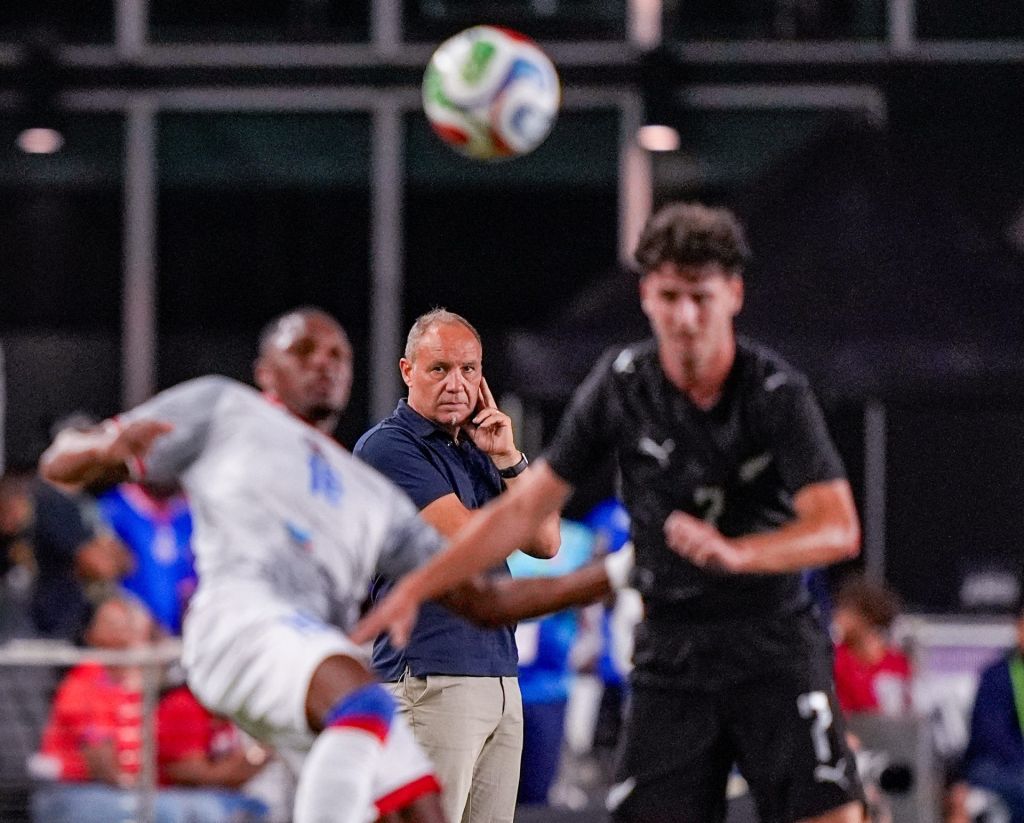
Germany’s Julian Nagelsmann is the youngest at 38; Curaçao’s Dick Advocaat is more than twice his age at 78. Twenty-eight of the 48 are of a different nationality than their team. Haiti’s Sébastien Migné has never set foot in the country he’s coaching. France’s Didier Deschamps has been in the role for almost 14 years; six others were appointed in the past six months. Two have won the World Cup before, while more than three-quarters have never coached a game at the finals.
This diverse bunch reflects a host of interconnected factors that make identifying and recruiting a head coach a big challenge.
Coaching in international and domestic soccer are very different jobs. Club managers have daily access to their players, can buy and sell to build the squad they want, and are always in the media spotlight. By contrast, international coaches are lucky if they get 50 days with their teams each year, can select only the players deemed eligible by FIFA rules, and often go silent for months at a time.
Yet for all of those differences, clubs and national associations tend to treat coaches as a single talent pool. There are gems—it’s just a question of finding them.
“There are phenomenally good coaches working in weird corners of the world,” says Alex Stewart of Analytics FC, a U.K.-based sports-data consultancy.
National associations hire Stewart and his colleagues to help find those head coaches. Part of this search is casting the net wider than associations have the resources to be able to on their own.
Analytics FC and its competitors, including the 21st Club and SRC, use their vast databases to identify coaches who employ playing styles and tactical preferences that match those of their clients. Some teams also prioritize candidates from relatively obscure or small markets, so they can pocket money to invest in other aspects of performance, such as sports science or upgrading national-level infrastructure.
After these firms complete their analysis, they hand over a short list of candidates who fit the bill. It’s up to the national associations, then, to use the recommendations as they please.
It’s not necessarily a given that everyone on the lists will even want an interview; national associations are often aware of their place in the pecking order. Many coaches prefer to “keep their boots on the grass” and remain in the club game, according to one executive, while Stewart admits he cannot recall the last time a national association was able to poach a highly regarded coach from a club.
The head coaching search for the World Cup is complicated and unique, but some of it is also highly familiar: “Ultimately, what you want to find, like with any recruitment,” Stewart says, “is the best available option for the least amount of money.”
Beyond the Hard Data
For all these companies are able to do, however, they’re still limited by the data they have available.
Club managers lead their teams in 50 to 60 games a season, and those games will be against clubs of a broadly similar standard. But international sides play far fewer matches, and the quality of their opponents can vary wildly.
Take Germany, which began qualification for the World Cup ranked ninth in the world, and has realistic hopes of winning the tournament. It had to play home and away games against Slovakia (ranked 52nd), Northern Ireland (71st), and Luxembourg (92nd). Naturally, it strolled through the group.
But the set of results provides almost no information about the ability of Julian Nagelsmann to coach his players in matches against the best teams in the world at the business end of the tournament—and it is on these games that his performance will be judged.
That’s why soft skills are important alongside the complicated—and somewhat incomplete—picture the data provides.
As chief football officer at the Football Association of Wales, David Adams has led several head coach appointments. He is clear on his biggest priority for an international coach: “They have to be an exceptional communicator, who is able to translate information in a short amount of time to players from different backgrounds, cultures, and clubs.”
Marc Canham, who fulfilled a similar role in Ireland, agrees: “International coaches hardly get any time on the pitch with the whole squad,” he says, “so they have to be really flexible and adaptable in using all of the coaching and performance tools to make themselves heard.”
Skill and Serendipity
Because of the number of factors in play, national associations can come to opposite conclusions in recruitment for entirely logical reasons.
Canham led a search for a new head coach for Ireland in 2024. Aware of the differences between managing a club and coaching a national team, he wanted someone with a “proven ability of achieving unexpected performance in the international world.” He landed on an Icelander, Heimir Hallgrímsson, who had led his tiny country to the quarterfinals of UEFA European Championship 2016.
In contrast, the Brazilian football association offered its head coach role to Carlo Ancelotti: the man with the world’s best reputation for handling unruly or opinionated dressing rooms, despite the fact that he had never previously worked in international soccer.
Academic studies have long tried and failed to quantify the impact of coaches on team performance.
If there is a consensus, it is that their impact is actually very small relative to other factors, such as player quality and pure luck. (Soccer is a low-scoring game, which means that your star striker experiencing a sudden cold streak in front of goal can prove very influential over a short period of games.) Given the shallower data that exists for international soccer, the case for the importance of coaching is muddier still.
But there are a few examples where team and coach combine to create a level of performance that is greater than the sum of its parts. Halgrímsson’s Iceland in 2016 is one. Walid Regragui’s success in taking Morocco to the semifinals of the 2022 World Cup is another. But the preeminent example remains that of German Otto Rehhagel, who was in charge of Greece in the 2000s.
Rehhagel had a simple plan for winning soccer matches: Play physically dominant defenders, quick wingers adept at crossing, and a striker who was very good in the air. Qualifying for Euro 2004 was an achievement in itself. Greece had never won a game at a major tournament. However, after squeaking through the group stage, it beat France, Czechia, and Portugal each 1–0, with all three goals being headers from crosses.
This year, those magic moments could come from Hajime Moriyasu’s relentless Japan side, who has beaten a series of elite teams in recent years; or Sebastián Beccacece’s muscular Ecuadorian team. Both look well capable of reaching their first-ever quarterfinals.
In soccer, it is highly unusual for a coaching plan to come together perfectly. But at the World Cup, it is almost certain that several of its 48 teams will overperform their expectations.