Want more from Front Office Sports
in your search results?
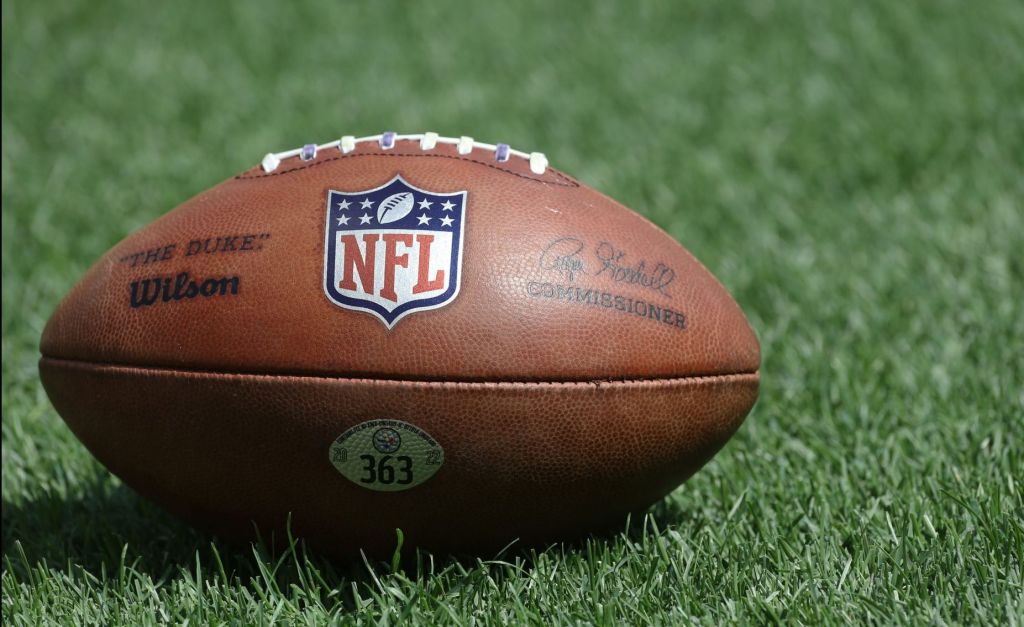
A long-simmering field debate between the NFL and NFL Players Association is reaching another flashpoint as the union is again putting public pressure on the league to reject artificial turf fields—and used the spectacle of the FIFA men’s World Cup final as a platform.
The NFLPA leveraged this past weekend’s end of the World Cup to renew its push for grass fields across the league, rolling out a #WorthTheCost social media campaign. The union itself, along with dozens of individual players, posted with that hashtag, emphasizing again that grass fields are the overwhelming preference of the NFLPA and its membership. Half of the league’s 30 stadiums use natural grass, while the other 15 use synthetic turf.
“If it’s good enough for the World Cup, it’s good enough for NFL players,” tweeted NFLPA executive committee member and Bengals linebacker Oren Burks. “Player safety shouldn’t be temporary. Make grass mandatory!”
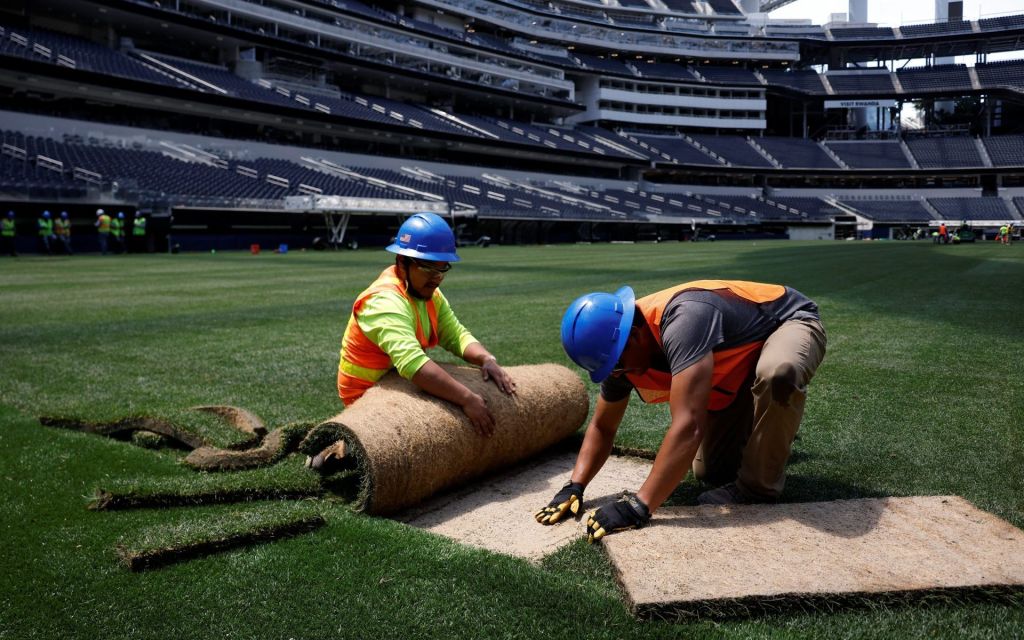
That effort seeks to bring action to tension rising since the start of the tournament. FIFA requires grass fields for its competitions, and with 11 NFL venues hosting matches over the past month, eight of them with artificial turf temporarily removed those fields for grass.
Reinstallation of the artificial turf is now happening across those facilities in preparation for the 2026 NFL season, again angering players.
“The cost of doing nothing is paid for by players’ bodies,” said another union executive committee member, Packers linebacker Zaire Franklin.
The field debate has been a key early issue for NFLPA executive director JC Tretter, appointed to the job in March. While player injury rates have been essentially equal between natural and artificial fields, the union under Tretter is taking a more publicly strident stance than his predecessor, interim executive director David White, who previously lauded the progress made on field safety in 2025.
“The temporary installation of natural grass fields for the World Cup is a choice by certain NFL team owners to do for soccer players what they refuse to do for NFL players,” the NFLPA said when the tournament began. “It’s no longer a question of capability: the technology exists, the expertise exists, and the resources exist to install the high-level grass fields that our players overwhelmingly prefer.”
Facility Dynamics
As the NFL field debate continues to play out, the NFL and NFLPA are working together on the sport’s Joint Surfaces Committee to “develop higher standards and establish greater consistency across NFL playing surfaces.”
That panel, and the implementation of a new set of field standards, has helped even out those injury rates to the point where there is not a significant difference between natural grass and artificial surfaces. Still, 92% of NFL players surveyed still prefer playing on grass.
“I think the emotion needs to get pulled away from the field makeup and more towards the actual performance values that we’re chasing that meet the expectations of our NFL athletes,” NFL field director Nick Pappas tells Front Office Sports.
As that committee and field standard work continues, union sources said they plan to continue to highlight during the upcoming season the clear preference of the players for natural grass.
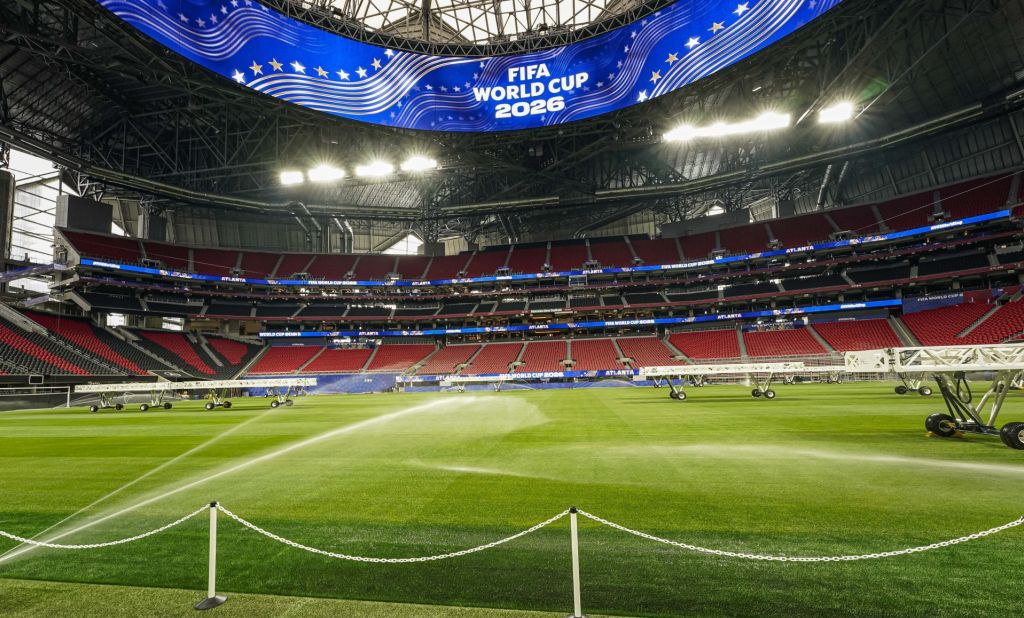
Despite those wishes of players, though, switching to grass isn’t an easy switch for some stadiums using turf. A spokesperson for Mercedes-Benz Stadium, home of the Falcons, tells FOS that despite having grass for the World Cup, the stadium is unable to support such an endeavor over the five-month length of the NFL season.
The building, which has a retractable roof, does not receive sufficient sunlight to sustain natural grass long-term, and even if it did, the large number of ticketed and private events MBS hosts beyond the NFL schedule would make it impossible to maintain. Unlike several other NFL facilities, there is also not the needed space around the downtown Atlanta facility to install a tray field system that would allow grass to be moved out between games.
Grass Factors
Then there is the matter of the grass type itself. Even if an NFL team that hosted the World Cup decided to switch from turf to grass, they likely would be unable to use the surface from the tournament. The majority of NFL grass fields are of a Bermuda grass variety, while many of the World Cup venues used a cool season variety, composed of 84% Kentucky bluegrass and 16% ryegrass. Only Kansas City, Miami, New York/New Jersey, and San Francisco used Bermuda grass.
The cool season variety, which has been used for NFL games internationally at Allianz Arena and Wembley Stadium, is typically used indoors and requires players to use a more aggressive cleat, according to Pappas. The league has received feedback from players that they don’t prefer this kind of cleat, but rather enjoy playing in molded cleats.
Another challenge for teams is the rate at which grass needs to be replaced. During the World Cup, FIFA had exclusive rights to the stadium, preventing the use of those facilities for other events. This is not the case during the NFL season, with concerts and other events often helping deteriorate fields during the football season. The NFL game is also much tougher on the playing surface, with the action more concentrated on the field and NFL athletes much bigger in size than soccer players.
“Our game tends to degrade a field at a rate unlike any other sport,” Pappas said. “That’s why you need that recovery time. I don’t know if even with the most modern technologies or how Mercedes-Benz was outfitted if it would allow them to get more than 2 to 3 NFL games on [a grass playing field] before having to replace that surface.”
Where Does World Cup Grass Go?
FIFA, meanwhile, is selling pieces of the grass used for the World Cup final at MetLife Stadium on its website for $450. Resin will be used to preserve the grass, which will come in an acrylic casing.
The grass from MetLife is the only playing surface from the tournament currently available for purchase. Philadelphia’s Lincoln Financial Field, which hosted six matches including France’s Round of 16 win, has already returned its pitch to Tuckahoe Turf Farm in New Jersey to be recycled, according to a spokesperson.
The grass used at AT&T Stadium will likely die and be disposed of, according to a Cowboys spokesperson. Dallas will attempt to stockpile the grass and use it later down the line, but will first have to sift out the synthetic stitching required by FIFA. That process makes it tough for the grass to be reusable. The team does plan to either reuse or recycle the soil and sand used, as it is still in good condition.
Download the FOS App
The business of sports, in your pocket.



Scan the QR code to get the app now.