In the flurry of programming announcements on Monday to kick off upfront week in New York, there was an unavoidable trend: legacy networks getting additional NFL broadcasts.
Since the NFL is by far the most-watched programming in all of U.S. television, anything the league does is big news—certainly in advance of the highly anticipated schedule release on Thursday. What unfolded on Monday, however, carries particularly large implications, both for fans and for the league politically.
A breakdown of what occurred:
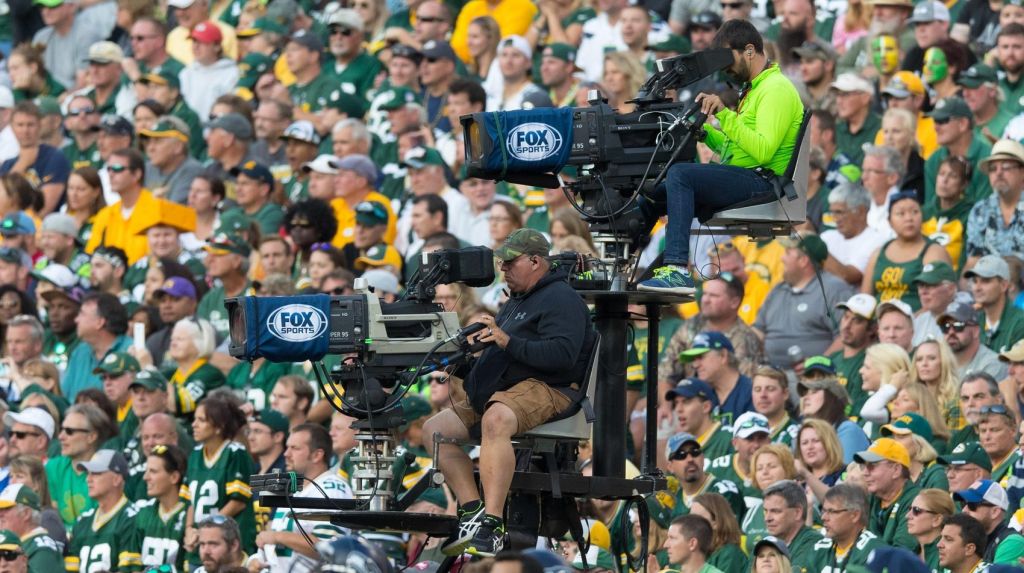
- Fox: The run of developments began Monday morning with company executive chair and CEO Lachlan Murdoch announcing during an earnings call that the network picked up rights to two additional NFL games. One of those will be a Week 10 international game from Munich, forming an unprecedented NFL tripleheader that day on the network, and a Week 15 Saturday contest. The full reality is somewhat more nuanced than that, though. One of these Fox games was pulled from inventory that the league is reselling in the wake of its complex equity deal with ESPN, while the other was converted from a prior Fox regional broadcast slot on a Sunday afternoon to a national one.
- NBC: Hours after Murdoch’s comments, the Comcast-owned network said it gained rights to a Week 17 game, helping form a powerful trio of games on its platforms during the next-to-last weekend of the regular season. This additional broadcast was also taken from the inventory that the NFL got back from ESPN.
- CBS: Late Monday, the Paramount-owned network said it also gained an additional exclusive national NFL primetime window, with that placement set for Sat., Dec. 19 at 8 p.m. ET. The teams involved have not yet been announced. Like part of the Fox situation, this new window represents a conversion of a prior regional Sunday afternoon broadcast slot.
The bottom line throughout all these developments is an increase in the league’s broadcast television exposure, and a further push by the league to create additional standalone windows across the 272-game regular season.
Political Realities
This, of course, is not happening by accident. The NFL has been under rising political and regulatory pressure across Washington, D.C., in recent months amid the league’s growing embrace of streamers such as Netflix, YouTube, and Amazon.
There are at least four different points of legislative and regulatory pressure on the NFL, including an investigation by the U.S. Department of Justice. While that probe is not expected to produce any charges against the NFL, U.S. President Donald Trump has been openly critical of the league’s approach.
“It’s tough,” Trump said during an interview on Full Measure that aired Sunday. “You got people that love football. They’re great people. They don’t make enough money to go and pay this. It’s tough. And they could be killing the golden goose.”
Netflix is also expected to be a key player for part of the NFL’s resold inventory. The company’s upfront presentation is set for Wednesday, with NFL-related news expected there.
Meanwhile, the NFL has consistently argued that its commitment to broadcast television is unwavering, as shown in part by 87% of its games being broadcast on free television—a figure that rises to 100% in the competing teams’ home markets in each contest.
“I’m not sure there’s a single content owner, league, or otherwise that’s done more to support broadcast television than what we do,” NFL EVP of media distribution Hans Schroeder said recently. “We’re very committed to broadcast. We always have been, and continue to be. It’s a tremendous way to reach fans, and our focus is on reach.”
Additionally, the league contends that many streamers have far greater reach than some cable outlets that are in long-term decline.