SOUTHAMPTON, N.Y. — The disruption LIV Golf has brought to the professional game, and how the sport will look because of it in the future, continues to be the biggest looming question as the major championship season continues.
This week, the golf world will congregate in Philadelphia for the PGA Championship. But last week, all eyes were on the U.S. Open, which hosted a media day at Shinnecock Hills Golf Club ahead of the course hosting the 126th edition of the national championship June 18–21.
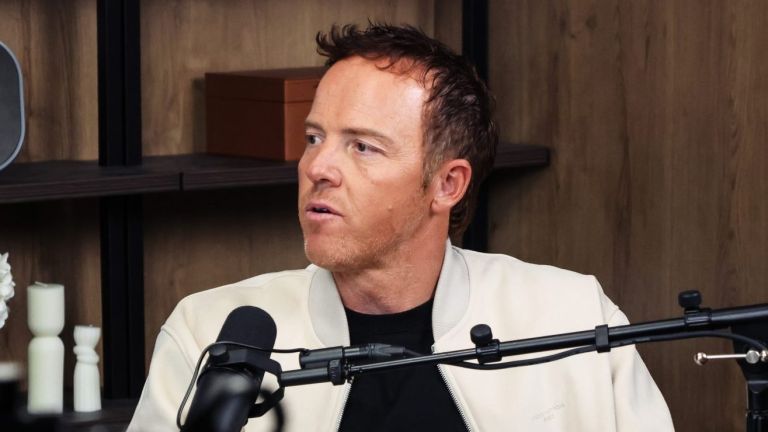
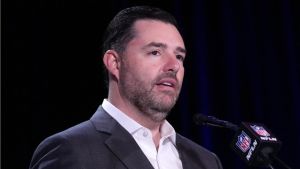
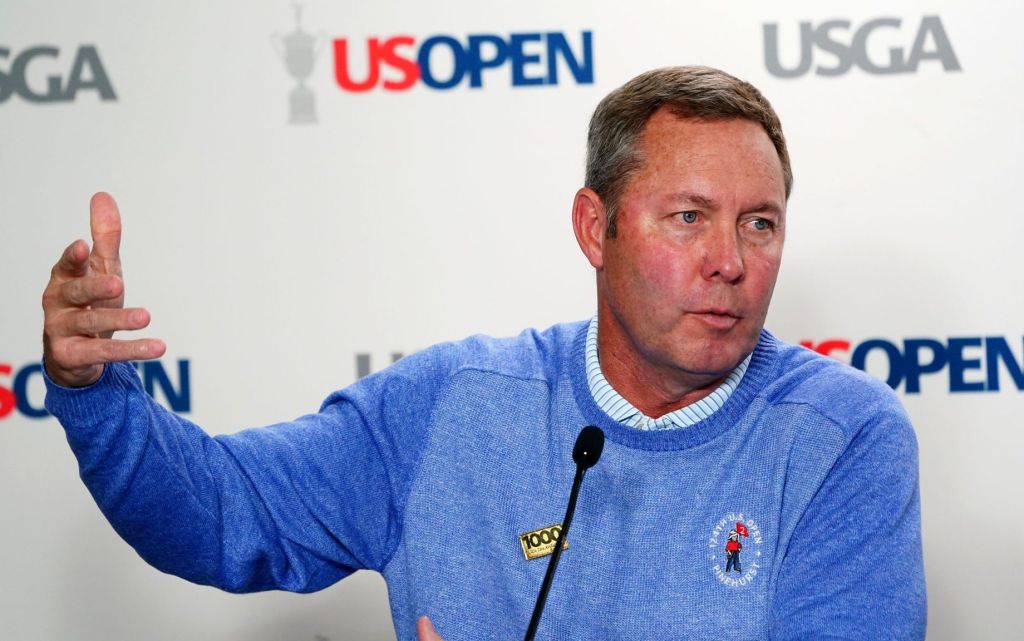
Front Office Sports caught up with USGA CEO Mike Whan, who opened up about LIV’s impact on golf, the sport’s shifting leadership landscape, and more. Some quotes have been lightly edited for brevity and clarity.
FOS: How do you grade LIV Golf’s U.S. Open exemptions that began last year? (The highest-ranked player, not otherwise qualified, inside the top 3 of LIV’s individual standings at the end of the 2025 season and as of May 18, 2026, earns exemptions into this year’s tournament.)
Whan: LIV has got an incredible amount of talent there. We wanted to make sure that we didn’t miss some of that talent. I’ve really been both impressed and pleased to see how many LIV players play in our qualifier each year and will again. If somebody goes out there and is beating champions that are already qualified here on a regular basis, we wanted to make sure we captured that. So, when we said, ‘Let’s take a look at who the top player is, and then we’ll actually even take that down to top three, if there aren’t any otherwise qualified,’ that felt right, still feels right. What happens to LIV in the future? We look at our exemptions and our road to the U.S. Open every year. We’ll see what LIV looks like in a couple years and make the same decision we made a couple years ago.
FOS: How are golf’s leaders managing so much turnover with relatively new CEOs at the PGA Tour, PGA of America, R&A, and LIV Golf?
Whan: When I walked in as the commissioner of the LPGA in 2010, I remember looking around the room and thinking, ‘These are all the old guys that people have talked about.’ And now, I’m probably that old guy, and virtually everybody’s changed that room since 2010 when I first walked in, and even since I got to the USGA, I think everybody’s changed in terms other than Augusta National chairman Fred Ridley and executive director Will Jones. So, it keeps me fresh. I want to make sure I’m not the old guy holding us back for new ideas. But how often do we talk? Virtually all the time, as you can imagine. The business is just too interrelated, and it’s been fun kind of getting to watch it through some of the new eyes, like PGA of America CEO Terry Clark and PGA Tour CEO Brian Rolapp, and they come in with the same kind of perspective I probably came in with 15 years ago.
FOS: How does golf deal with Tiger Woods and Phil Mickelson’s presence in the professional game diminishing?
Whan: I was commissioner of the LPGA for 12 years, and when you’re in that moment, I know that those athletes—and sometimes even their commissioner—can feel like, ‘How are we ever going to get past Lorena Ochoa?’ Before me, they were probably saying, ‘How are we going to get past Annika Sorenstam or Nancy Lopez?’ Athletes step up, and now we’re talking about Nelly Korda’s run or Jeeno Thitikul. It just happens. So, when you say no Tiger or Phil, I’ll never think about the 2026 Masters as that. I’ll think about it as the year that Rory threw a back-to-back on us. That’s what happens in sports. The next big ones step up, and the big ones are stepping up in the men’s and women’s game as well.
FOS: Are you still pleased with the media-rights extension the USGA reached last year with NBC and Versant?
Whan: I didn’t say it too publicly, but my hope was to keep the band together. I really like what NBC and the Golf Channel does in terms of not just the U.S Open, not just the women’s open, but how they support our championships—how they make the U.S. Amateur a big deal, the women’s amateur, the Curtis Cup, the Walker Cup. I wasn’t sure that every TV partner would think about golf. I knew they liked our big events, and there were a lot of people bidding on our big events, but I wanted to make sure we were with a partner that was going to raise the game. I really think one of the things we’re riding right now, on this high, is because we celebrate all kinds of golf. We celebrate the greatest in juniors and seniors and adaptive. That’s what I like about our deal, it keeps the band together, and I know that band is committed to more than just the U.S. Open.