
Max Kellerman, LeSean McCoy Off DAZN Boxing Show As Mario Lopez Joins
Want more from Front Office Sports
in your search results?
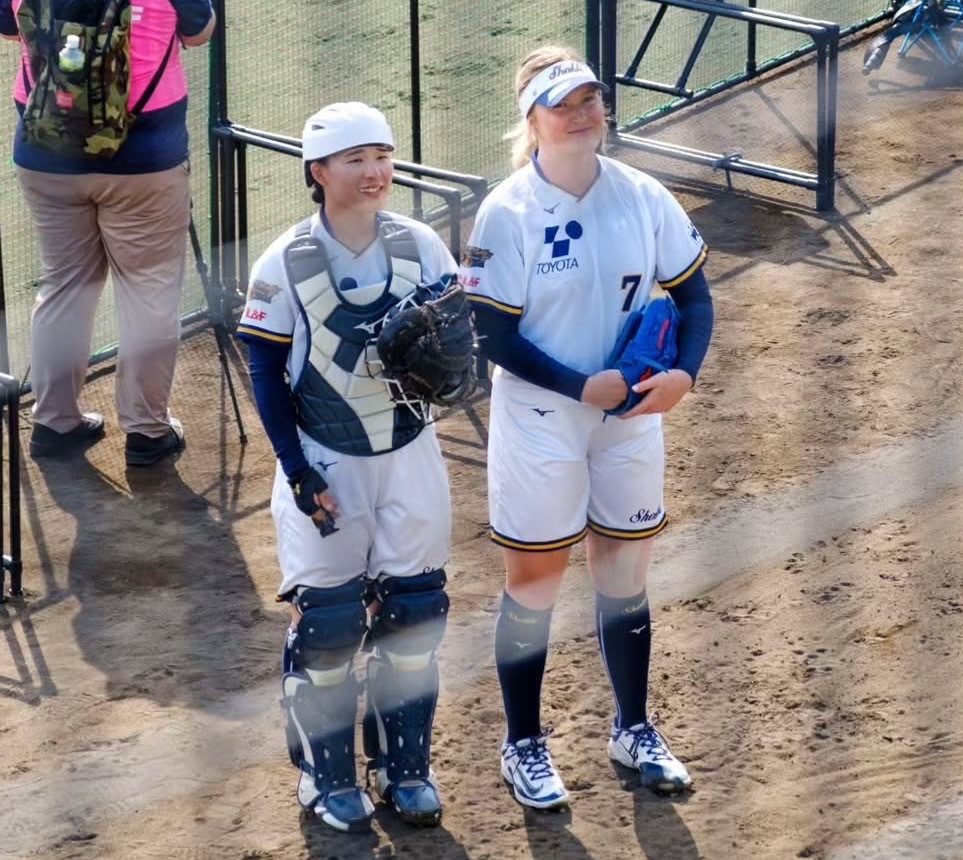
A teal bike with a basket for groceries is Kelly Maxwell’s new mode of transportation. Typically, the former Oklahoma softball star would prefer a car. But in Kariya, Japan—a small suburb of Nagoya—everyone drives on the opposite side of the road that she’s used to, and she hasn’t quite mastered the change.
The U.S. and Japan are currently No. 1 and No. 2, respectively, in the women’s softball world ranking, which was last updated in July. But in the business of softball, there may be nowhere more lucrative to play than Japan’s Diamond League.
That’s why Maxwell packed her bags and made the nearly 7,000-mile move across the Pacific. She’s now in the spring leg of her first season in the JDL, where the season is eight months long, with the first half being played from August to November and the second half from March to June. Maxwell, who graduated from Oklahoma in 2024, plans to begin veterinary school in the fall—and the money in Japan was a huge factor in her decision.
“It’s probably double anything in the States,” the left-handed pitcher for the Toyota Industries Shining Vega, tells Front Office Sports. “I knew I had this gap year between graduating and beginning veterinary school. I was like, Wow, what a great opportunity to put money in my pocket to help pay for school and not have to rely on loans and being in debt when I’m out.”
Maxwell declined to give her full salary but said she makes six figures playing in the JDL. For more than two decades, players like her have supplemented their pro seasons with U.S. leagues by going to Japan.
Not only are most players like Maxwell making more than double the salaries offered by American leagues, but multiple players also tell FOS that the substantially higher compensation is luring the best players abroad, creating an enhanced level of skill and better atmosphere for competition. Events are often sold out, with raucous crowds enjoying the games with an uninterrupted stream of Japanese pop music broadcast throughout stadiums—even during play.
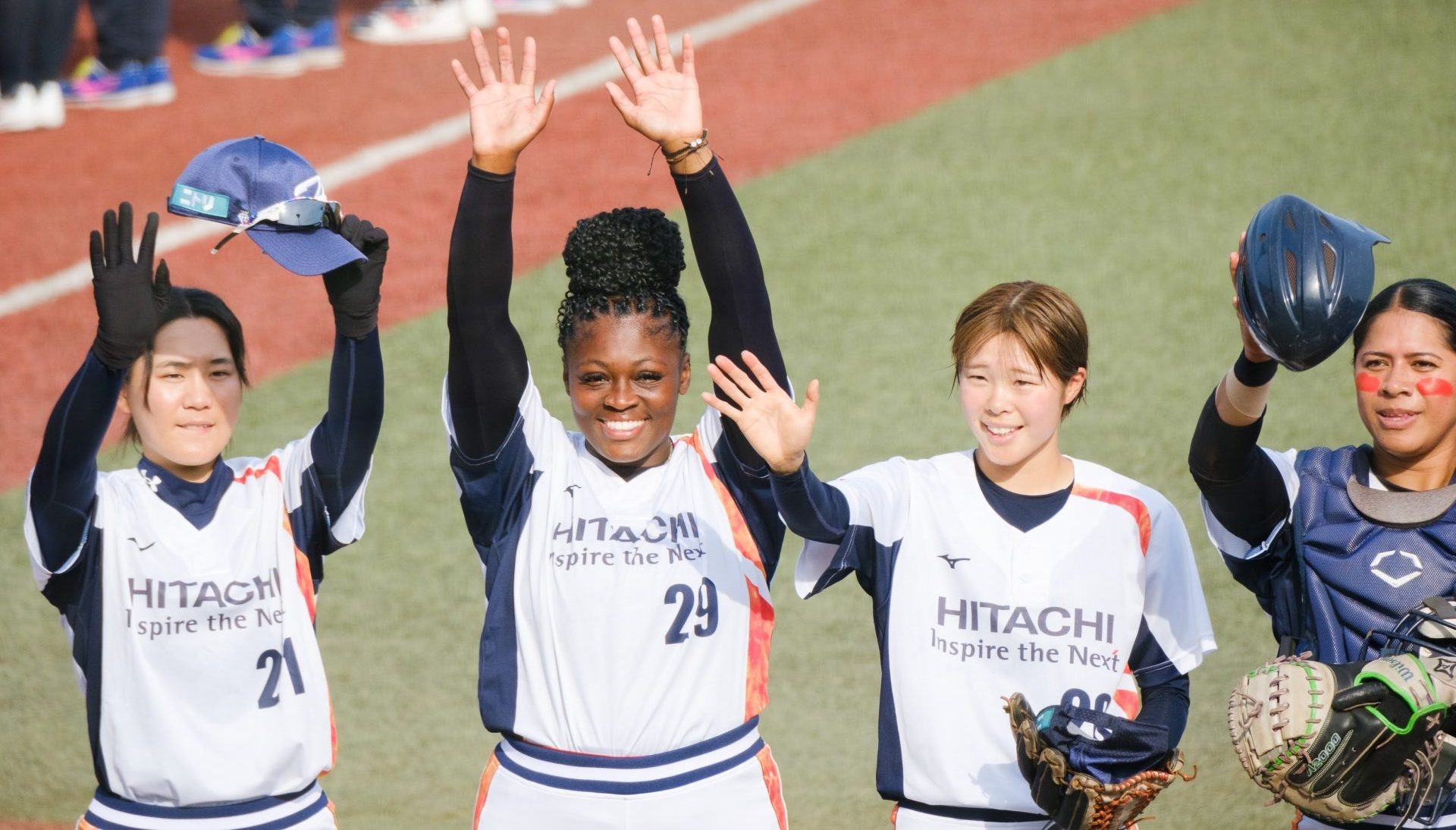
Former South Carolina pitcher Donnie Gobourne, who now plays for the Hitachi Sundiva, says the amenities for pro softball players are a major factor in drawing the sport’s best players to Japan. On top of her six-figure salary—pitchers are often the highest-paid players, both in the U.S. and Japan—she enjoys private living and a chef who cooks three meals a day, minus off-days.
“They value softball a lot here,” says Gobourne. “I’m not going to say they don’t value it in America, because obviously we do. I can just say it’s entirely different.”
Opportunities to play pro softball in the U.S. have existed off and on for years.
One of the sport’s earliest professional leagues in the U.S.—the International Women’s Professional Softball Association—arrived in 1976; it lasted just three years before its dissolution. The Women’s Pro Softball League—founded in 1997 on the heels of the sport’s first Olympic appearance in 1996—folded in 2001. National Pro Fastpitch was formed three years later and played its final season in 2019 following the cancellation of two seasons (2020 and 2021) due to the COVID-19 pandemic. Players were paid, but it was far from a livable wage, according to multiple former players in the NPF. Many supplemented their incomes with offseason coaching jobs and clinics.
In 2020, Athletes Unlimited launched its inaugural season of AU Pro Softball, now the All-Star Cup. Women’s Pro Fastpitch was formed a year later and began play in 2023. In June, Athletes Unlimited will launch another iteration of professional softball, AUSL, which will feature four teams with a traditional-format 24-game schedule.
No league has existed longer than 15 years in the game’s modern era. And what all these leagues have failed to do is crack the code for mainstreaming professional softball—and subsequently enable players to earn meaningful professional-athlete salaries.
Athletes Unlimited offers softball players the most lucrative base salary in the U.S., with average player compensation at $40,000 per season. AUSL players will also receive year-round health benefits, which is a first for professional softball players in the U.S.
But that package pales in comparison to what the JDL can offer its athletes.
That’s because Japan has cleared the biggest hurdle the U.S. has faced to turn softball into a major sport with professional salaries: It has invested in its leagues. American leagues are falling short, says USA Softball player Sam Fischer, because there’s a shortage of capital flowing into the sport. “The main answer is always going to be money,” she says. “People have to be willing to spend money and likely lose money in the beginning to get something off the ground.”
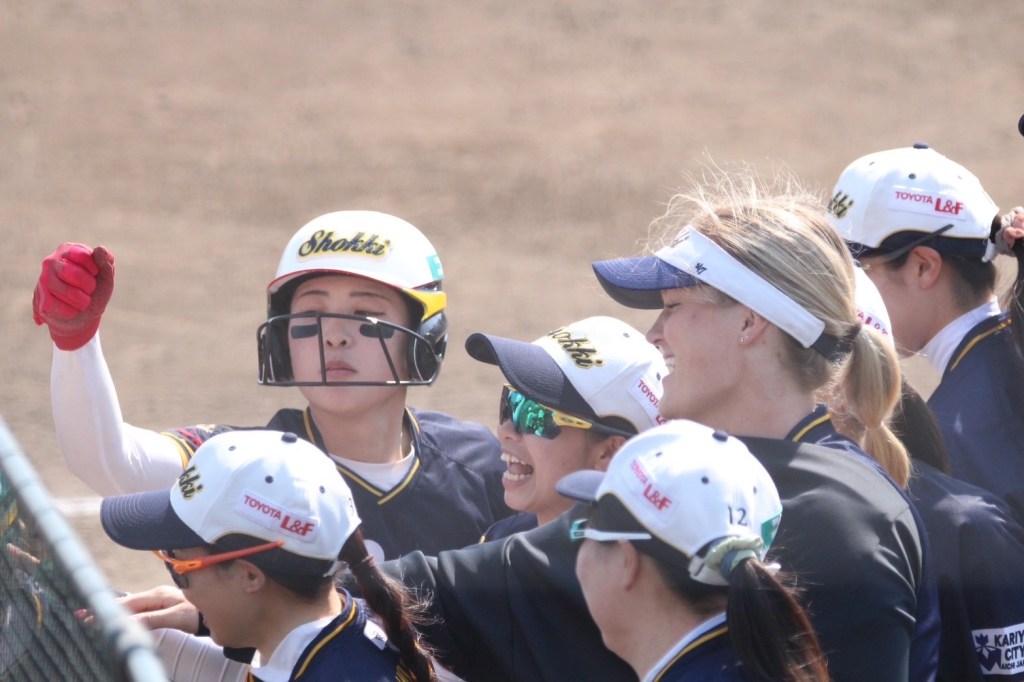
In Japan, however, ownership groups are investing in softball. Teams are owned and funded by some of the country’s leading companies. Toyota, Hitachi, and Honda all own teams in the JDL, which rebranded from its predecessor, Japan Women’s Softball League, in 2022. The Japanese players on every roster are paid as employees of the company that owns the team they’re playing for. This allows international players like Maxwell and Gobourne to earn higher salaries.
“American players sign one-year contracts,” says Mayumi Murakami, VP of Women’s Major League Softball, an agency specializing in helping international players sign with Japanese pro softball teams. “They can make a lot more money than Japanese players because they are guaranteed lifetime careers and salaries with the company that owns the team.”
Signing with the JDL comes with a lifetime employment contract with the team’s ownership company. The hours players work for the company vary. Some players work company hours only during the offseason while others juggle both, practicing after work.
Murakami played one season in NPF in 2005 with the Texas Thunder. Her U.S. pro salary was more of a stipend: about $3,000, she estimates, over the course of a four-month season, which lasted from June to September. She adds players weren’t always paid on time, and recalls teammates having to call parents to send them money for dinner. She says the league also lacked overall professionalism—which Murakami understood considering the meager pay.
“[In the U.S.], I wasn’t playing for the money,” says Murakami, who played seven seasons for Toyota’s team, in the Japan Women’s Softball League, beginning in 1992. “I played in Japan to make money.”
In Japan, softball is one of the premier women’s sports; from a young age, players commit to training and development because of the lifetime-employment incentive.
“They breed monsters out there,” AUSL pitcher Aleshia Ocasio tells FOS. “They just take it so seriously. They’re practicing for five hours a day or more. To put it into perspective, I would get to practice late and leave early.”
Ocasio played two months in Japan in 2019 and made more than she would in a full season in the NPF. The following year she signed a JDL contract valued at $90,000, but she didn’t end up cashing in after missing the season due to the COVID-19 pandemic.
For the first time since 2021, softball will return to the Olympics in 2028. At the Los Angeles Games, Japan will be the biggest threat to the U.S.’s pursuit of gold. But until then, the country is still luring the best professional talent while the American pro leagues are playing catchup.
“A lot of players, if they have the opportunity to play in Japan, they would jump on it immediately,” Gobourne says. “I also think they’re still prioritizing what’s going on in the States, too, and trying to make softball as big as it is in Japan in America.”
Download the FOS App
The business of sports, in your pocket.



Scan the QR code to get the app now.