Want more from Front Office Sports
in your search results?
After a week of negotiations, the Senate adjourned Thursday without getting any closer to a vote on a college sports bill.
The Big Ten and SEC blew several deadlines imposed by senators Wednesday and Thursday for a decision on supporting the Trump-backed Protect College Sports Act. Without a clear view from the conferences, Majority Leader John Thune did not file for cloture—the next step in getting the bill to a floor vote next week.
A White House official told Front Office Sports on Thursday that President Donald Trump “wants the bill done.” But it faces very little chance of reaching a Senate floor vote before the August recess.
It isn’t dead yet: If the conferences get on board over the weekend, Thune could file for cloture Monday, and have a vote later in the week. Otherwise, it’s unlikely the bill passes this year.
For six years, the NCAA and Power 4 conferences have lobbied together in lockstep. But since the PCSA was introduced in May, the organizations have split. While the NCAA, ACC, and Big 12 supported the bill, the Big Ten and SEC came out against it.
NCAA president Charlie Baker released a statement Thursday evening urging college sports leaders and senators to support the bill, calling it “the legislation we need now” while also acknowledging “no bill is perfect.”
Through weeks of letters and public comments, the Big Ten and SEC expressed a laundry list of concerns.
The two conferences criticized restrictions on revenue-sharing and third-party NIL deals, and argued the bill’s antitrust protections and provision to override state laws didn’t go far enough. They raised concerns about a provision that they believed would allow more athlete lawsuits.
Finally, they had major issues with “Title II” of the bill: a provision that would prevent the Big Ten and SEC from merging to create a super league or expanding. They were against the concept of pooling media rights across FBS football and selling them together, and thus opposed the portion of the bill that would allow schools to do that.
The two conferences lobbied against the bill publicly, but engaged in talks privately with senators in June and July. Last week, it appeared the bill was on life support—but by Monday, conversations had made what sources described as progress.
Here are several key amendments proposed by senators to the Big Ten and SEC, according to public statements, documents obtained by FOS, and sources familiar with the legislation:
- Allowing an athlete salary cap of more than $40 million across all sports through the creation of a separate retention pool
- Preventing schools or companies considered “associated entities” from front-loading NIL or revenue-sharing deals before players left high school
- Letting the NCAA or another athletic association impose stricter tampering rules
- Barring any entity (i.e., a private-equity firm) from merging or acquiring power conference media rights to create a conference of its own
- Protecting conferences that decline to participate in media-rights pooling from being sued
- Letting power conferences expand up to 19 members
- Schools that made a certain amount of money were required to uphold a certain number of women’s and Olympic sports roster spots
- The language of the anti-merger provision was changed to apply to all four power conferences, not just the Big Ten and SEC
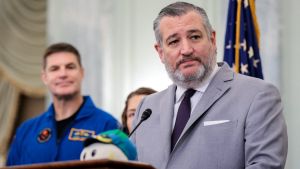
The final point of contention that continued into Thursday: whether the bill could be amended to fully prevent players from signing name, image, and likeness deals with “associated entities,” or sponsors of universities, to prevent revenue-sharing cap circumvention. In a post on X/Twitter on Thursday afternoon, Sen. Ted Cruz (R., Texas) said the bill does not do this but promised it does still impose a salary cap.
The Senate adjourned a couple of hours later.
Download the FOS App
The business of sports, in your pocket.



Scan the QR code to get the app now.