Want more from Front Office Sports
in your search results?
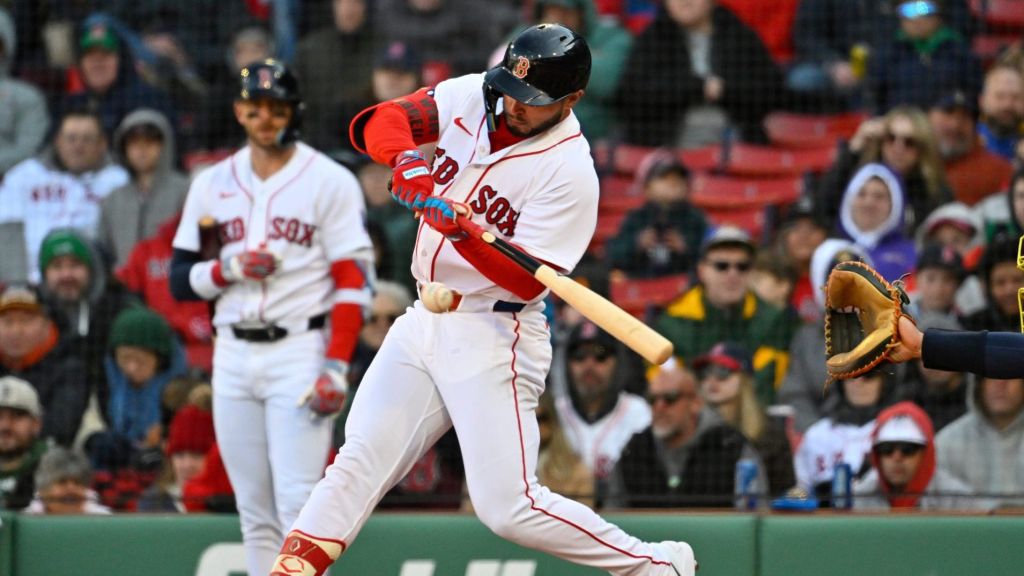
The Boston Red Sox say a lawsuit over “junk fees” charged for tickets must be dismissed or sent to arbitration, and the team argues that a ruling in a similar state court suit against the Washington Nationals—where arbitration was denied—should not be taken into consideration.
The Red Sox are one of three MLB teams that have recently been sued over allegations they charged hidden “junk fees” that illegally inflated ticket costs and weren’t disclosed until checkout. Separate lawsuits have taken aim at the Nationals and San Francisco Giants—all were filed within the last eight months.
The proposed class action against the Red Sox, filed in Massachusetts federal court Jan. 16, said that through “at least” the end of 2024, the team was charging $7 “order” fees that weren’t disclosed until checkout. The lawsuit says the proposed class features at least 100 consumers, and the team’s “false advertising has cost ticket purchasers millions of dollars in total.”
On Monday, the Red Sox asked the judge to either throw the case out or send it to arbitration, saying “plaintiffs were not deceived.”
In a memorandum supporting its request, the team says “two things are true” of each ticket purchase made by the plaintiffs: “First, before buying, each plaintiff knew the exact total price and paid only the disclosed amount. Second, each plaintiff affirmatively assented, by clicking a box marked ‘I agree to the following,’ to the Terms of Use for the Red Sox Website or MLB Ballpark App. Each of these facts are undisputed and dispositive.”
In addition, the filing says Fenway Sports Group—the company that owns the Red Sox which was also named in the suit—should be dropped as a defendant because it had “no role in any of the alleged injuries.”
The memorandum acknowledges a September ruling in a separate court that could be viewed as unfavorable for the Red Sox, saying the Massachusetts court “is not bound by, and should not follow” it. There, arbitration was denied in a case against the Nationals from the National Consumers League. The judge determined the Nationals could not compel arbitration because the NCL filed its lawsuit on behalf of consumers, as opposed to claiming the organization itself was harmed. The Nationals are appealing the ruling.
The Red Sox say the case against them is different, because it was filed by three individual people who purchased tickets. “Plaintiffs here sue on their own behalf, rendering the rationale of NCL inapplicable,” the memorandum says.
A representative for the plaintiffs in the case did not immediately respond to a request for comment. A representative for the Red Sox previously told FOS “while we don’t comment on pending litigation, we have always complied with applicable state and federal laws.”
The Giants were sued in California federal court 10 days after the case against the Red Sox was filed. In the Giants lawsuit, the team and the fans who sued it asked the court on Monday to allow for an amended complaint, which would give the plaintiffs the ability to tweak their allegations while extending the timeline for the Giants to respond.
On Sept. 5, a fan sued the Nationals in Washington, D.C., federal court. The following month, the NCL asked the court to allow it to intervene as a plaintiff, calling it a “copycat” of a lawsuit the organization filed against the team in state court in July 2024.
The lawsuits all allege violations of consumer protection laws that are already on the books but aren’t being properly enforced, Alex Jacquez, chief of policy and advocacy at D.C. economic think tank the Groundwork Collaborative, told FOS in January.
“Violations are rampant,” said Jacquez, who previously worked at the National Economic Council in the Biden Administration. “It’s hard to pin these guys down if they don’t believe there will be any ramifications on the back end.”
Download the FOS App
The business of sports, in your pocket.



Scan the QR code to get the app now.