Want more from Front Office Sports
in your search results?
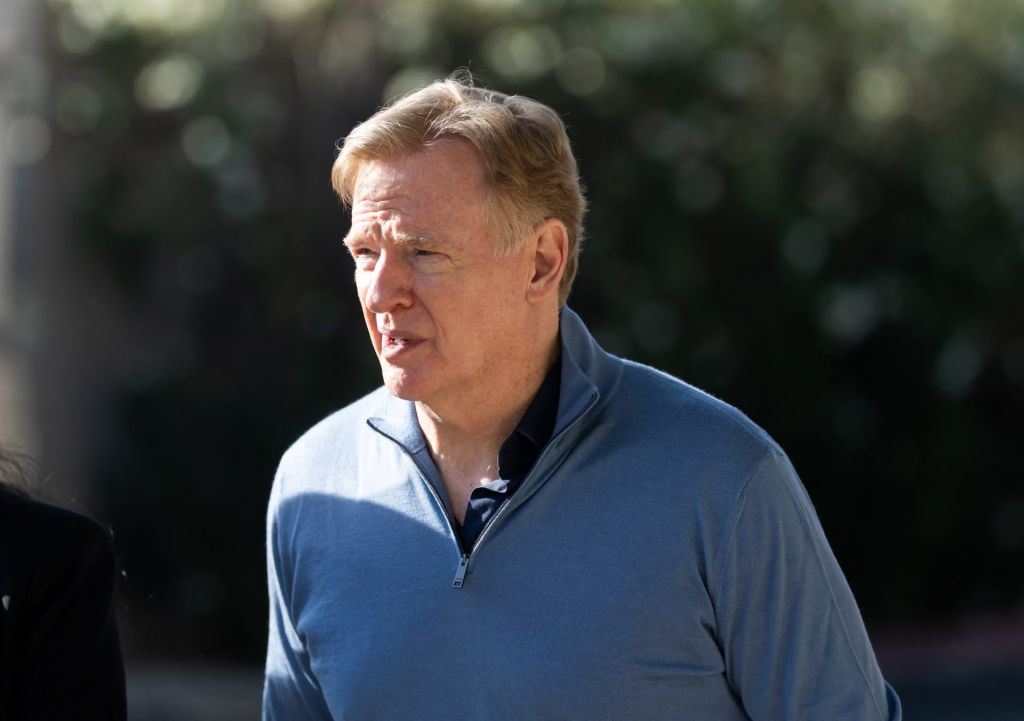
The NFL declined an invitation for commissioner Roger Goodell to testify before Congress, marking the league’s latest move as it navigates rising political and regulatory pressure about its media policies.
The U.S. House of Representatives Judiciary Committee, led by Rep. Jim Jordan (R., Ohio) sought to bring in Goodell for a June 10 hearing in Washington to examine the NFL’s television deals and compliance with the Sports Broadcasting Act of 1961. The league, however, turned that down, citing “ongoing litigation related to the topic of the hearing” in a reply letter to Jordan.
“We have been working with your staff since September 2025 and respectfully believe we have answered the questions presented to the league over the past several months,” wrote NFL EVP and general counsel Ted Ullyot.
Similar to the league’s dialogue with other members of Congress and regulatory agencies such as the Federal Communications Commission, the league is again touting its ongoing presence on broadcast television.
Ullyot detailed a planned exposure of 87% of its games in the upcoming 2026 schedule on broadcast television. That percentage has stayed flat for the past five years, and is down from 88% as far back as 2013. The figure also remains at 100% for the home markets of the competing teams in each game.
“As technologies have presented new ways to distribute video content, viewing habits have changed, and we have adjusted our approach, but to be clear, this has not come at the expense of our dedication to broadcast television,” Ullyot’s letter from Wednesday reads.
That sentiment also echoes what Goodell said last month at the league’s spring meeting in Orlando, where he remarked, “We’re incredibly proud of our policies and they’ve been incredibly effective.”
Rising Scrutiny
Despite that stance, the heat continues to rise around the NFL on this topic. There are at least four major legislative and regulatory efforts unfolding in Washington, D.C., on the league’s media policies—including a U.S. Department of Justice investigation that’s not likely to yield any formal charges.
Fueling much of the scrutiny is the NFL’s increasing embrace of streamers such as Netflix, which will have an expanded, five-game rights package in 2026. That, in turn, has prompted other members of Congress such as Sen. Tammy Baldwin (D., Wisc.) to insist “enough is enough” as many fans navigate a greater number of platforms to watch games. Baldwin has proposed a bill that, among its core provisions, would require leagues to provide free, live access to games across the home states of each competing team.
The NFL, however, contends the pivot to streaming is necessary as cable television penetration across the U.S. continues to plummet.
“The takeaway is clear: the NFL’s decision to license a few more games to widely adopted streaming services is simply a reflection that those platforms now offer significantly more reach than the current pay-TV ecosystem, and that broadcast television remains the foundation of our media distribution,” Ullyot wrote.
The NFL also included in its reply to Jordan a letter from April, signed by 21 members of Congress, that “proposed changes or repeal of the [Sports Broadcasting Act] would create unnecessary uncertainty and confusion for NFL fans and consumers.”
Download the FOS App
The business of sports, in your pocket.



Scan the QR code to get the app now.