
Max Kellerman, LeSean McCoy Off DAZN Boxing Show As Mario Lopez Joins
Want more from Front Office Sports
in your search results?
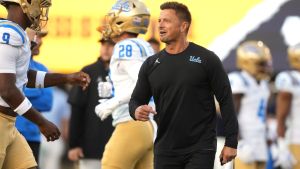
At the conclusion of Week 3, Virginia Tech decided to fire head coach Brent Pry. UCLA canned DeShaun Foster. They were the first of more than a half-dozen power-conference football coaches to lose their jobs so far this season.
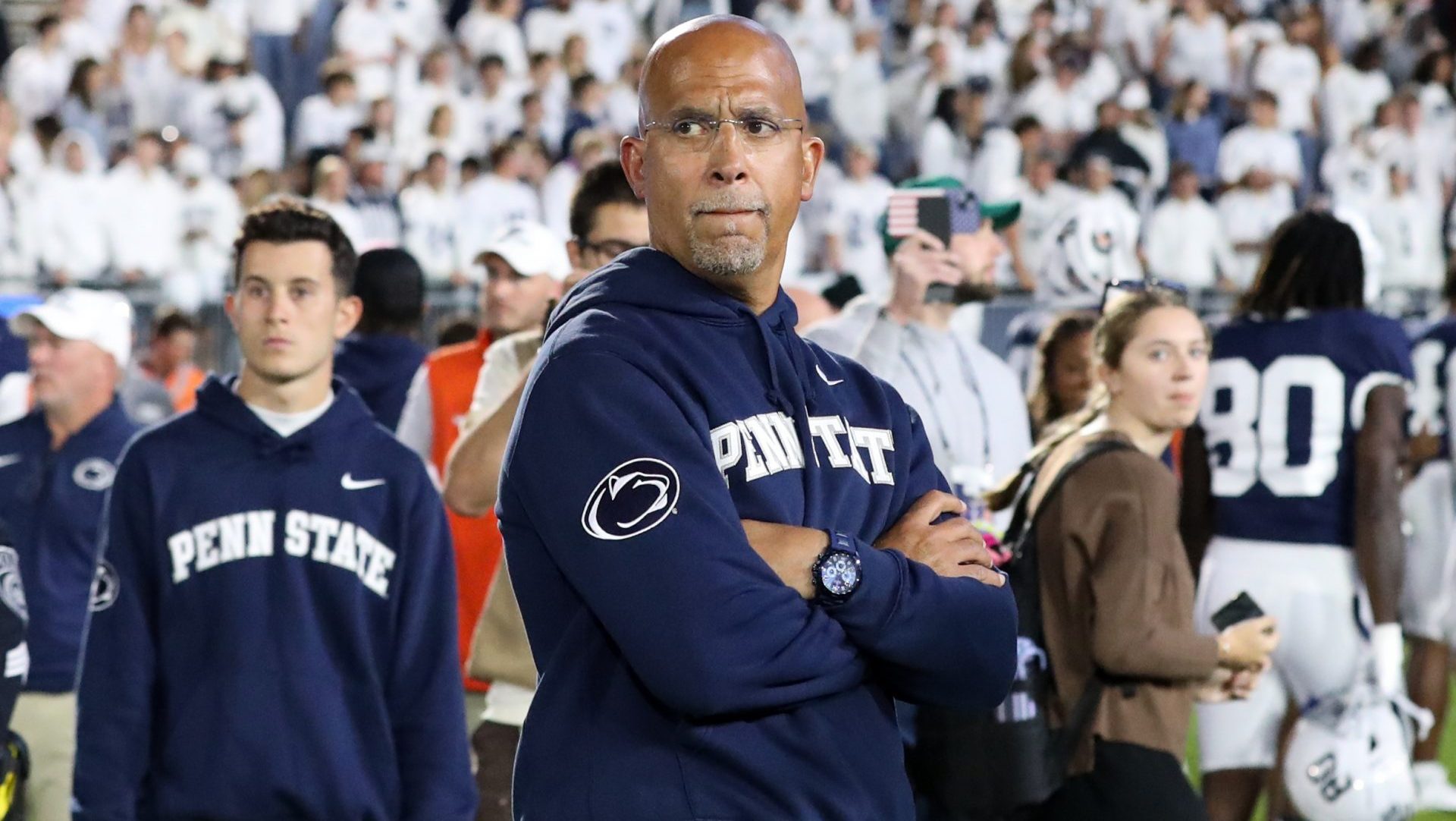
Since then, college football has seen another spin of the coaching carousel, which included Penn State’s James Franklin and LSU’s Brian Kelly. Top programs are firing coaches left and right—and paying tens of millions in coaching buyouts to do so.
Through Week 9, schools owe their former coaches nearly $170 million in buyouts.
The Contracts
A “buyout” as we know it in colloquial terms usually refers to the liquidated damages stipulated in a coach’s contract if they are fired “without cause”—or, in other words, because they’re losing.
Buyouts vary broadly. UCLA coach Foster was owed only about $6 million for being fired earlier this season, for example. Former Texas A&M coach Jimbo Fisher, on the other hand, was owed more than $75 million. It’s the biggest buyout in college football history.
Especially with larger buyouts, a coach will usually be owed a portion of their future contract earnings, including their base salary and guaranteed supplementary income.
Penn State’s Franklin, for example, has a buyout somewhere between $48 million and $50 million. It includes his annual base salary of $500,000 per year, additional compensation of $6.5 million per year, and life insurance policy coverage of $1 million per year between now and the end of the 2031 season, when his deal would have expired, according to the contract. That amounts to about $48 million. He’s also owed the rest of that money for this year, bringing the total number to somewhere between $48 million and $50 million.
The Loopholes
The gargantuan numbers aren’t always what they seem. There are several clauses that can save schools millions, especially if coaches get new jobs.
In many cases, coaching contracts include “duty to mitigate” and “offset” clauses, meaning that coaches are required to look for a new job in high-profile coaching or media; once they receive that new job, the school will only owe them the difference between their new salary and their buyout. The contracts for Franklin and LSU’s Kelly included these clauses, for example, while Fisher’s and Florida’s Billy Napier did not.
The timing of the payouts could also determine how much a coach actually makes. Sometimes, coaches are owed a lump sum of a large portion of the buyout within a short period of time. But in other cases, the buyout is paid out in shorter, longer installments. So, even though Kelly is owed about $53 million, his contract says he’ll be paid in equal monthly installments, meaning he can expect only about $800,000 per month going forward.
As a result of these clauses, schools and coaches will often negotiate a smaller total buyout paid out over a shorter period of time. LSU has said, for example, that it is having conversations with Kelly about a separation agreement.
The Decision-Makers
Athletic directors are tasked with making the final decision for a coaching firing, but they aren’t the only ones. University presidents, board members, donors, and boosters—especially those who might be tasked with funding some of the buyout money—may all have a say depending on the school.
In LSU’s case, for example, Louisiana Gov. Jeff Landry confirmed he had direct involvement in the decision, holding a meeting at the governor’s mansion to discuss issues related to the firing. Landry has appointed six of the fourteen members of LSU’s Board of Supervisors and will appoint four more next year. But his influence is even bigger now, given LSU currently doesn’t have a permanent university president—so he’s taken on a larger role in making university decisions. As for the next football coach, Landry told reporters this week the Board of Supervisors will make that decision.
The Funders
Buyout funds don’t come directly from the university side. Schools often solicit donors and boosters to cover the costs of buyouts, especially when a large chunk of the payout is due in a short period. Usually, buyouts are funded by a combination of athletic department revenues and donations.
At Texas A&M, Fisher’s buyout was paid through a combination of money the athletic department sourced and money from The 12th Man Foundation, the university’s fundraising arm. In the case of LSU, one donor will be paying the majority of Kelly’s buyout, according to a report from New Orleans local outlet WDSU. (An athletic department official declined to confirm or deny the report when reached by Front Office Sports.)
Sometimes, schools fire coaches without knowing how they’ll cover these payments. When Penn State fired Franklin, the school hadn’t quite figured out the funding breakdown, a source previously told FOS, although AD Pat Kraft confirmed all of Franklin’s buyout would be paid by the athletics side of the university.
The Detractors
Not everyone is a fan of athletic departments paying tens of millions of dollars to fund these buyouts.
Earlier this week, Gov. Landry lambasted the concept—issuing criticisms so sharp that they ended with the exit of Woodward.
Also, Rep. Michael Baumgartner (R., Wash.) introduced a bill attempting to curb buyouts called the “COACH Act.” The proposed bill would give a limited antitrust exemption to public schools to limit coaching compensation, including buyouts. A previous court decision striking down caps on assistant coaching salaries deemed coaching salary maximums illegal, but this bill attempts to maneuver around that.
“College sports are highly subsidized public goods,” Baumgartner said, “not a professional enterprise.”
Download the FOS App
The business of sports, in your pocket.



Scan the QR code to get the app now.