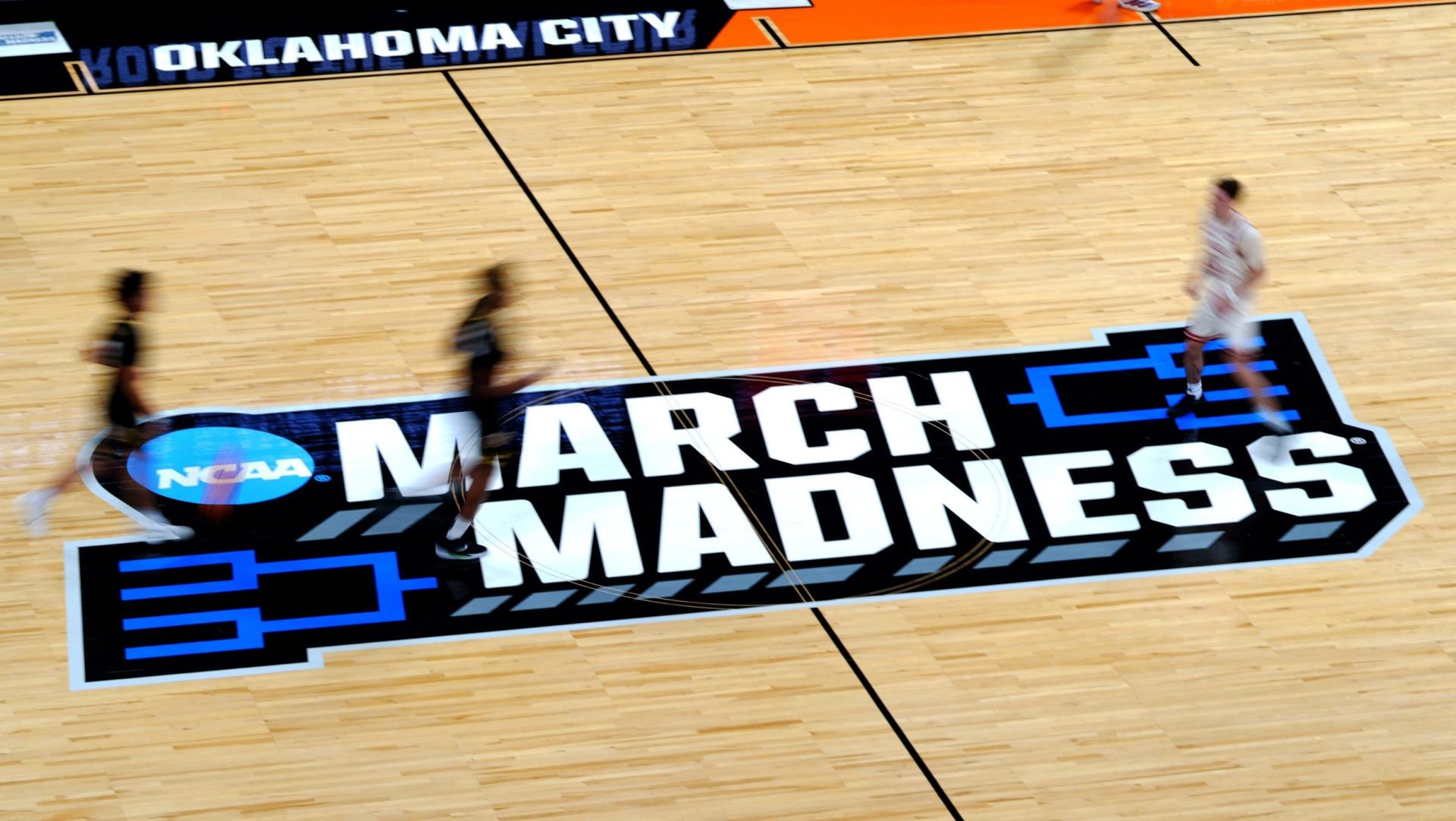
Coinbase has been prompting users to “trade the madness” this March, leaning heavily into promoting its prediction-market platform. But users on social media have complained about how much the company is encouraging users to trade on college sports on the app, and how many push notifications it has sent about specific games.
Coinbase, which launched prediction markets in December through a deal with Kalshi, has been widely promoting its college sports offerings amid March Madness. The company has purposely avoided using that exact phrase, which is a registered trademark of the NCAA. The NCAA has made clear it will take action against any company that uses its registered marks, and late on Friday sued DraftKings in federal court over alleged trademark infringement.
When it comes to promoting sports contracts, Coinbase CEO Brian Armstrong said on Sunday the company would consider making changes.
Armstrong’s statement followed criticism from Alexander Leishman, the founder of River—a platform for buying and selling bitcoin—who posted on social media that the message Coinbase is delivering to users is that “financial speculation and gambling is the way out of a dreary life when, in fact, for 99% of people it will only make their life worse.”
John Palmer, who works for design company Area Technology and crypto app PartyDAO, reposted Leishman and said “this is incredibly annoying.”
“I don’t understand pushing this on users who trust coinbase to hold their stablecoin and crypto balances,” Palmer wrote. “This is essentially encouraging me to gamble. What does that say about the internal philosophy around money management? Can I trust the yield sources on USDC interest, can I trust internal risk management, etc.”
Armstrong responded that “it’s a fair point, let us make sure this is tuned correctly.” He noted the company can “probably provide some customization options” with regard to push notifications and said “thanks for the feedback.”
On Monday, Leishman issued a similar complaint about Robinhood, saying “I just opened Robinhood and again had sports betting shoved in my face. Finance apps pushing this stuff are making a mistake.”
In a longer post, he asked founders to “go back to your original mission statements. Make finance easier and more useful for people. Provide long-term value to your users instead of pushing short-term predatory products. Maximize shareholder value for the years ahead, not next quarter’s earnings call.”
A representative for Robinhood did not immediately respond to a request for comment. The company does allow users to opt-out of notifications about sports and hide sports-related event contracts altogether so they won’t see those markets in the app.
In November, JB Mackenzie, VP and GM of futures and international at Robinhood, told Front Office Sports that while sports has taken the lion’s share of the attention with regard to prediction markets, the industry is here to stay with or without sports.
“If you think of everything as a fire, I feel as though the core wood at the bottom—that just burns continuously—that’s the various economic questions, like will there be a federal rate cut, price volatility, economic numbers both domestically and internationally, etcetera,” Mackenzie told FOS then.


![[Subscription Customers Only] Jun 18, 2025; Philadelphia, Pennsylvania, USA; Fan with a Morocco flag inside the stadium before a group stage match of the 2025 FIFA Club World Cup at Lincoln Financial Field.](https://frontofficesports.com/wp-content/uploads/2026/03/USATSI_26482439_168420755_lowres-scaled-e1773852693149.jpg?quality=100&w=1024)