Want more from Front Office Sports
in your search results?
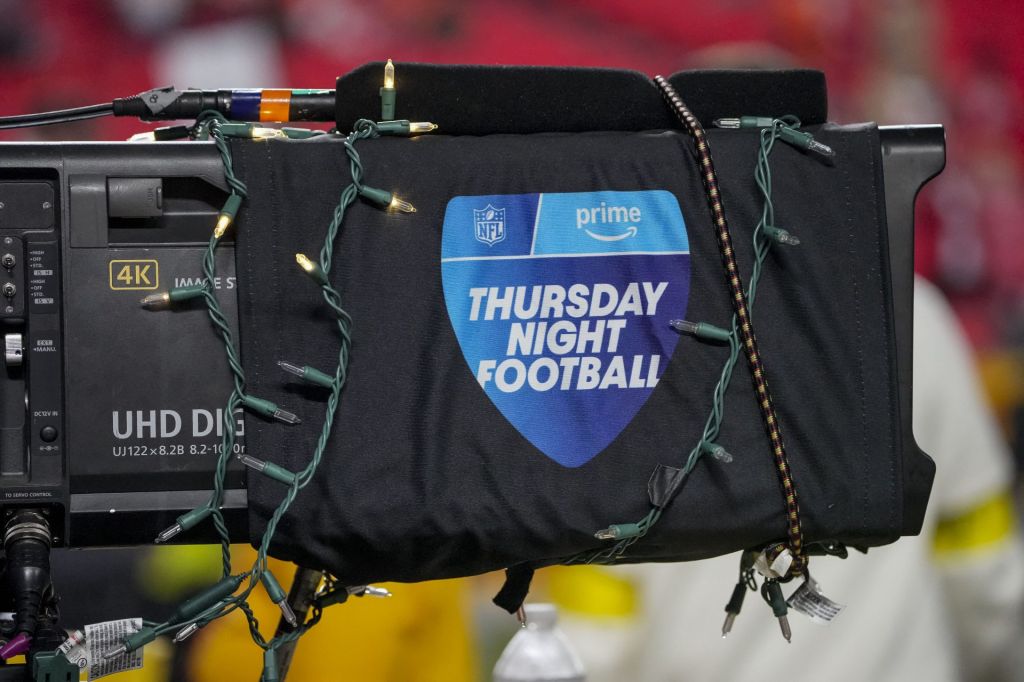
Thursday night’s NFL game between the Lions and Bills, marking the opening of Buffalo’s new Highmark Stadium, is a key part of the new season’s first month and begins a league facility boom that will extend well into the 2030s.
It’s also the type of game that historically would not have been aired on Amazon.
The online retail and streaming giant, however, will carry the Lions-Bills clash between the two Super Bowl LXI contenders to begin the 2026 Thursday Night Football schedule and shows just how far Amazon has gone as an NFL broadcaster.
In the midst of a banner 2025 across the NFL for viewership, Amazon Prime Video grew its TNF audience last year by 16% to a per-game average of 15.3 million viewers, representing the highest percentage growth of any full-season league rights holder. It was also the highest audience level in the 20-year history of TNF on any network.
Since Amazon began its exclusive TNF coverage in 2022, viewership has grown by 60%, and the median viewer age of 49.4 remains nearly seven years younger than the comparable figure for linear NFL audiences.
That resulted in a situation where Amazon received the high-profile opening game for Highmark Stadium, marking the 10th venue debut called by play-by-play announcer Al Michaels across his career. Amazon’s 2026 NFL slate then features all 14 playoff teams from 2025, a trio of high-profile holiday games on Black Friday, Christmas Eve, and New Year’s Eve, and a wild-card playoff game.
“Across the board, what you’ve seen with Thursday Night Football is a general raising of the floor in terms of what the quality of the games are, week in and week out,” Amazon Prime Video head of sports partnerships Charlie Neiman tells Front Office Sports. “We always have a few monster games, and holidays are really big for us this year, but I’m most satisfied with the trajectory of an average game on a Thursday night.”
NFL VP of broadcasting planning Mike North, who annually grapples with competing requests from every rights holder, said the slates for Amazon and other broadcasters are a result of the league’s intensely analytical approach to scheduling.
“The flexibility that we secured in the last round [of rights deals] has changed this entire process,” North said after the schedule release in May. “The ability to build the schedules that we can now, it’s very data-driven. But the core principles are the same. It’s still about the biggest games in the biggest windows.”
Streaming Debate
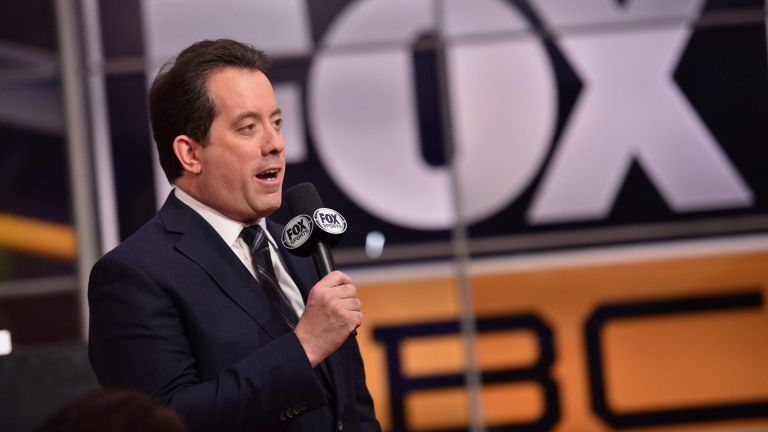
Amazon’s return to NFL coverage for the new season also is happening amid rising tensions around the league’s continued embrace of streaming. Regulators and politicians in Washington have already escalated their scrutiny of the league, and most recently, Fox Sports president of insights and analytics Mike Mulvihill highlighted the league’s still-superior viewership on linear television.
“It’s not the first inning anymore,” Mulvihill said earlier this week in a social media post. “Putting sports exclusively on streaming has failed. [It] alienates longtime fans without reaching new ones.”
Mulvihill’s comments were primarily in the context of Netflix, which has expanded its NFL rights this year, and saw flat viewership for a Week 1 game last week from Australia. Amazon, meanwhile, points to ongoing viewership growth in not only its live games but also in its pre- and post-game coverage.
“I’ve been [at Amazon] for a decade, and I remember being in rooms with leagues and [they were] worrying about whether a streamer could handle 1 million [average viewers] and could they trust that,” Neiman says. “We had an NFL playoff game with an average audience of more than 31 million. We’ve come a very long way in a relatively short period of time.”
Across the NFL, Thursday is also continuing to be a more established part of the league’s weekly cadence, and now is a less reviled or unusual day for players and coaches—particularly as nontraditional slots such as Wednesdays become more common in scheduling.
“The NFL responds to its fans, and it’s not surprising to me that, certainly compared to a decade ago, schedule norms are changing,” Neiman says. “If there are new ways to bring games or matchups to fans, the NFL is going to explore doing so. We’re supportive of that. Black Friday is a perfect example of that. It’s become a franchise of ours, and it didn’t exist prior to our big deal [with the league]. Now, it’s an expectation for fans.”
Download the FOS App
The business of sports, in your pocket.



Scan the QR code to get the app now.