While Syracuse searches for its second coach in the post-Jim Boeheim era, the program remains a poster child for doing what few have been able to pull off: a non-blueblood maximizing a season with a generational talent.
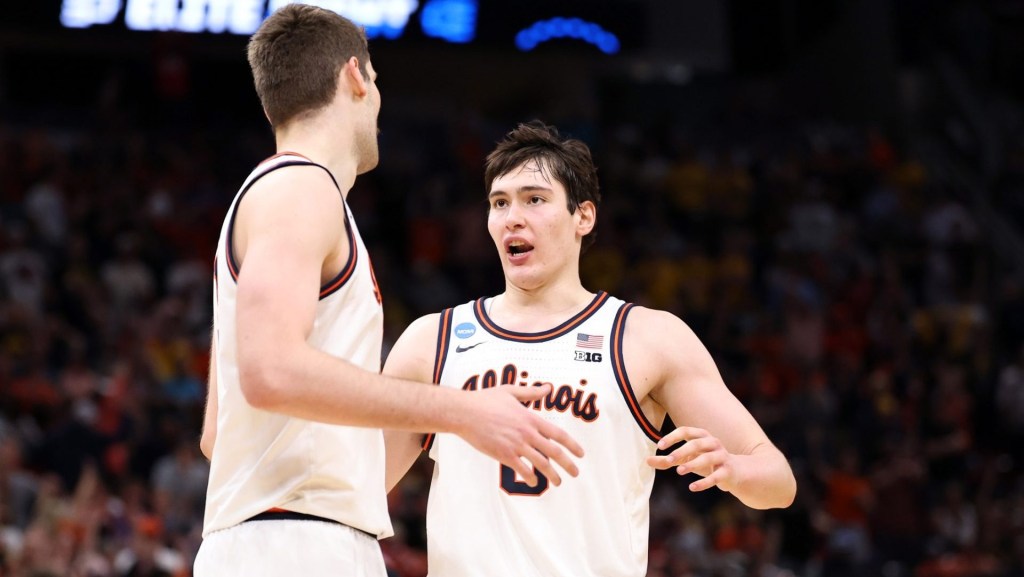
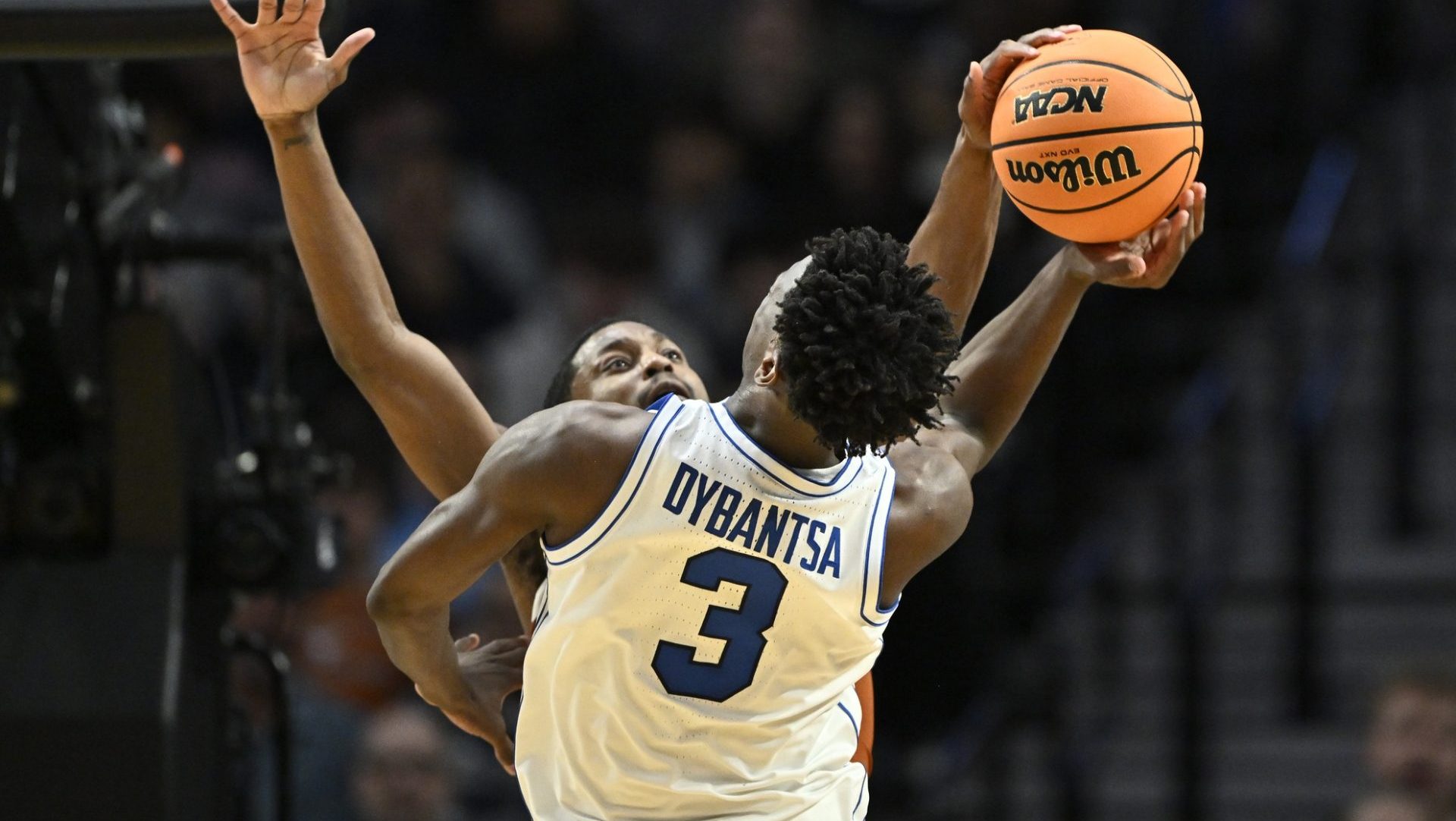
On Thursday, Texas upset BYU in the first round of the NCAA tournament 79–71, ending AJ Dybansta’s freshman season. The Massachusetts native committed to BYU for coach Kevin Young’s extensive staff of NBA alumni and wound up leading the nation in scoring. But the Longhorns denied the highly touted prospect a chance to lead the program to the Elite Eight or beyond for the first time since the 1980s
“Disappointing, no question about it,” Young said after the game. “We wanted to advance in this tournament. But so does everybody else.”
The Orange’s Carmelo Anthony-led 2003 NCAA championship remains a feat that few programs that rarely land coveted prospects like Dybantsa have been able to challenge, let alone match. LSU failed to make the tournament in 2016 with Ben Simmons. Michael Porter Jr. got injured for Missouri at the start of the 2017–18 season. A year ago, Rutgers went 15–17 with a pair of top-five draft picks in Dylan Harper and Ace Bailey. Cade Cunningham led Oklahoma State to the second round of the tournament. The list goes on.
But BYU can also attribute some of its underachieving to bad luck. Five players were lost to season-ending injuries, including Richie Saunders, who was the team’s second-leading scorer. On Jan. 14, the Cougars were 16–1 and ranked No. 11 in the AP poll. Before Saunders tore his ACL on Feb. 14, BYU had the highest-scoring trio in college basketball with Dybantsa, Saunders, and Robert Wright III.
“In terms of this year’s team, it’s hard to really judge what we constructed because we were never able to see it with five season-ending injuries, which is crazy,” Young said. “I think there’s not guys like AJ that come around too often, right? I think we tried to build it around a unique player.”
Dybantsa is part of a trio of vaunted draft prospects in a loaded NBA draft that includes Duke’s Cameron Boozer and Kansas’s Darryn Peterson. But Kansas and Duke recruit lottery picks annually, while BYU is trying to join that club.
The Cougars landed Dybantsa partially because of the money now being thrown behind the program, with billionaires such as Jazz owner—and BYU alum—Ryan Smith helping fund the school’s NIL warchest. Dybantsa’s NIL deal was reportedly worth $5 million with Nike and Red Bull adding $2 million. Young had the Cougars’ wealthiest boosters attend his introductory press conference in 2024, where they pledged to give him the resources he needed to make the program a national powerhouse. His seven-year, $30 million contract instantly made him one of the college game’s highest-paid coaches.
Next year, Young will get another chance to try to get the most out of a likely one-and-done. Bruce Branch III, a consensus top-10 player nationally, has signed with the program. Now Branch will be tasked with taking the Cougars where Dybansta couldn’t. History isn’t on his side.