As a final vote on the Protect College Sports Act (PCSA) draws near, lobbying efforts have gone into overdrive.
Senators are scheduled to convene on the floor on Tuesday afternoon to advance the bill to a final vote on the Senate floor. Ahead of the votes, multiple sources told FOS this week they expect the bill to get the necessary 60 votes. But lawmakers in favor of the bill face an opposition coalition that has formed to block them.
The result: a week of dueling press conferences, competing ESPN segments, and involvement from powerful labor and civil rights groups. College coaches visited Capitol Hill, while players have found themselves on both sides of the debate. Behind the scenes, private strategizing and negotiating have continued.
Backroom Negotiations
The PCSA, the result of years of negotiations and tens of millions of dollars in federal lobbying, would be the first college sports bill to reach a full floor vote, let alone pass in either chamber of Congress.
It would double the current revenue-sharing cap on college sports but implement stricter NIL (name, image, and likeness) rules, institute a one-time transfer portal, and codify eligibility standards. It would also codify some health and safety standards and require the richest schools to maintain women’s and Olympic sports roster numbers. A second section of the bill would allow schools to pool and sell media rights, prevent a power conference super league, and forbid conferences from expanding beyond 19 teams. A third section would fund broadband service at historically Black colleges and universities.
Since the September recess, co-sponsors Sens. Ted Cruz (R., Texas), Maria Cantwell (D., Wash.), and Eric Schmitt (R., Mo.) have worked to ensure the bill gets to 60 votes, one Senate aide tells FOS.
The White House has been involved as well, beyond public statements of support from President Donald Trump. White House college sports committee members Cody Campbell (Texas Tech board chairman and booster) and Randy Levine (New York Yankees president) have been key members of the lobbying effort.
Meanwhile, a left-leaning coalition has formed against the bill. Sens. Chris Murphy (D., Conn.) has spearheaded public opposition, with Sen. Corey Booker (D., N.J.) quietly assisting. In addition, labor groups including the AFL-CIO (and its sports council, which includes 10 professional sports unions) and SEIU, as well as civil rights groups, including the NAACP, have begun using their lobbying power against the legislation. They have argued college athletes should have collective bargaining rights to establish rules, rather than Congress, and have raised civil rights issues with capping athlete pay in basketball and football.
One Democratic Senate aide tells FOS that “democratic offices are hearing serious concerns about this bill from important stakeholders,” and that “opposition to the bill is growing.”
An informal group of agents has also have sprung up as detractors as well, according to two sources.
To complicate matters further, bill supporters are juggling an array of stakeholders requesting revisions. Several right-leaning advocacy groups (and a few senators) said the bill could override state laws banning transgender athletes from competing in women’s sports—an issue senators have fixed, sources said. No major changes have been made to other aspects of the bill, however, including the expansion provision.
Public Posturing
One of the biggest lobbying battlegrounds this week is playing out on ESPN’s airwaves.
On Saturday, Cruz sat for a nine-minute interview on College GameDay. But it backfired—both he and ESPN faced backlash for the segment. Since then, ESPN has agreed to platform a detractor: During Tuesday’s 6 p.m. SportsCenter, NAACP CEO Derrick Johnson will appear to lay out his concerns with the legislation.
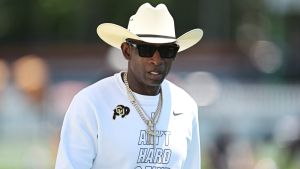
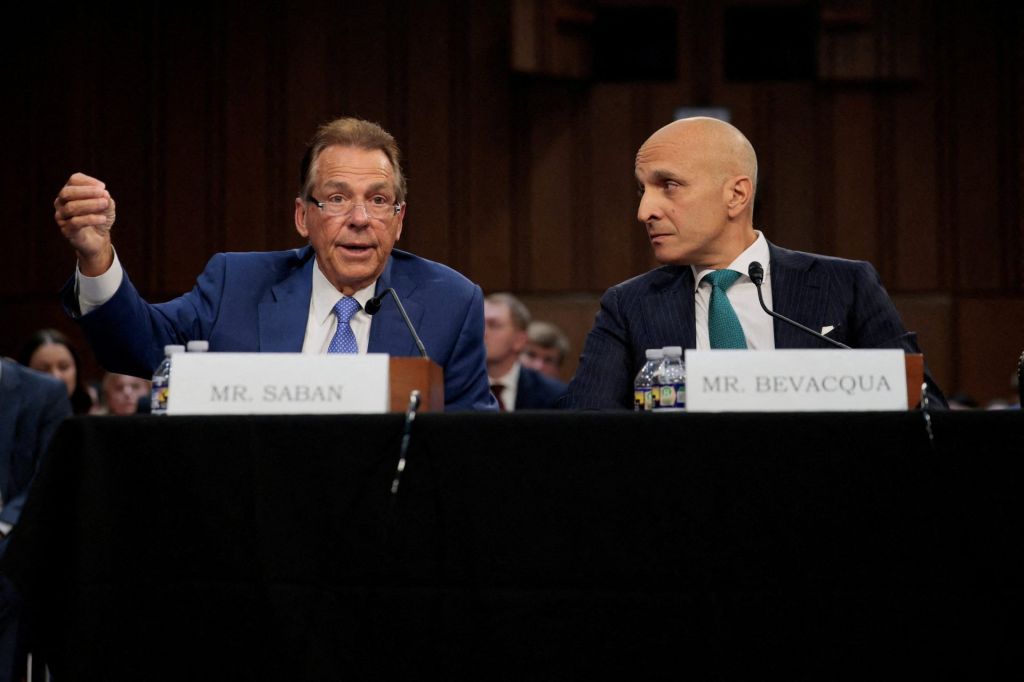
Also this weekend, fans saw ads lobbying for the bill funded by Campbell’s organization, Saving College Sports. The commercials, part of a $10 million campaign, have run each week and have already featured Saban and Colorado Buffaloes football coach Deion Sanders. Neither Sanders nor Saban were paid to appear in these ads, FOS previously reported.
Then, on Monday, came the onslaught of press conferences.
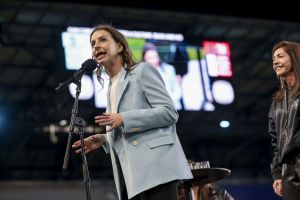
Around midday, the labor groups, the NAACP, and college athlete advocacy organizations teamed up for a Zoom press conference criticizing the bill. Players, including Maryland women’s basketball player Oluchi Okananwa, LSU women’s basketball player Jada Williams, and Temple football player Jackson Pruitt, said they wanted rules and regulations in college sports just as much as coaches and administrators—but that they wanted to be involved in the negotiating process through collective bargaining.
“Athletes don’t want this,” Pruitt said. “And truth be told, athletes aren’t fully educated on what’s taking place. And they weren’t vetted about this.”
Players also raised concerns about loopholes in health and safety standards and prohibitions on players suing schools or governing bodies. Marty McNair, the father of late Maryland football player Jordan McNair, who died from heat stroke after a Maryland football practice in 2018, agreed with them.
Four hours later, senators held a press conference in support of the bill featuring a separate group of elite men’s basketball coaches, including Arkansas’ John Calipari, Gonzaga’s Mark Few, and Houston’s Kelvin Sampson. Executive directors of the American Football Coaches Association and National Association of Basketball Coaches were also in attendance.
Coaches said they supported the transfer limits and eligibility restrictions the bill would provide. “You can sense the desperation in everybody’s voices. We really, really need help. And we need it from Congress,” Few said. “This bill is the best possible thing we can do right now for college athletics.”
More than a dozen college athletes joined to voice their support, mostly suggesting that the bill would protect the Olympic pipeline and preserve women’s and Olympic sports opportunities.
“Athletes in Olympic sports deserve protected programs. We deserve continued education. And we deserve the chance to represent America on an Olympic world stage,” Michigan rower Sophia Stylianos said. “The Protect College Sports Act preserves this Olympic pipeline and the integrity of non-revenue and Olympic sport athletes.”