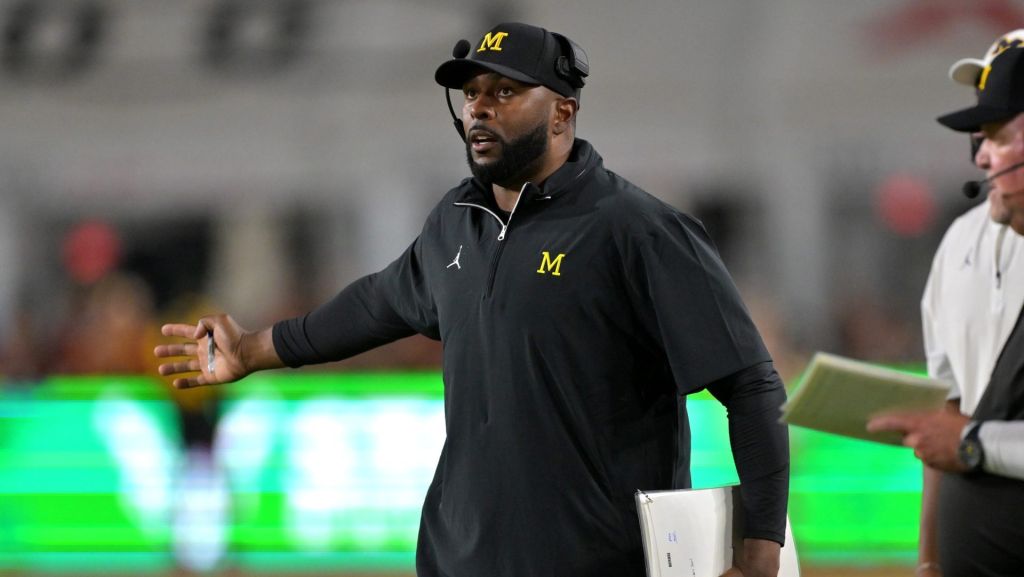
An independent review of the University of Michigan athletic department in the wake of the Sherrone Moore affair found “weaknesses in accountability, organizational structure, oversight, and reporting created conditions in which misconduct was not always addressed consistently, promptly, or in accordance with University expectations,” according to a summary of findings released by the school Monday.
However, the report also said the investigation didn’t find “that misconduct was widespread throughout the department.” It also said it found no current school employee had “direct, contemporaneous evidence” of Moore’s relationship.
Michigan president Domenico Grasso said the report found “serious concerns that require immediate action.” In a video address, Grasso said: “This is unacceptable. We have significant work ahead to restore Michigan athletics to its standing as a model program not only on the field, but also off the field.”
Grasso announced that Manuel asked to step down, but will stay on until the end of 2026, per Grasso’s request. Manuel will also serve as an advisor to the president to implement changes in the wake of the report’s findings to the athletic department he oversaw.
Vague Findings
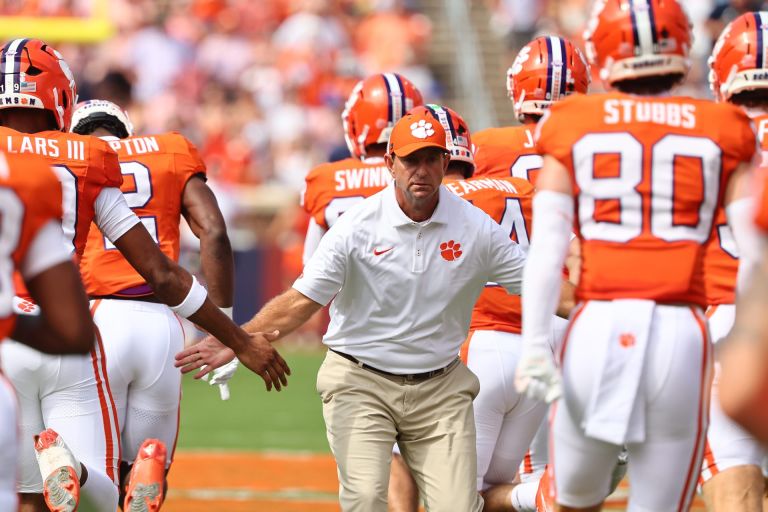
The investigation, handled by Chicago-based law firm Jenner & Block, was originally commissioned following the firing of former head football coach Sherrone Moore in December 2025 for having an intimate relationship with executive assistant Paige Shiver. The public report of the findings, released about seven months later, were confined to a 2,000-word university webpage and FAQ that did not provide specific details or examples of the evidence that led them to these conclusions.
The university has refused to release a full copy of the report itself, and has yet to confirm that a physical copy of the report exists—though university board members received oral briefings on findings, and the school has referred to “documents” associated with the report in multiple statements. Two weeks ago, Shiver filed a public records lawsuit against Michigan to obtain a copy of the report. Her attorney called for it to be released in a statement to Front Office Sports last week. The university has yet to acknowledge or respond to a public records request from Front Office Sports asking for the full copy.
“Maintaining the confidentiality of the investigation protects the privacy of the members of our community who participated, promotes the willingness of witnesses to participate in any future investigations by allaying concerns relating to privacy or risk of retaliation, preserves investigative integrity, and protects the attorney-client privilege that covers the investigation,” Michigan wrote in the findings.
Though the university declined to release specifics, a Wall Street Journal report last week detailed documents suggesting Manuel had concerns about the relationship between Moore and Shiver dating back to 2024. FOS confirmed these details were part of the findings.
Summary Revelations
The investigation had two parts, according to the summary. The first focused on the conduct of Moore and potential reporting failures within the athletic department, in the Moore affair specifically. The second part was an investigation into the “culture” of Michigan athletics more broadly. Jenner & Block conducted 350 interviews with about 300 witnesses, evaluated 20,000 documents, and spoke with HR officials, coaches, staff members, athletes, and university leaders.
The investigation “did not identify any current University employee with direct, contemporaneous evidence of the relationship” between Moore and Shiver, the summary said. Manuel himself “demonstrated important leadership strengths, particularly his commitment to student-athletes.” But the investigation did identify “failures to quickly and effectively act on allegations of wrongdoing by Athletic Department employees.”
The culture review found that the football program’s “oversight mechanisms were not sufficiently effective,” and recommended “strengthening leadership oversight, clarifying responsibilities, enhancing reporting relationships and improving compliance processes.”
In his address, Grasso said: “The review also identified interference, poor oversight, and failure of accountability by the highest levels of university leadership. This must change.”
The report identified several recommendations for the university, which it said it will work to implement, including improving processes for reporting concerns and strengthening athletics leadership and organizational structure.
Michigan said it’s considering creating new positions, like a university C-Suite officer for Compliance, an athletics oversight board. The university has also said it will work to improve investigative reporting capabilities and how concerns are elevated. The summary noted “many of the recommendations extend beyond the Department of Athletics and involve University-wide operations, compliance, human resources and investigative practices.”