Want more from Front Office Sports
in your search results?
Almost 25% of the 1,248 players at this year’s World Cup are representing a team that’s different from the country of their birth.
That figure, according to data from Ecuadorian analyst Jaime Macías, represents a big change in the composition of national teams. At the 2006 tournament, by comparison, the number was less than 9%.
The growing popularity of stacking rosters with diaspora players is especially changing the landscape for international soccer’s emerging powers. Teams such as Morocco, Turkey, and Senegal are using the full flexibility of FIFA’s eligibility rules to stuff their squads with surplus talent from the sport’s traditional powerhouse countries.
FIFA’s rules determining eligibility are surprisingly loose—and are becoming more so. To play for a different side, a player must hold nationality from that country. But that doesn’t mean they have to be a resident. Nationality can be conferred if either of a player’s parents—or even a single grandparent—was born elsewhere.
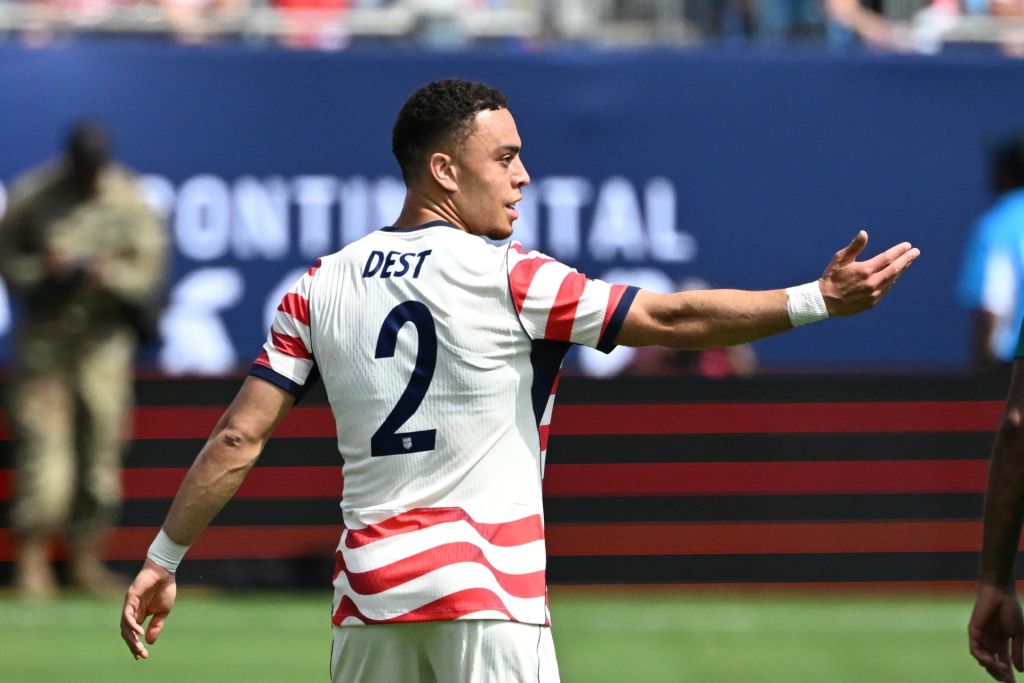
The USMNT’s Sergiño Dest was born in the Netherlands and has spent all of his playing career in Europe. But his father was born in Suriname and immigrated to the U.S. when he was a child, later becoming an American citizen. This unlocked Dest’s route into the U.S. national team.
FIFA has also made it possible to switch affiliation. Previously, as soon as a player made a single international appearance—even at youth level—he was locked to that association forever. In 2021, it revised the rules so a player could switch, provided that they had made no more than three appearances for their first country and none at a major final.
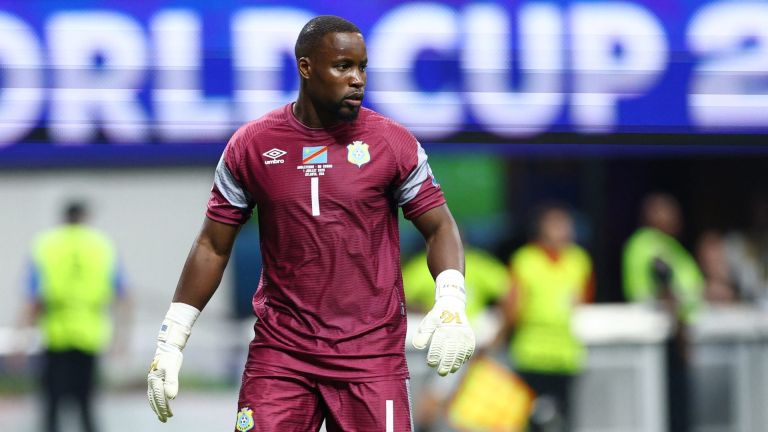
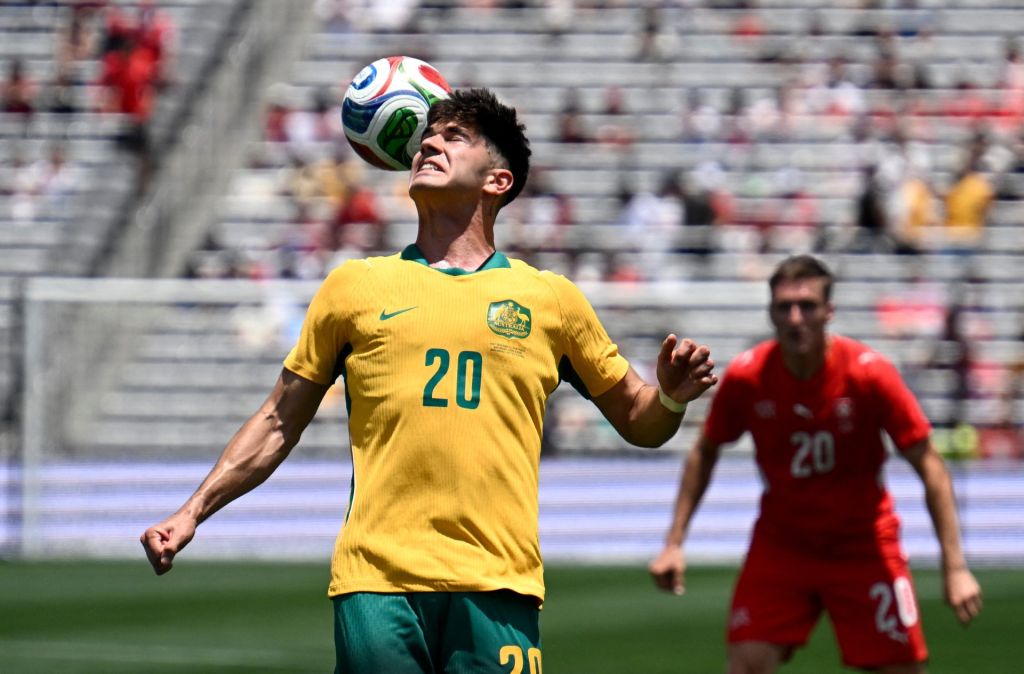
Several players at the World Cup have used this rule, including DR Congo defender Aaron Wan-Bissaka, who switched from England, and Australia midfielder Cristian Volpato, who moved from Italy.
This reform distributes talent more efficiently and means that more of the world’s best players are participating in international soccer.
Morocco went to the 2022 World Cup in Qatar with 14 of their 26-man squad born abroad. Defender Achraf Hakimi received his soccer education with Real Madrid’s youth teams, while midfielder Sofyan Amrabat played in the Netherlands, and captain Romain Saïss in France.
The Moroccan FA has doubled down on this strategy for 2026; 19 of the squad are foreign-born, 12 of whom grew up in France or Spain. Other countries have followed their lead. Tunisia, Algeria, Bosnia and Herzegovina, Congo, and Qatar all have more than half of their squads comprising players born elsewhere.
But there is an important middle step of the process, which remains in the shadows due to the sensitivities involved: how players decide which country to play for and the efforts that national associations use to persuade them.
Remarkably similar situations can produce opposite outcomes.
Both Ayyoub Bouaddi and Maghnes Akliouche were born in northern France and played youth soccer for small French teams. As young teenagers, they were recruited by two of the country’s biggest professional clubs: Lille and Monaco. Bouaddi’s parents are Moroccan; Akliouche’s are Algerian. They were teammates for the French national under-21 side. But when it came to international honors, Bouaddi declared for Morocco, while Akliouche opted to remain with France.
National associations are generally reluctant to discuss their efforts to recruit diaspora players; international soccer is still considered a matter of national pride, and the biggest associations risk losing face if they are seen to be pleading with young talent to represent them. But one executive from a mid-ranking side in the FIFA rankings tells Front Office Sports that keeping track of player eligibility is a big part of the job. After all, there’s no transfer market to buy and sell players to increase the talent of a national squad.
“It’s about using the informal network that you have. … Once you’re made aware of someone that has a relevant parent or grandparent, we’ll put them into our system, track them, assess them via video and live scouting,” the executive says. “If we’re happy that they are at the level we want, we would work out how to approach them, usually via the head coach.”
Players have found themselves in positions of power under the changed FIFA regulations.
One of the breakout stars of the recently completed English Premier League season was Wolverhampton’s 18-year-old forward, Mateus Mané. He was born in Portugal to parents from Guinea-Bissau and moved to England as a boy. Spotting his evident promise, the English Football Association picked him for its under-18 team. But he was also on the radar of the Portuguese association and, reportedly after being courted by the national team manager, Roberto Martínez, he switched. Mané was left off the 2026 World Cup squad, but Portugal will be expecting him to be a contender in four years’ time. (The Portuguese FA declined FOS’s request for comment.)
The story of the World Cup’s expanding contingent of diaspora players is really about globalization. Some of these players moved to new countries because their soccer skills were spotted by scouts. But the vast majority grew up in different places because their parents migrated for economic reasons.
Once settled in a soccer superpower, such as France, Spain, or the Netherlands, they were given a high-powered sporting education. And every four years the beneficiaries are their parents’ home countries.
Download the FOS App
The business of sports, in your pocket.



Scan the QR code to get the app now.