ORLANDO — The NFL has very big aspirations for both the Super Bowl and its draft, despite placing future iterations of both events in mid-tier markets.
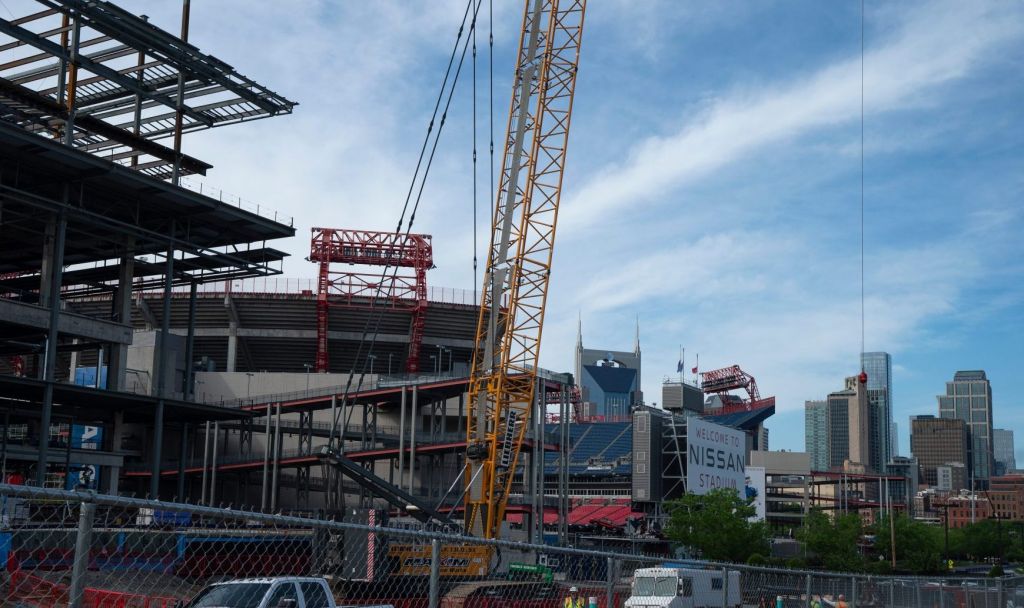
As expected heading into the league’s spring meeting, team owners awarded Super Bowl LXIV in 2030 to Nashville and the new $2.1 billion Nissan Stadium under construction there, while also granting the 2028 NFL Draft to Minneapolis.
The Super Bowl selection is a first for Nashville, and marks yet another major step in its rise as a football market after first gaining the relocated Oilers franchise in 1997 to eventually become the Titans. The choice also builds directly on a 2019 NFL Draft held in Nashville that drew a then-record 600,000 in attendance, and created a new foundation for the colossus that offseason event has now become.
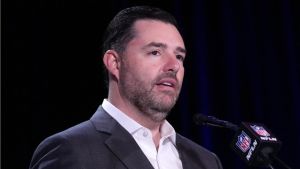
“Our history with this goes back to the draft in 2019, which was a remarkable event,” NFL commissioner Roger Goodell said Tuesday about the Nashville bid for the Super Bowl. “It changed the future of the draft, and arguably, it changed the future of the Titans and the community there. So this is the next big step in a remarkable football journey there.”
Many of the ancillary events around Super Bowl LXIV will be based in downtown Nashville, with a heavy focus on creating a walkable event plan. That veers heavily from the more spread-out footprint seen earlier this year for Super Bowl LX in the Bay Area, and will certainly be in place next year in Los Angeles and Super Bowl LXI.
Similar to Super Bowl LXII in 2028 in Atlanta, and the recently awarded Super Bowl LXIII in 2029 in Las Vegas, there is not a firm date in place for Super Bowl LXIV in Nashville. Rather, the league is currently holding multiple potential dates on the calendar as it works through several outstanding issues—foremost among them being the possibility of an 18-game regular season by then. That schedule expansion will need to be collectively bargained with the NFL Players Association, which remains reluctant at best on the issue.
Chasing a Milestone
Minneapolis-area officials, meanwhile, are well aware they have a very high bar to reach with the draft after Pittsburgh set an event attendance record last month with 805,000 over the three days, and the 1 million that are expected next year in Washington, D.C.
The event plan for the draft in downtown Minneapolis will bear a close similarity to what just happened in Pittsburgh—with U.S. Bank Stadium serving as a key anchor for the three-day spectacle, very similar to the role that the Steelers’ Acrisure Stadium just played.
The awarding of the hosting rights to the draft to Minneapolis also serves as a balm of sorts, as U.S. Bank Stadium is not a frontrunner to gain another Super Bowl. The venue hosted Super Bowl LII in 2018, but more recently, the league has veered more toward warmer-weather markets such as the Bay Area, Los Angeles, New Orleans, and Las Vegas for its title game.
Colder-weather locales, conversely, have been much more heavily represented in hosting the draft, including what will be a clean sweep of the NFC North divisional markets over a 12-year period.
“Every draft is different and every draft is made unique for that city,” Minnesota Sports and Events president and CEO Wendy Blackshaw said in response to a Front Office Sports question. “We don’t know the exact footprint yet, but we are working with the NFL to figure that out. Pittsburgh had a huge [attendance] number, but that also included a lot of watch parties around the city, and we have those same plans in place. … We feel really confident we’re going to have a huge crowd. We’re competitive.”