Want more from Front Office Sports
in your search results?
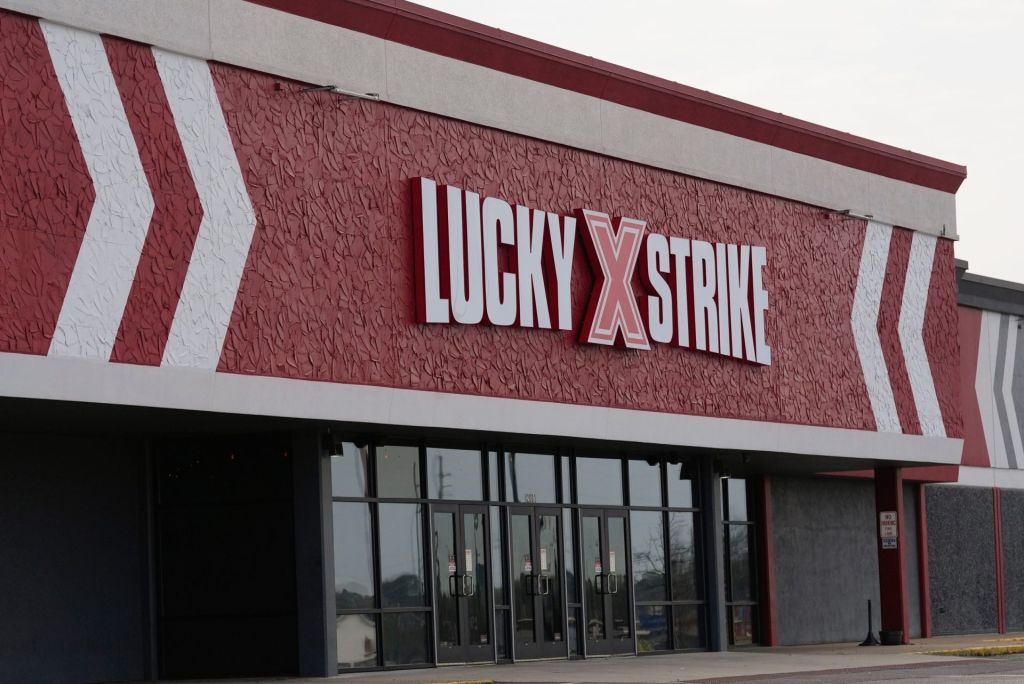
Lucky Strike Entertainment has been accused of building an illegal bowling monopoly by rolling up hundreds of bowling alleys across the U.S., driving up prices and degrading the customer experience through what plaintiffs call “illegally acquired scale.”
The lawsuit, first reported on by Lever and filed Wednesday in Washington federal court, portrays the company as a “Wall Street goliath” that transformed bowling from an affordable American pastime into an overpriced business focused on the financial bottom line instead of customer experience. In some cases, the price to bowl at Lucky Strike–owned alleys has tripled in recent years, the lawsuit says.
It says the rise of the company, formerly known as Bowlero, has been “fueled by repeated hedge fund and private equity investment on the road to going public.” Lucky Strike went public via a special purpose acquisition company merger in 2021.
The proposed nationwide class action, lodged by a group of 11 named plaintiffs, alleges Lucky Strike used an aggressive acquisition strategy to become the dominant force in American bowling. It says the company currently controls about 35% of U.S. bowling revenue and more than 350 “bowling centers” across North America. Its next closest competitors are Main Event, which operates 64 centers, and Round1 Bowling, which operates 56.
“Plaintiffs and the consumers they seek to represent have suffered substantial injuries as a result of Bowlero’s acquisition scheme, in the form of higher prices, reduced quality, and the veritable destruction of the decades-old pastime of bowling in America,” the suit says.
A Lucky Strike spokesperson said in a statement that “this lawsuit is a meritless attempt by a startup plaintiffs’ firm to generate headlines at the expense of a company that has spent more than three decades expanding opportunities for the sport of bowling and the communities we serve.”
“Lucky Strike Entertainment has a small share of a market with thousands of bowling operators and new competitors entering the space on a continual basis. We have grown by building better experiences for our guests, not by limiting choice. We are confident in our conduct, confident in the law, and we will defend this case vigorously and to the fullest.”
The law firm behind the suit, Simonsen Sussman LLP, was formed in June 2025. The two founding partners, Catherine Simonsen and Shaoul Sussman, both have prior experience working at the Federal Trade Commission.
The ‘Starbucks’ of Bowling
It cites comments made in 2013 by the company’s former CFO, who said the aim was to become the “Starbucks” of bowling. It also claims the company employs a “mousetrap” model by getting customers in the door and then convincing them to spend more money than originally intended.
In addition to “gobbling up” as many bowling centers as it could, the company has raised prices, pushed customers to buy more alcohol and promoted gambling through an app launched in 2022, according to the suit. That app, MoneyBowl, “solicits bets from customers on various bowling outcomes.” In states where sports betting is illegal, the app is still available, but instead of cash payouts, customers can win coupons.
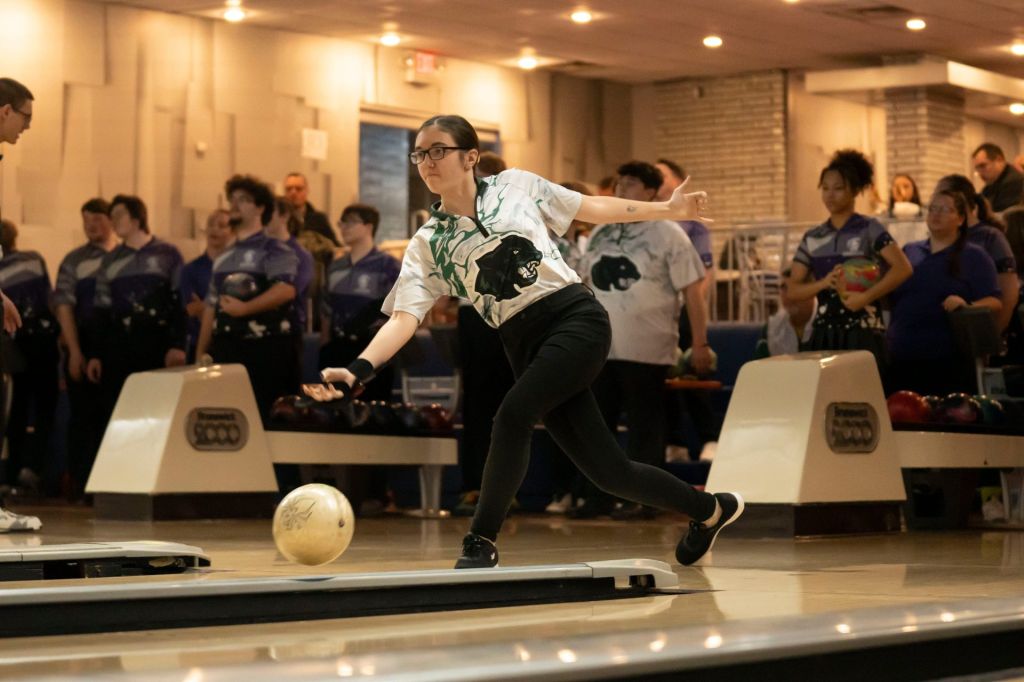
The lawsuit doesn’t specify how many class members there may be, although it notes there are millions of people who have been harmed by Lucky Strike’s alleged monopoly, including those who have paid higher prices at bowling alleys owned by rival companies that had to raise their prices to compete. It also doesn’t detail an amount of damages, but requests whatever figure is determined at trial to be “automatically” tripled.
The plaintiffs also want Lucky Strike to be forced to unwind some of the acquisitions it has made in recent years, as well as a ruling that would bar the business from making further acquisitions in “bowling and adjacent markets.”
“This Court has the power to preserve the century-long tradition of operating bowling centers in this country as a fair and honest line of business providing all Americans, regardless of age or socioeconomic status, the opportunity to gather and engage in a national pastime at fair prices,” the suit says.
The 11-count complaint claims violations of laws including the Clayton Act, Sherman Act, and unfair competition laws in multiple states.
The lawsuit was filed the same day Lucky Strike reported fiscal third-quarter results, which missed expectations. Total revenue increased by less than 1% to $342.2 million from $339.9 million a year ago, while net income increased to $16.9 million from $13.3 million last year. The company said its performance in the quarter was impacted by “two major winter storms” and a “decline in consumer confidence and discretionary spending following the escalation of military conflict in the Middle East.”
Shares of Lucky Strike are down nearly 10% this year.
A representative for the plaintiffs declined to comment further than what was included in the lawsuit. A representative for Lucky Strike did not immediately respond to a request for comment.
Download the FOS App
The business of sports, in your pocket.



Scan the QR code to get the app now.