
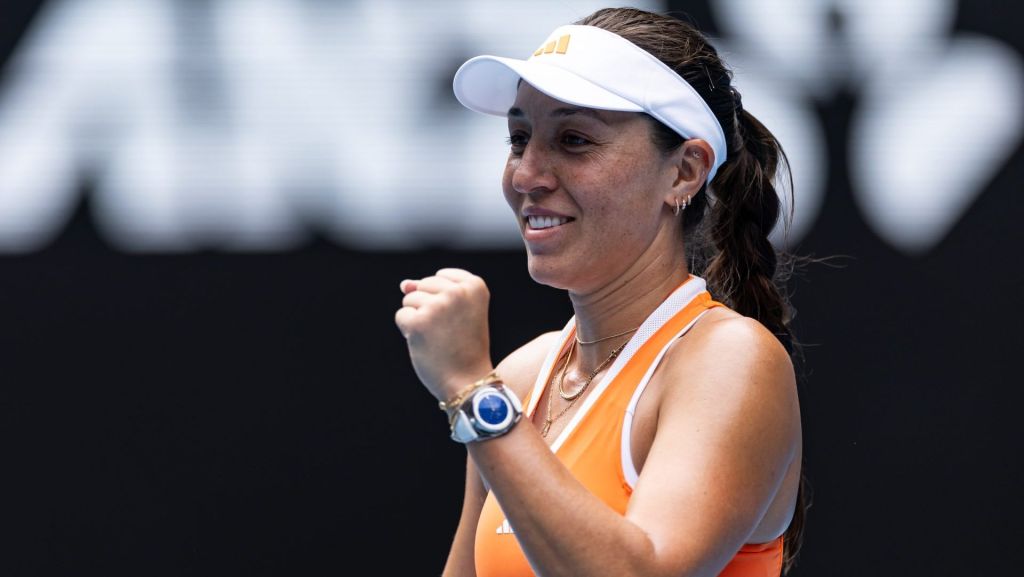
Jessica Pegula earned two new titles last week: winner of the Dubai Tennis Championships and chair of the Tour Architecture Council, a group tasked to address scheduling issues for women’s professional players.
The WTA announced the new 13-person council last Tuesday following dozens of withdrawals and retirements at the 1000-level event in Dubai, including from the world’s top two players, Aryna Sabalenka and Iga Świątek.
Then Tuesday, Pegula, ranked fifth in the world, withdrew from the ATX Open in Austin, an event she won last year.
She lamented the “tough” tennis schedule—which includes the Australian Open, four 1000-level events, and five 500-level events in the first quarter of the year—in an episode of The Player’s Box Podcast released Tuesday. (Top-ranked players are not required to play in any 250-level events like the ATX Open.)
Pegula and co-host Madison Keys also cited how the four early-season WTA 1000 events are scheduled in a Middle East back-to-back in February (Qatar and Dubai) followed by a U.S. back-to-back in March (Indian Wells and Miami).
“It’s not surprising that a lot of people didn’t want to play, or were tired or hurt,” Pegula said. She said that her coach, Mark Knowles, called the women’s schedule “insane.”
Keys, ranked No. 15, called the early-season schedule “a really tough part of the year.”
“You’re just kind of trying to manage injuries. And then you just have weeks where sometimes you can’t and other weeks you can,” Keys said.
Both players are expected to compete at Indian Wells, which starts March 4.
WTA chair Valerie Camillo, who took the role late last year, said last week the Tour Architecture Council will look to “develop actionable recommendations” on the tennis calendar that could be implemented as early as the 2027 season.
“Over my first 90 days, there has been a clear sentiment across the Tour that the current calendar does not feel sustainable for players given the physical, professional and personal pressures of competing at the highest level. It’s important we take a fresh, collaborative look at how to best preserve the high-quality competition that builds value for tournaments and provides an unparalleled experience for fans,” Camillo said.