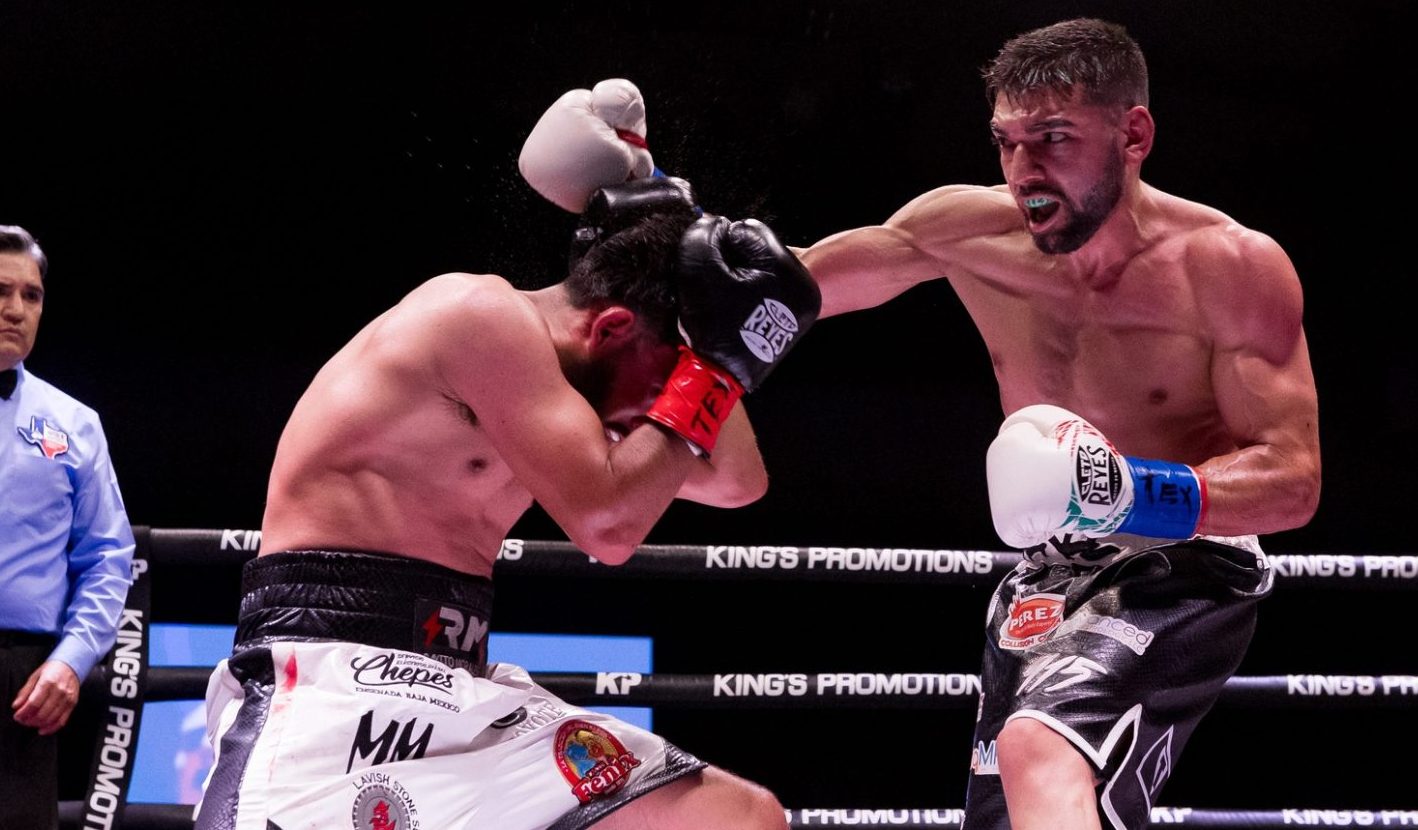
While some other parts of Washington remain in political gridlock, large-scale reform to pro boxing has passed the U.S. House of Representatives.
The House passed the Muhammad Ali Boxing Revival Act on Tuesday by a voice vote, enjoying widespread bipartisan support. That full House vote followed passage in January by the House Committee on Education and the Workforce, a hearing in early December, and last summer’s introduction of the bill. The legislation, named for boxing legend Muhammad Ali, will create unified boxing organizations (UBOs), parallel to existing sanctioning bodies, and it will also implement enhanced minimums for fighter pay and health standards.
This is the first boxing-related legislation to pass the House in 26 years, following an original act named for Ali that this latest legislation seeks to enhance.
“This bill did something that very few issues before Congress have done: it truly brought Republicans and Democrats together from the widest array of ideological preferences to revive one of America’s greatest sports in the name of one of America’s greatest athletes,” Rep. Brian Jack (R., Ga.), a key backer of the legislation, told Front Office Sports.
Notably, the vote on the boxing legislation happened amid heightened tensions on Capitol Hill on other issues. In particular, Democrats and Republicans are debating funding for the Department of Homeland Security, which in turn has helped create historically long security lines at many U.S. airports. The boxing bill, however, was one of several suspension votes taken in the House that allowed for expedited passage outside of the normal procedural rules.
“This action today did not distract or take away from our motivations this week that we all have,” Jack said. “But what we saw speaks to the broad bipartisan support that we garnered.”
Zuffa Boxing, the new entity involving WWE and UFC parent company TKO Group Holdings and its partners, is a key backer of the legislation. If successful, Zuffa Boxing would operate in some respects similarly to UFC—where complaints persist about the power of parent company TKO Group Holdings, and UFC last year reached a $375 million settlement over long-running allegations of suppressing fighter pay.
The bill will now move to the U.S. Senate for consideration there. The legislative timetable in that chamber is uncertain, but Jack said he intends to see the bill signed into law this year.