INDIANAPOLIS — On Friday, the college sports industry was preoccupied with the Final Fours here and in Phoenix. But the biggest college sports news of the day was brewing in Washington.
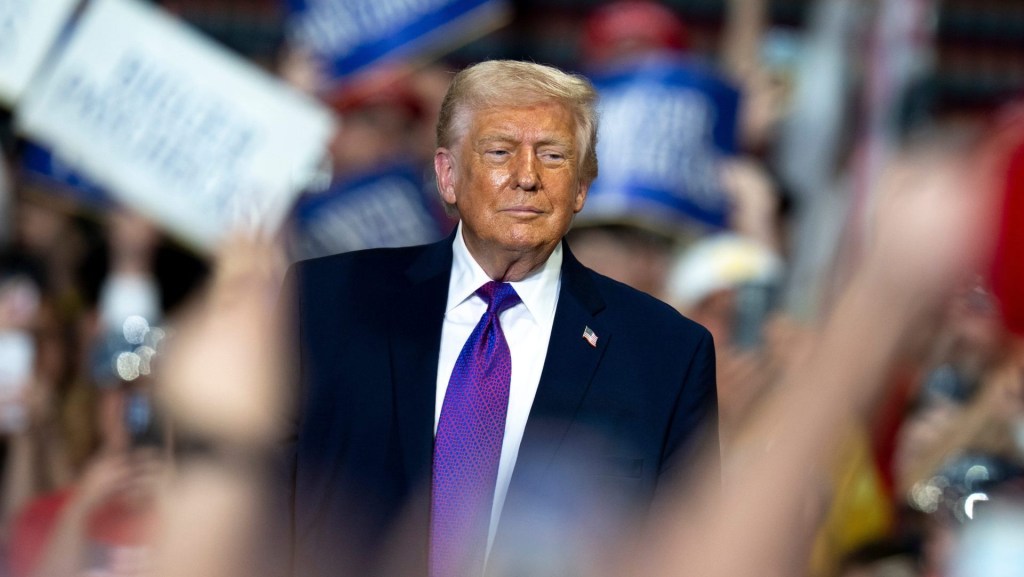
President Donald Trump issued a second executive order on the future of college sports—including attempts to legislate the transfer portal and eligibility rules for athletes. The biggest question, however, is whether the executive order has any legal teeth—and will actually force any change.
The order most notably asks the NCAA to establish a five-year participation window on eligibility —with a few exceptions including military service and missionary service—and a ban on “professional” athlete participation. It also asks the NCAA to rewrite rules for players to transfer just one time without penalty (and one additional time after they complete a four-year degree).
The order also attempts to prohibit what it calls “fraudulent NIL schemes,” which it defines as “a scheme to pay for goods or services, including NIL services, above the actual fair market value of those goods or services in connection with a student-athlete’s participation in intercollegiate athletics, including through the use of collectives or similar entities.” It says schools cannot use federal funds to bankroll NIL or revenue-sharing deals (and coaching or athletic department compensation funds).
The order includes protections against “unscrupulous agent conduct,” requires medical care for athletes, and requires schools to “implement revenue-sharing in a manner that protects and expands opportunities in women’s and Olympic sports.” Schools are also not allowed to interfere with contracts between players and other schools.
All of these new rules should be implemented by Aug. 1, the executive order says.
The enforcement mechanism Trump plans to use: federal funding. “The Order directs Federal agencies to bolster the effectiveness of key college-sports rules on transferring, eligibility, and pay-for-play by evaluating whether violations of such rules render a university unfit for Federal grants and contracts,” the White House fact sheet on the executive order said.
The EO issued several directives to federal agencies: The administrator of General Services and the Department of Education must “increase data collection across college athletics to ensure compliance,” and the Chairman of the FTC and attorney general should take “appropriate enforcement actions,” the fact sheet read.
Finally, it directs Congress to pass legislation on these issues.
“The NCAA has modernized college sports to deliver more benefits for student-athletes, and the Executive Order reinforces many of our mandatory protections,” NCAA president Charlie Baker said in a statement. “This action is a significant step forward, and we appreciate the Administration’s interest and attention to these issues. Stabilizing college athletics for student-athletes still requires a permanent, bipartisan federal legislative solution.”
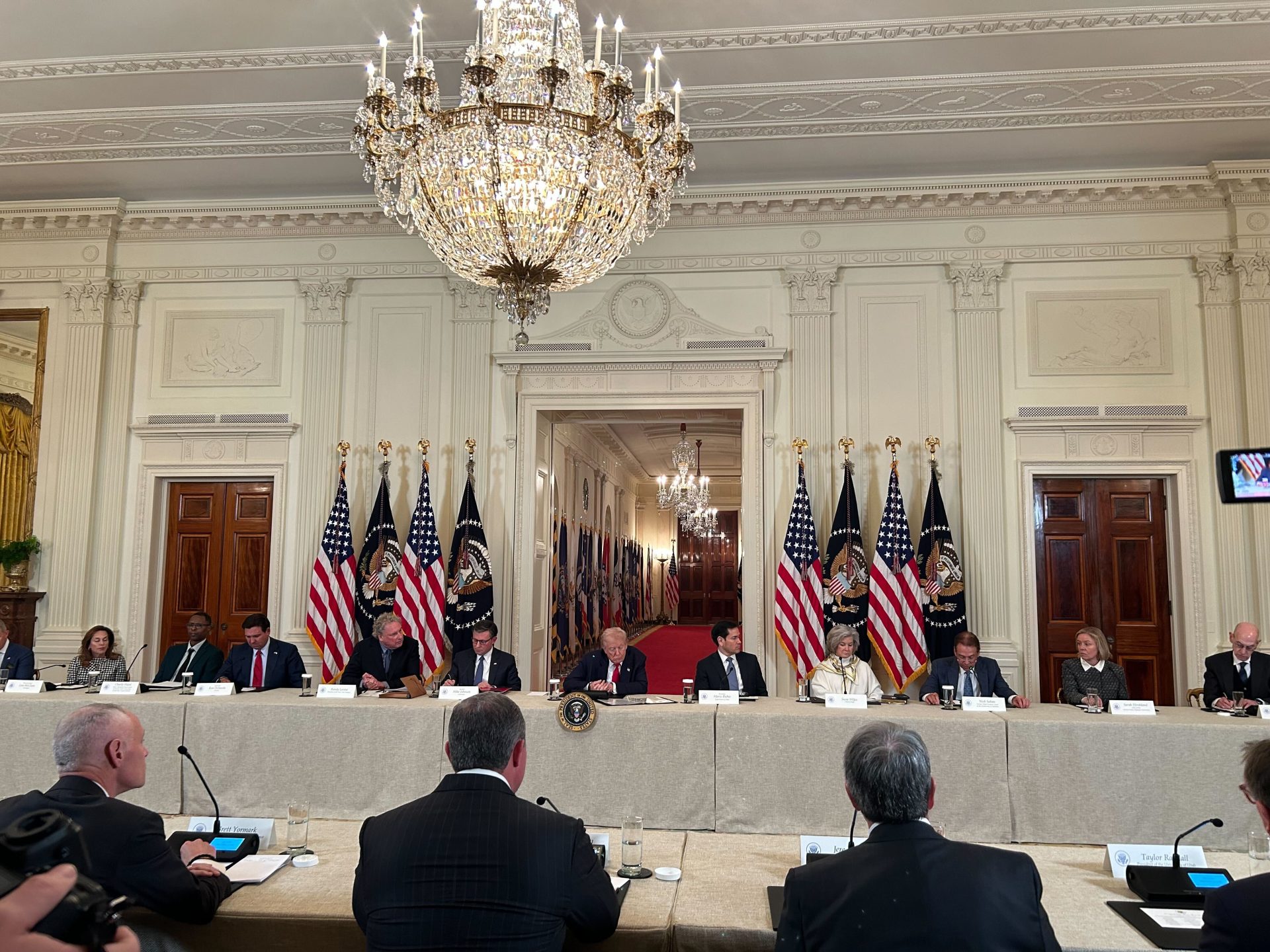
The news comes just a month after Trump had promised to issue a second executive order while hosting a White House roundtable on the future of college sports. His first executive order, signed in July 2025, similarly attempted to ban “pay-for-play” NIL deals and implement requirements related to equitable men’s and women’s sports participation opportunities. It ultimately had little effect.
“In July, I signed an Executive Order to protect college sports from endless lawsuits and destabilizing financial obligations that could jeopardize women’s and Olympic sports, but it has become clear that more comprehensive executive action is required before college sports are lost forever,” Friday’s order read.
At the roundtable in March, Trump said that he fully expected his executive order to be challenged in court, and hoped a judge would rule in his favor, thus potentially codifying its terms.
Multiple lawyers told FOS Friday that they didn’t believe a stipulation in the executive order limiting players to one transfer would stand up in court. After all, the order itself directs the NCAA to set restrictions that were themselves struck down in court in 2024.
“The NCAA is a private organization, and its bylaws are internal contracts. EOs only direct federal agencies, not private groups,” sports attorney Darren Heitner—who has regularly sued the NCAA and its schools on behalf of athletes—told Front Office Sports. “No statute gives the President power to rewrite them or deprive athletes of their rights. An EO would be aspirational only—and a waste of time.”
Tom Mars, another prominent sports attorney, said: “That sounds like a worthy goal. But an executive order like that would be no more enforceable than Nick Saban scribbling that new rule on a yellow legal pad and then signing his name.”
Kennyhertz Perry attorney Mit Winter told FOS he believed that “numerous” athletes would challenge these transfer restrictions through lawsuits.