Want more from Front Office Sports
in your search results?
Since its inception, the NCAA has held a staunch anti-gambling stance.
That hasn’t changed much since the 2018 PASPA Supreme Court ruling — which struck down the federal ban on sports betting and opened the door for legal wagering on college sports. To this day, the governing body still bans those in the industry, from athletes to athletic department officials, from engaging in any type of sports betting.
But restrictions haven’t exactly stopped schools and athletes from cozying up to now-legal sportsbooks like DraftKings, FanDuel, and others. From NIL deals to sponsorships, the gambling industry made significant inroads in college sports, while bettors have wagered millions on the NCAA.
Over the past two months, that relationship has begun to sour. The American Gaming Association passed new regulations, and news emerged of three schools accused of suspicious betting activity — within a week of each other.
Now, the industry is left to navigate a patchwork of state regulations, an NCAA ban on betting, and a regulated but still volatile gambling industry less than a decade old.
The Sponsorship Conundrum
Until 2020, UNLV and the University of Nevada, Reno were the only two NCAA schools that partnered with sports betting operators.
But in the fall of 2020, the University of Colorado Boulder inked a controversial partnership with PointsBet that included athletic department sponsorships and responsible gambling education for athletes. The school admitted it desperately needed the money from the deal — reportedly worth $1.6 million — due to the pandemic.
“I think this [deal] has some momentum,” Michael Goldman, a sports marketing professor at the University of San Francisco, told Front Office Sports in 2020.
It appeared that momentum was growing.
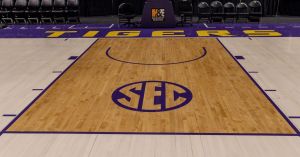
In 2021, LSU and Michigan State named Caesars Sportsbook their “official sportsbook.” Programs including TCU and Syracuse made deals with casino resorts. After the NCAA ruled conferences could sell data to sportsbooks, two signed deals with data companies. Some gambling companies even entered the NIL space.
The promise of responsible gambling education was supposed to make these deals more palatable, but the pressure is nevertheless mounting.
- In early 2023, Colorado amended and then completely severed its relationship with PointsBet.
- Days later, the American Gaming Association said schools could only engage in partnerships founded on responsible gambling and gambling education — and expressly prohibited NIL deals.
- By July 1, all existing deals must be completely severed.
“Advertising plays an essential role in migrating consumers away from predatory illegal sportsbooks and into the protections of the legal, regulated market while providing responsible gaming resources,” AGA President and CEO Bill Miller said. “The AGA and our members are committed to building a sustainable marketplace that protects vulnerable populations.”
Suspicious Activity Emerges
In retrospect, the AGA’s decision was well-timed. About a month later, the first sports betting scandals of the post-PASPA era emerged in the college sports industry.
On May 1, news broke that gambling regulators in Ohio had shut down betting on Alabama baseball games after two irregular bets were flagged by a local sportsbook and analyzed by U.S. Integrity.
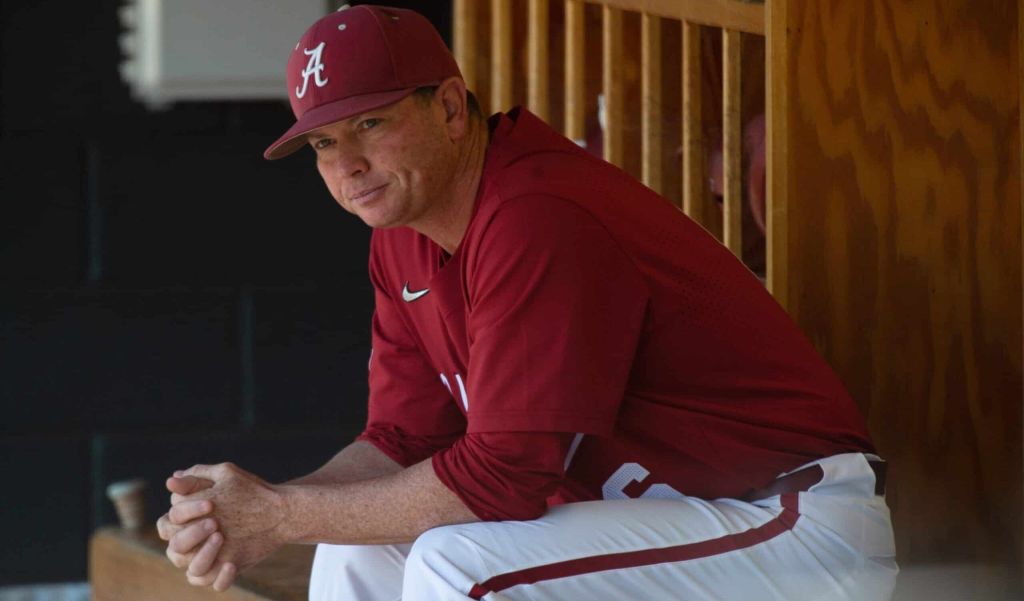
Alabama baseball coach Brad Bohannon was fired on May 4 after the school had reportedly obtained evidence that he was on the phone with someone who placed two bets against the Crimson Tide — shortly before the team announced it was scratching its ace starting pitcher against LSU.
The following week, the University of Iowa and Iowa State announced that 41 current athletes were under investigation from state gambling regulators for “potential criminal activity” related to sports gambling.
While sources confirmed to FOS that the integrity of games involving these schools remained intact, it would be reasonable to believe that athletes may have been betting underage.
The Iowa state commission said in a statement that it was investigating but refused to comment further. Conferences including the Big Ten and SEC said they were “aware” and concerned about the situation — but neither committed to launching their own investigations.
The NCAA told FOS it was looking into the situation at Alabama, then released a lengthy press release touting its educational tools for responsible betting.
“As recent sports wagering issues across college and professional sports indicate, continuing to provide educational tools, monitoring services, and research data to mitigate future problems has never been more important,” the governing body said.
But none of these initiatives were new. The NCAA simply wanted to reinsert its responsibility efforts into the conversation at the height of the controversy.
A Murky Future
For gambling operators, the relationship to college sports is trickier than it’s ever been in the post-PASPA era. They’re completely shunned from advertising at schools and making inroads with athletes — even under the guise of responsible gambling.
But this could be a golden age for integrity operators in the NCAA space.
U.S. Integrity and Sportradar have both inked deals with multiple schools and college conferences to educate athletes on best practices, teach the warning signs for bad actors, and monitor the integrity of games themselves. EPIC Risk Management has a partnership with the NCAA, teaching classes about responsible gambling.
These types of organizations are looking to fix issues beyond sponsorships and gambling.
U.S. Integrity launched a hotline with RealResponse for athletes to report when they’ve been harrassed by bettors for certain outcomes in games. The organization wants to collect data in the hopes that it can help protect athletes from this sort of abuse in the future, U.S. Integrity COO Scott Sadin told FOS.
Meanwhile, legal betting on college sports is only growing more and more popular. This past year, the AGA estimated that 68 million Americans would gamble on the NCAA Division I men’s tournament alone.
Download the FOS App
The business of sports, in your pocket.


Scan the QR code to get the app now.