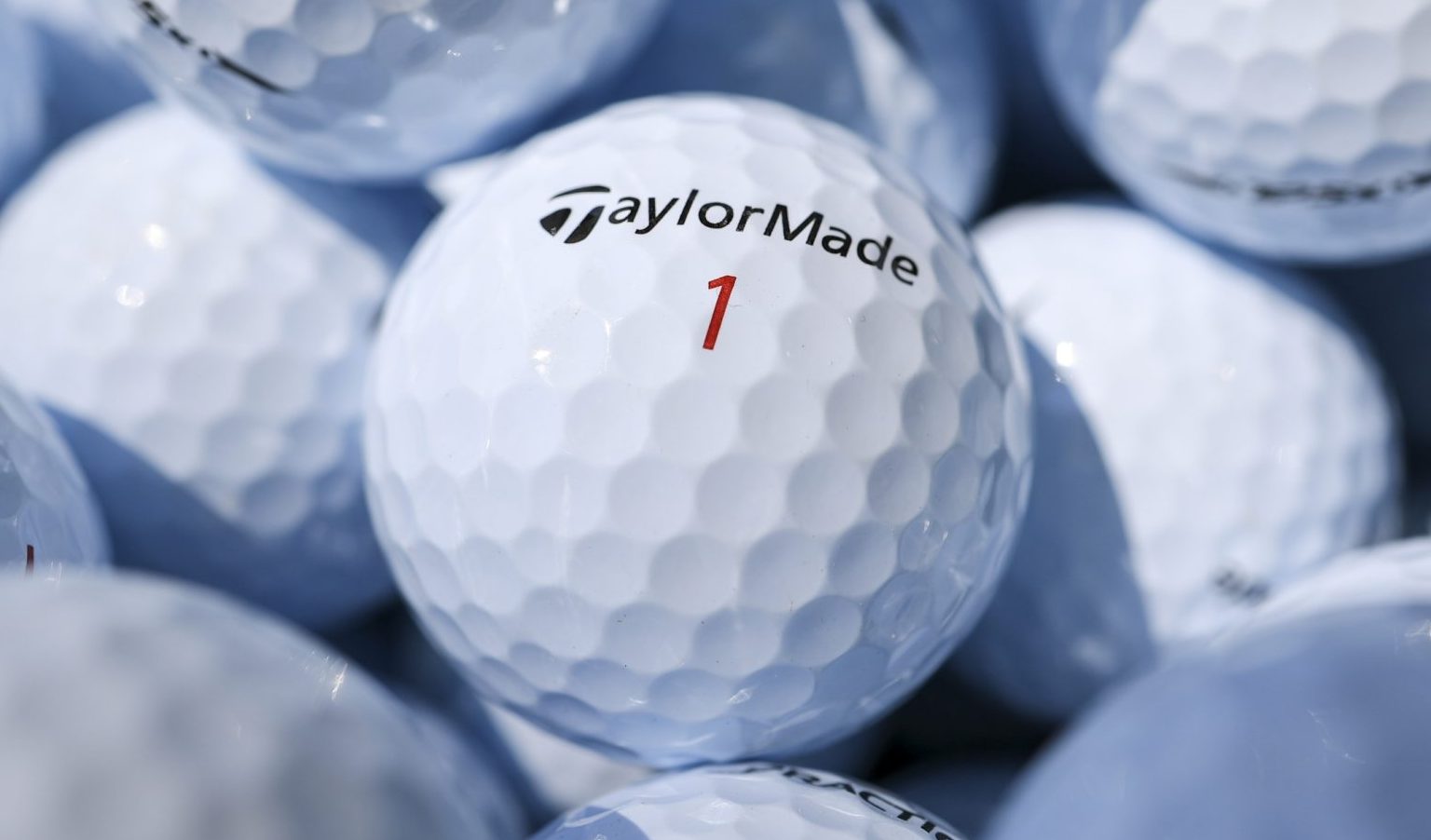
Fallout from TaylorMade’s lawsuit against rival golf equipment manufacturer Callaway has taken an intriguing twist in the form of a new marketing campaign for the 2026 editions of TaylorMade’s TP5 and TP5x golf balls.
TaylorMade’s promotion of new “microcoating” technology used to paint its golf balls is confusing sources inside the industry and many public observers, given the reasoning’s apparent similarities to the alleged false claims about previous editions of TaylorMade balls that the company sued Callaway over.
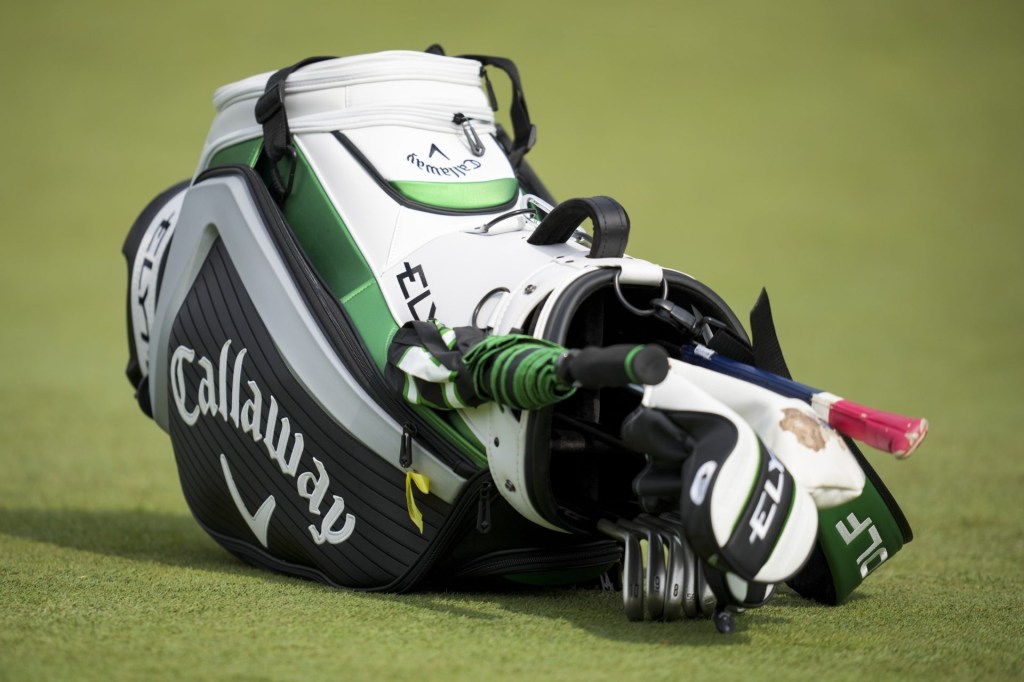
In the lawsuit filed on Jan. 15, Taylormade said: “Callaway, its agents, and representatives have conducted misleading UV light demonstrations in which they disparage TaylorMade’s golf balls, including by calling them ‘mud balls,’ and by falsely asserting that TaylorMade balls have uneven paint/coating coverage and poor quality control, leading to poor performance.”
A TaylorMade social media post on Feb. 2, which a company spokesperson told Front Office Sports was the “longstanding launch date” for the 2026 TP5 and TP5x golf balls, read: “Your golf ball may be hiding an invisible problem—until now. Uneven paint and excess pooling in the dimples on your golf ball can rob you of distance and accuracy. Microcoating on the new TP5 and TP5x applies a layer of paint thinner than a human hair for even coverage, creating more consistent performance from tee to green. Problem solved.”
Show & Tell
A nearly 20-minute YouTube video, also posted on Feb. 2, features “Team TaylorMade” players Rory McIlroy, Tommy Fleetwood, Collin Morikawa, Nelly Korda, Charley Hull, and Brooke Henderson learning about the new microcoating process on the 2026 golf balls compared to the previous editions of the TP5 line, which were released in 2024.
After showing several examples of inconsistent shots from balls labeled “‘24 TP5 w/ UNEVEN PAINT” uneven paint, a TaylorMade representative in the videos says, “You could see upwards of 10- to 20-yard difference on a drive in a very extreme case,” to which Morikawa replies: “With the paint, you can see a 10- to 20-yard difference?” TaylorMade rep: “You can, absolutely—on a very poorly done ball. The balls that you guys are testing aren’t that extreme.” Morikawa: “Oh, Okay.”
A separate, roughly two-minute video also goes into specific detail about the microcoating technology. “The 2026 TP5 sets out to change that through one subtle improvement that you might not expect: how the golf ball is painted,” the video’s narrator says. “In the modern golf ball, paint is treated as an afterthought, just a glossy finish to make the ball look new and protect from UV and stains. But in reality, it’s also the only part of the ball that actually touches the air.”
Why TaylorMade Is Suing Callaway
TaylorMade declined to make a company representative available for an interview about its new marketing campaign when requested by FOS, but did provide a lengthy statement about the lawsuit, in which it calls Callaway’s UV light demonstrations a “modern-day parlor trick,” and says its rival “overstates the performance of its own golf balls.”
“TaylorMade Golf Company recently learned that one of our competitors, Callaway, is making false and misleading claims regarding our TP5 and TP5x golf balls,” the statement reads.
“Callaway is conducting an advertising campaign that overstates the performance of its own golf balls and disparages the performance of TaylorMade golf balls based on a UV light demonstration, which shows cosmetic differences dictated by golf ball design that have no meaningful bearing on performance. We believe it to be a modern-day parlor trick.
“As a decades-long industry leader in producing world-class golf equipment, and one of the fastest growing golf ball companies in the world, we carefully engineer our TP5 and TP5x golf balls for performance and subject them to rigorous quality control testing. We stand behind the performance of our TP5 and TP5x golf balls against any product on the market.”
Callaway declined to comment when requested by FOS. The company previously gave the following statement to Golf Digest and Golf.com: “While we do not generally comment on matters in pending litigation, we continue to stand by the relevancy of UV light observations as related to the application of coating materials on golf balls and believe this is relevant information for the marketplace.”
Last month at the PGA Show, TaylorMade CEO David Abeles told FOS the lawsuit was about TaylorMade “defending its position, and exposing the reality of golf ball testing, so that consumers can choose performance over conjecture or hearsay.”
Numbers Game
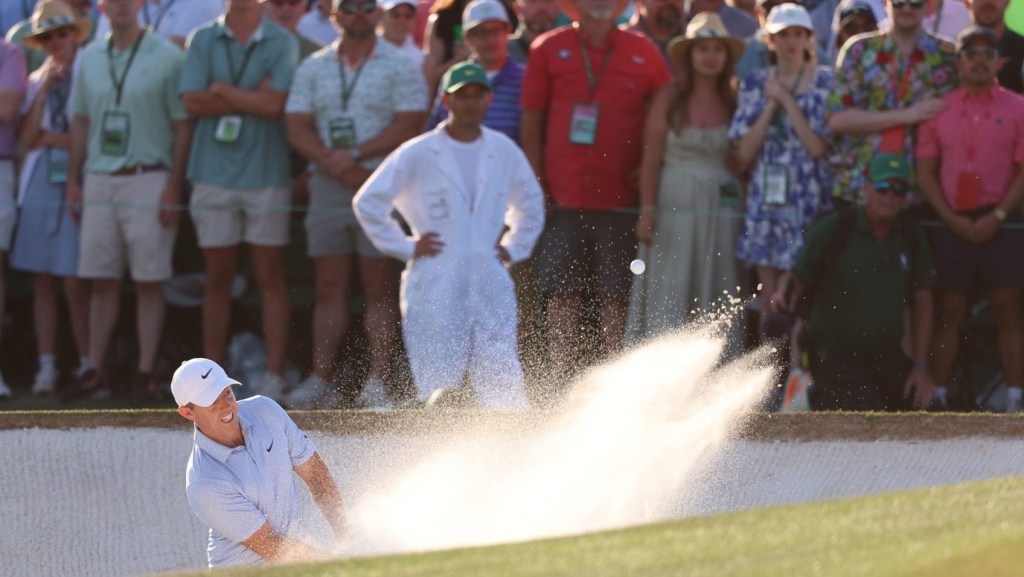
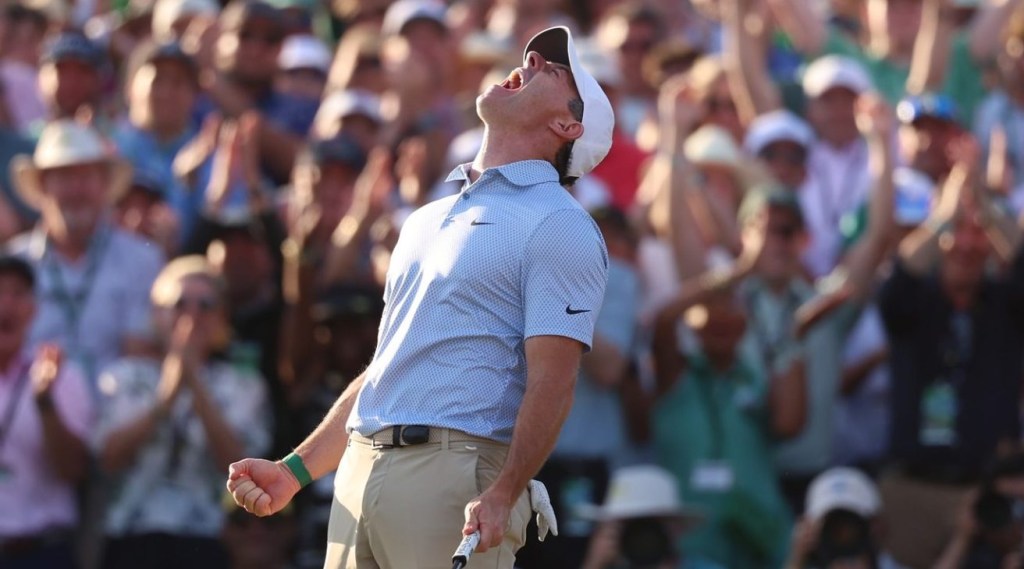
Uneven paint or not, in 2025, Rory McIlroy won the Masters and Tommy Fleetwood won the $10 million Tour Championship using TaylorMade golf balls. Some other top TaylorMade club endorsers use other companies’ balls, like Scottie Scheffler (Titleist) and Tiger Woods (Bridgestone).
Top players who use Callaway’s golf balls include No. 10-ranked Xander Schauffele and fellow two-time major champion Jon Rahm on LIV Golf, among others.
Titleist’s Pro V1 and Pro V1x have long been the most popular golf balls on the PGA Tour. Last year, 21 different players using the balls combined for 26 wins on tour.
TaylorMade is also exploring a multi-billion-dollar sale, which Abeles told FOScould happen by the end of this year. The company’s two largest investors—Korean private equity firm Centroid and Korean fashion company F&F Co. Ltd.—have been in a complicated dispute over the logistics of any potential sale, though.