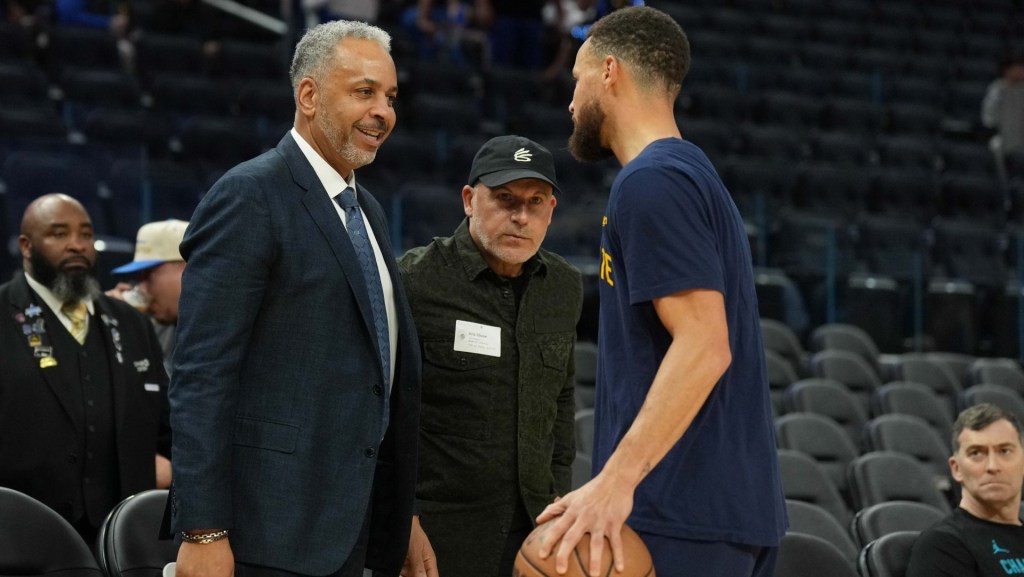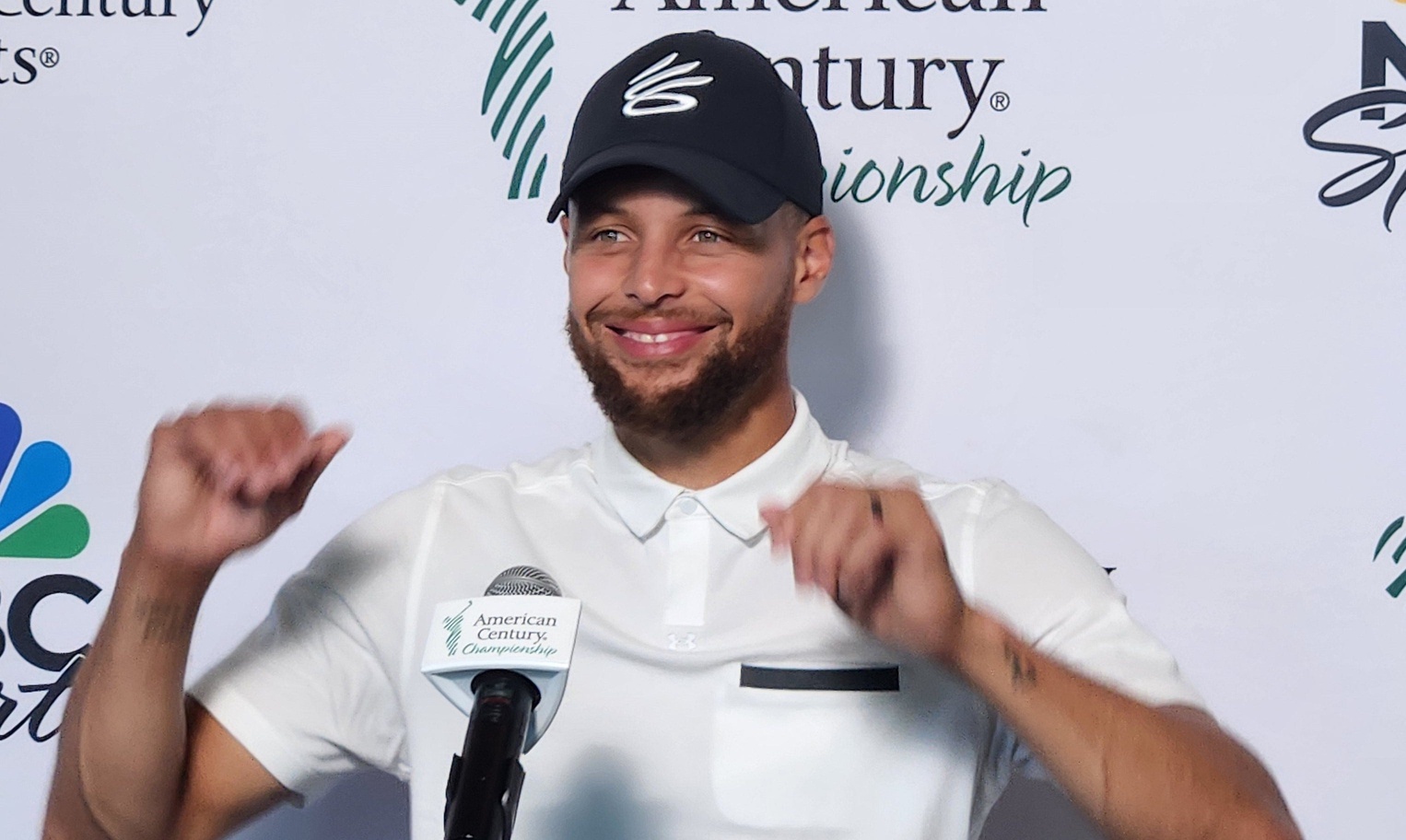
When Steph Curry switched from Nike to Under Armour in 2013—famously after Nike executives offended Curry and his father Dell in a pitch meeting to re-sign the rising star—it was seen as a major coup for the scrappy Baltimore apparel brand.
Curry quickly became the brightest star in Under Armour’s athlete endorser firmament, a lineup that included Tom Brady, Cam Newton, Michael Phelps, Lindsey Vonn, Bryce Harper, and Dwayne “The Rock” Johnson.
Now Curry and Under Armour are splitting up, the company announced suddenly Thursday, in what both sides are calling a mutual decision. Under Armour will still release one last Curry sneaker, the Curry 13, in February, but Curry is leaving—and taking his brand and signature logo with him.
He owns all his IP, a spokesperson for Curry told Front Office Sports.
The announcement comes as a surprise after Under Armour and Curry announced a “long-term contract extension” just two years ago. That announcement also named Curry president of his brand.
“The timing is certainly odd since UA just reported its earnings last week,” Morningstar analyst David Swartz told FOS in an email. “Curry wasn’t mentioned on the earnings call, so that’s a sign that Plank knew that it was going away. With UA’s stock under $5, Plank is desperate… The Curry Brand may have been created (in part) to keep him from leaving a few years ago. UA is just not strong enough in basketball or footwear.”
In an analyst note about the news, Telsey Advisory Group wrote, “We view it as more of a headline and reputational risk for Under Armour than a financial one. On the one hand, sales for the Curry brand seem to have decelerated along with the basketball category and the contract was a big expense for Under Armour, at a time when the company needs to align its cost structure with its lower revenues and find ways to offset the impact of tariffs. On the other hand, we worry about Under Armour losing its most recognizable and commercial athlete and what the separation means for the brand’s ability to sign other notable athletes in the future, particularly in basketball.”
Its strong athlete roster hasn’t helped Under Armour avoid a long decline. The stock is down 52% in the past year and down 91% since its all-time-high just above $53 in 2015. The company is muddling through a long rebuild, and headlined its announcement of the Curry split by saying it will “focus on core brand comeback.”
In May of last year, the company announced a major restructuring that included significant layoffs.
That rebuild comes with very public cost-cutting measures that have also included exiting expensive long-term college apparel sponsorships with the likes of Cincinnati, UCLA, and Cal.
Curry, meanwhile, is free to take his talents to another big brand, and can announce a new deal immediately—he does not need to wait until his Under Armour deal ends.