
White Sox Co-Owner Mat Ishbia Endorses MLB Salary Cap—and Floor
Want more from Front Office Sports
in your search results?
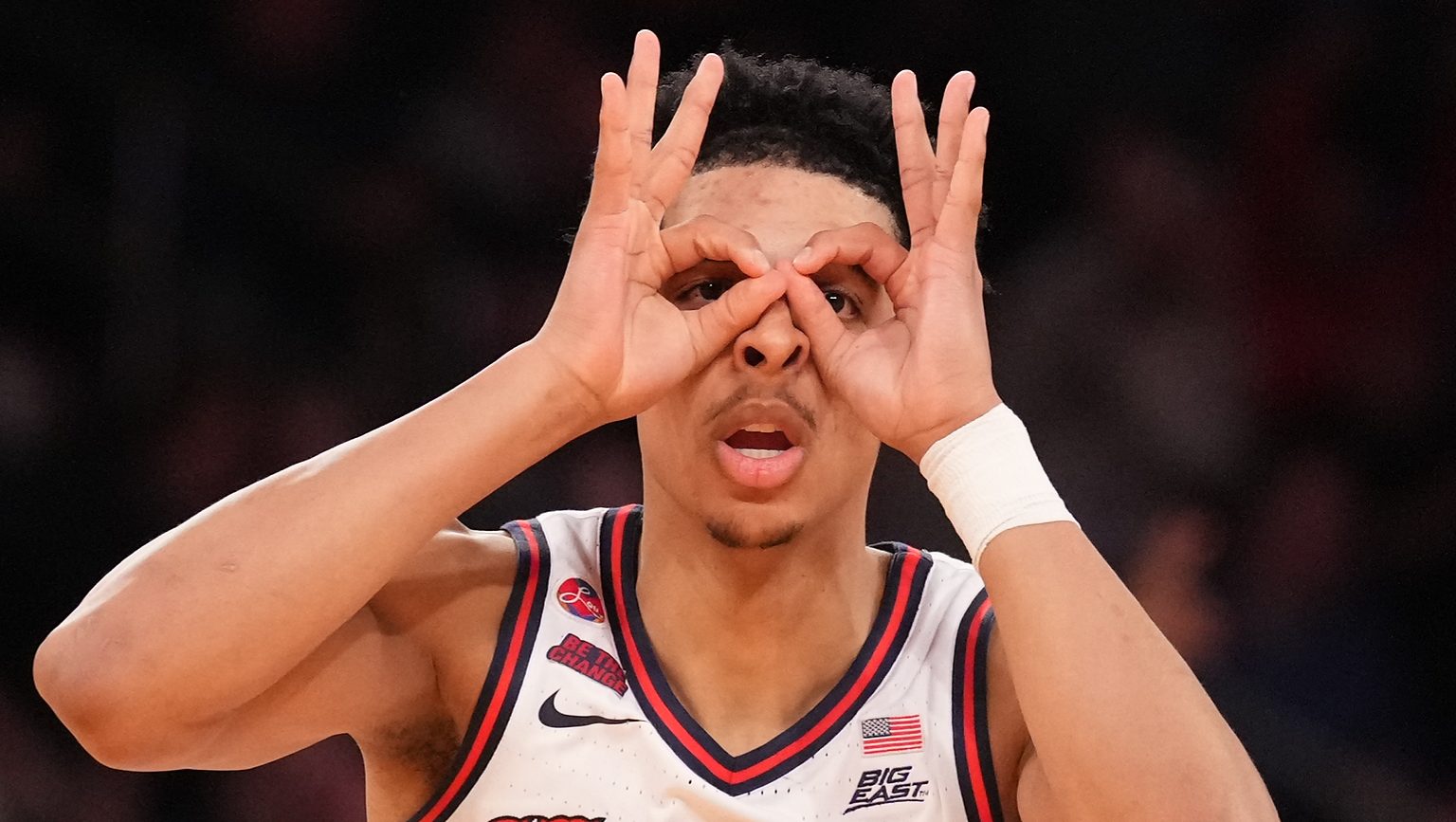
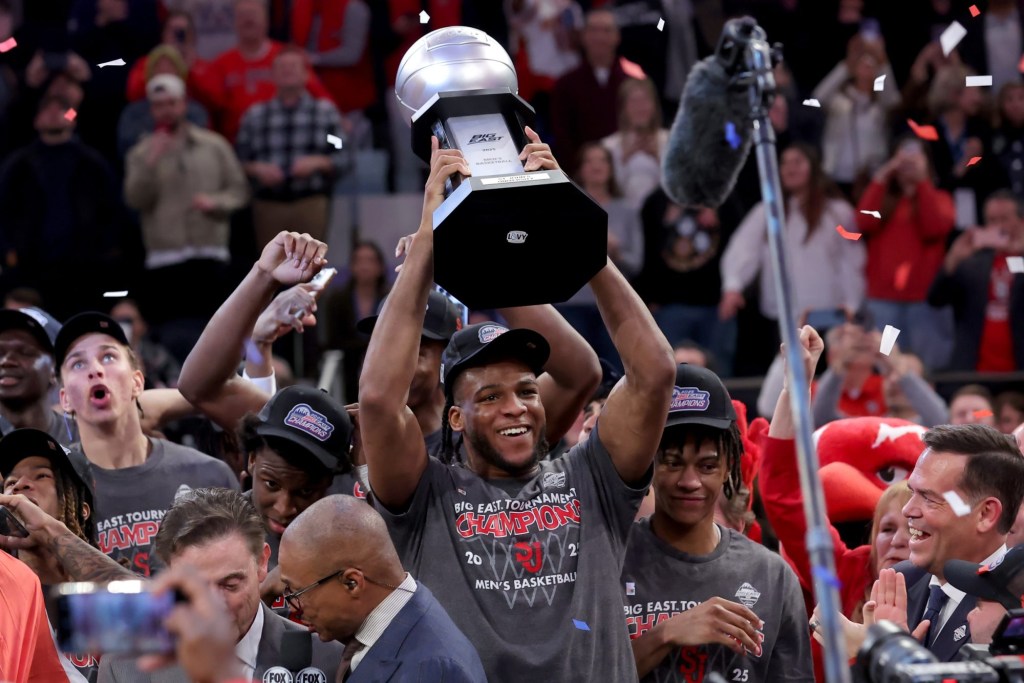
This year’s men’s March Madness is dominated in historic fashion by the SEC, but the story of the tournament in many ways is the resurgence of St. John’s, a long-downtrodden program that has dramatically returned to national prominence under coach Rick Pitino and billionaire booster Mike Repole.
Red Storm fans and backers in the school’s home state of New York, however, cannot bet on (or against) St. John’s in the tournament—a situation stemming from an existing prohibition on any sports betting on in-state colleges.
Sports betting across much of the U.S. continues to surge, and March Madness wagering this year is expected to reach $3.2 billion—a level more than double the $1.39 billion in activity surrounding last month’s Super Bowl LIX, a one-day event compared to the tournament’s nearly three-week run. The March Madness betting activity, however, will need to coexist with rules in 15 states that prohibit, at least to some agree, wagers on in-state colleges.
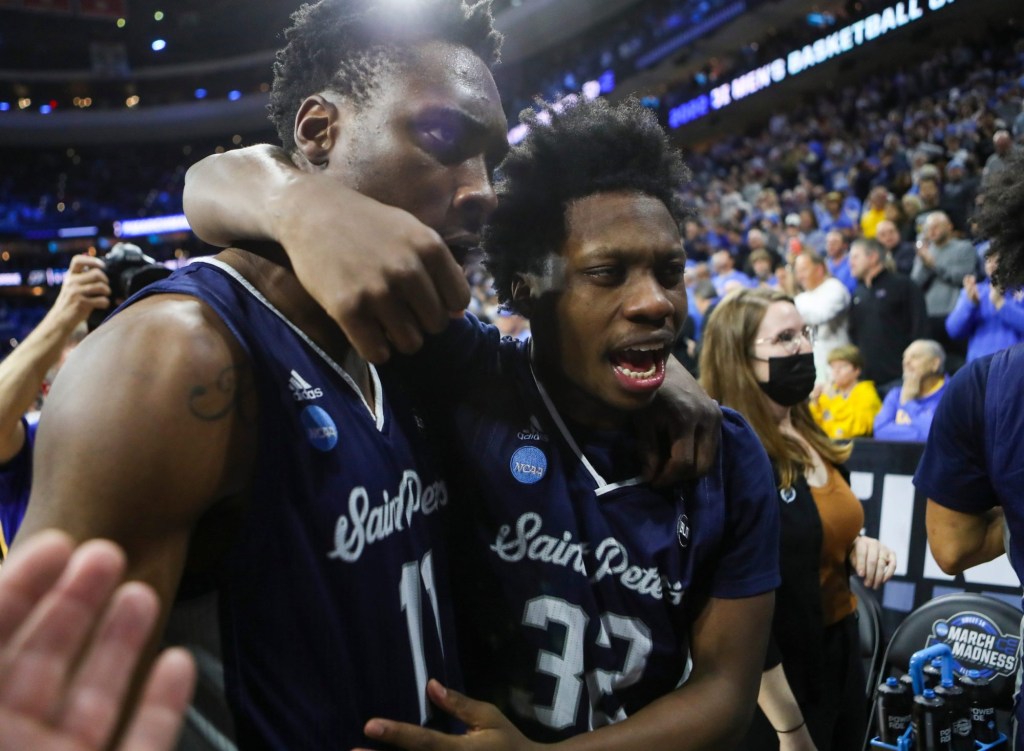
A similar situation emerged three years ago, when New Jersey–based Saint Peter’s unexpectedly advanced to the Elite Eight as a No. 15 seed. The in-state prohibitions, however, are now reaching arguably their most dramatic collision with St. John’s beginning March Madness as the No. 2 seed in the West region, the No. 7 favorite to win the national championship, and one of the top candidates to disrupt the SEC dominance.
The bans are also particularly salient given New York is the No. 1 state in the country for sports betting, while Illinois (No. 2) sent two schools to the tournament, and the fast-rising Virginia market sent three.
“We now have something of a patchwork landscape that’s evolved around the country,” James Kilsby, an analyst for Vixio, a betting regulatory provider, tells Front Office Sports. “While the matter is quite settled in some states, we’ve seen changes in some other areas, and some states are now finding greater nuance.”
The roots of the current situation, in many ways, lie in New Jersey and predate the landmark 2018 U.S. Supreme Court decision allowing individual states to set their own rules.
In 2011—years before the advent of NIL (name, image, and likeness) rights in college sports—New Jersey approved a nonbinding constitutional amendment that would permit sports gambling but prohibit wagers on in-state college sports. The state legislature then codified that into law the following year. Several sports leagues then sued to enjoin the New Jersey law, crucially helping set the stage for the U.S. Supreme Court ruling six years later.
The New Jersey move had two primary aims: to help create an initial legal framework for sports betting, and also to protect college athletes who state leaders saw as particularly vulnerable to the downsides of the industry and temptations from bad actors.
There’s plenty of local history on that latter point, as back in 1951, a massive point-shaving scandal involved CCNY and several other area schools. The widespread fallout included numerous arrests and bans from professional play, coach firings, suspensions, or downgrades of athletic programs, and it ultimately threatened the very existence of college basketball.
Within that protective mindset, though, New Jersey remained keenly interested in legal sports betting, and after the Supreme Court ruling, became a key early state to approve mobile sports betting.
As 38 states and the District of Columbia now have legal sports betting, many of them used New Jersey’s laws as a template to create their own—particularly in New York, which began mobile sports betting in 2022 after seeing its immediate neighbor initially claim national industry supremacy.
“New Jersey has definitely been the most influential when it comes to setting the table for regulations in this area,” Kilsby says. “And we’ve seen this strategy around in-state colleges adopted elsewhere where it’s helped ensure a smooth passage of the broader sports betting legislation.”
Major sportsbooks such as FanDuel and DraftKings, for their part, have called betting bans on in-state colleges “artificial barriers,” but generally have not lobbied heavily in this area. Instead, the operators have often preferred to focus their political energies on bigger-picture issues such as opening up entire new states.
There are some notable carveouts now, though, including in Connecticut and Massachusetts, which have similar bans on in-state colleges that are suspended for tournaments such as March Madness.
Several states have since had opportunities to revisit their bans on betting on in-state colleges, and have declined to change their rules. Most notably, voters in New Jersey soundly defeated in 2021 a proposed amendment to the state constitution to allow betting on in-state schools. The measure would have opened up bets for residents on schools such as Rutgers and Seton Hall—and notably would have allowed activity around Saint Peter’s subsequent Cinderella run—but voters rejected the proposal by 14 points.
Meanwhile, state officials and the NCAA are even more wary about the rise of prop bets. These wagers have quickly become a critical part of the overall sports betting market. Even in states where betting on in-state college sports is allowed, though, prop bets are frequently prohibited on in-stage colleges.
The NCAA, for its part, has been seeking a national-level ban on prop bets for college sports, beginning a full-scale lobbying effort last year to create a unified framework. There is a fair amount of agreement on the issue among state-level regulators, but the issue has not yet received a significant amount of attention at the federal level. Several major states, most notably New York, continue to offer their support in this area.
“As regulators of the largest sports-betting market in the United States,” wrote New York State Gaming Commission chair Brian O’Dwyer last year in a letter to NCAA president Charlie Baker,
“we continue to believe that the prohibition of college proposition betting on student-athletes is appropriate.”
Download the FOS App
The business of sports, in your pocket.



Scan the QR code to get the app now.