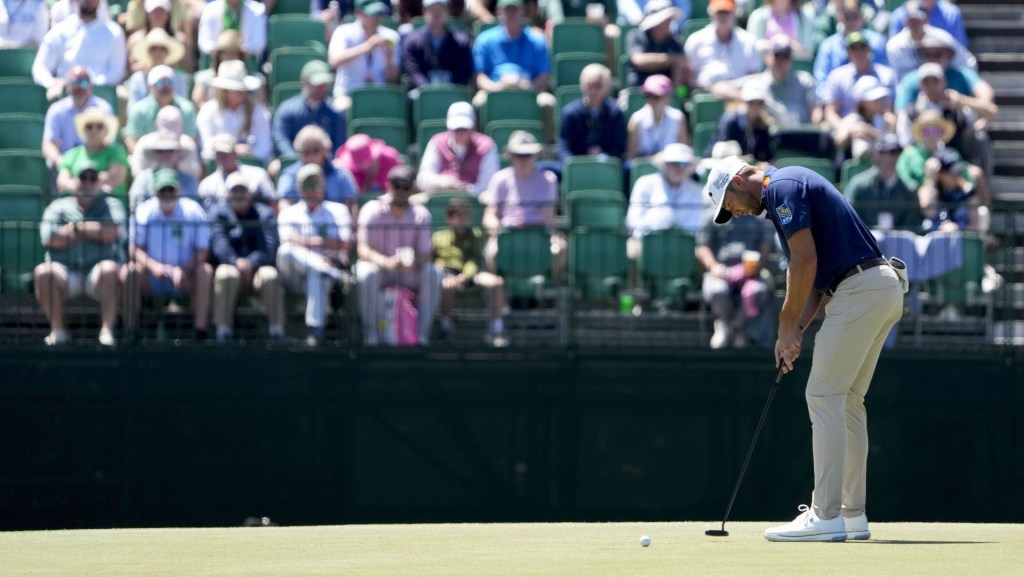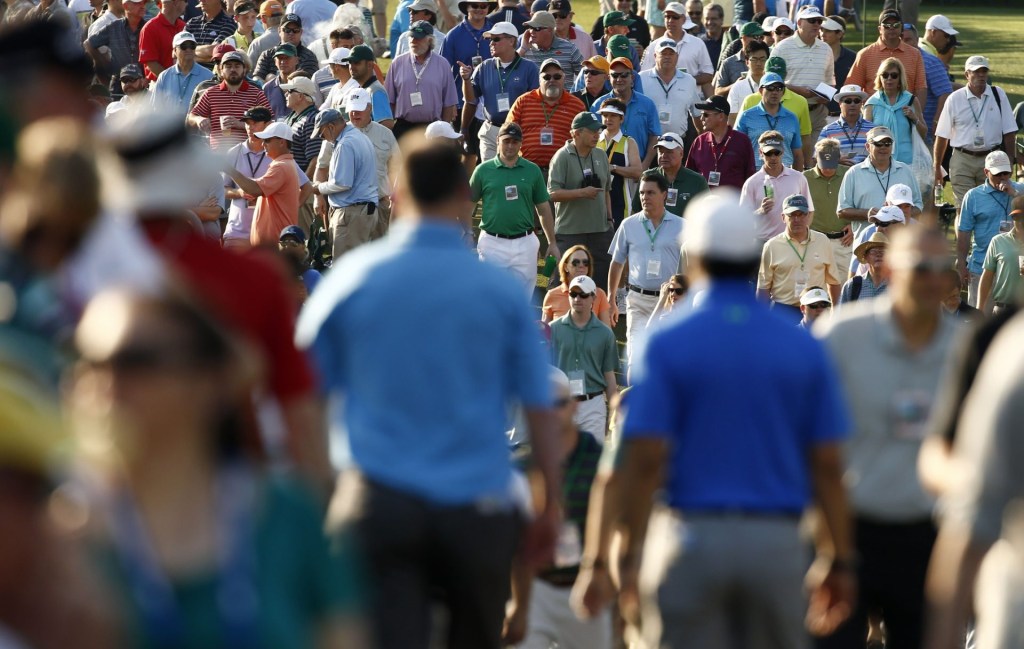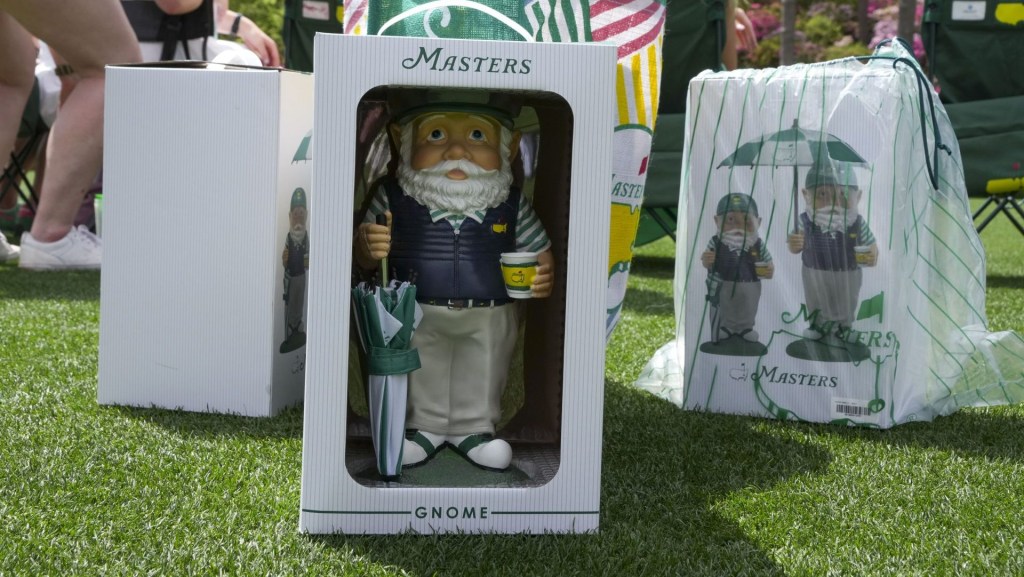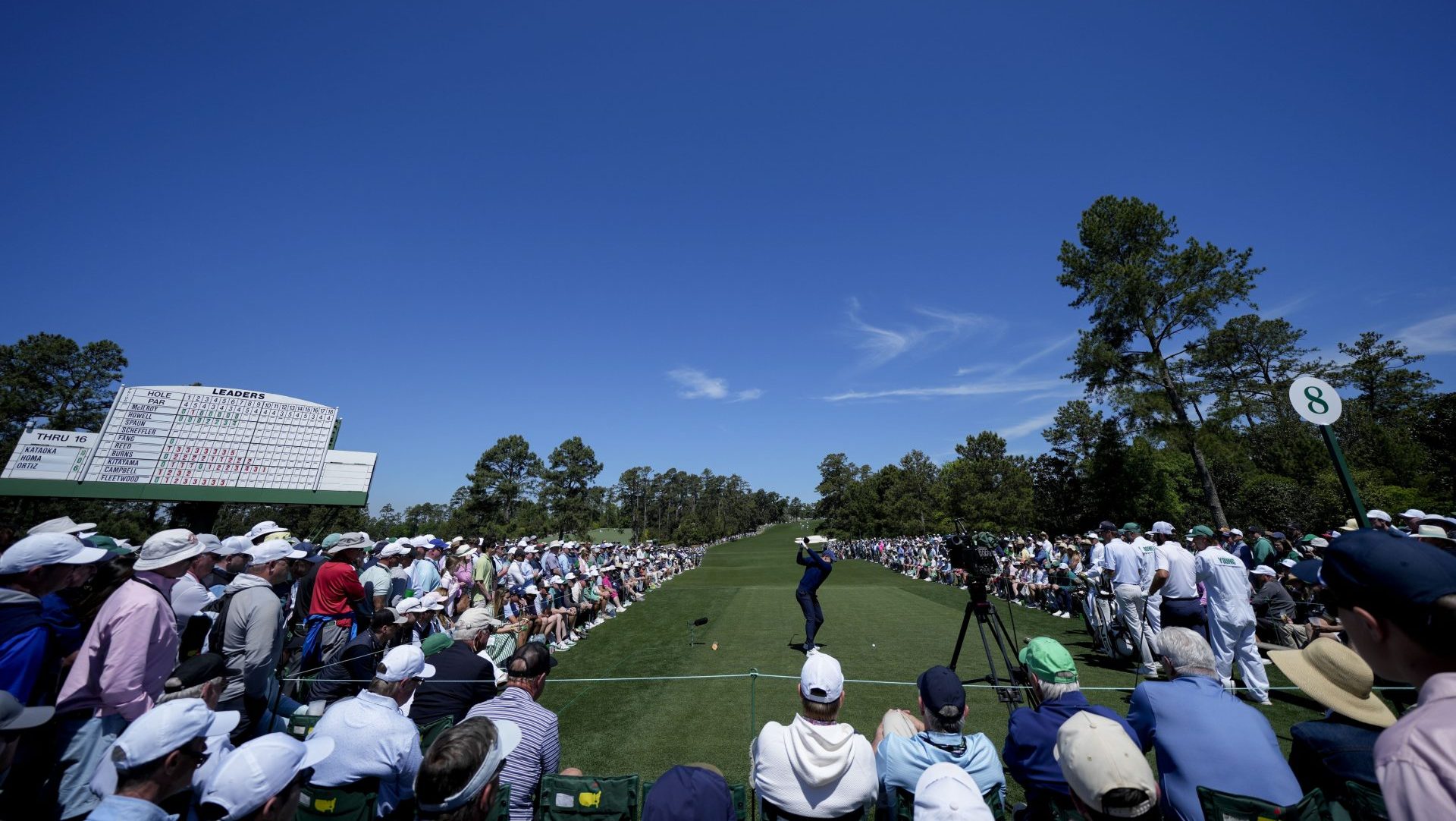
Augusta National Golf Club rules its media partners with an iron fist, insisting TV networks call spectators “patrons” and banishing announcers like Gary McCord and Jack Whitaker whose commentary they didn’t like.
So I think it was a wise move by Jeff Bezos’s Amazon Prime Video to play it safe in its first-ever coverage of the Masters Tournament on Thursday.
Consider:
- Unlike Netflix’s overstuffed and overwrought coverage of Major League Baseball’s Opening Day, Prime kept things simple in its Masters debut. Host Terry Gannon kept things on par in his opening by hailing the Masters as “A Tradition That Never Gets Old.” That was a nice, respectful nod to Jim Nantz of CBS Sports’s classic catchphrase, “A Tradition Unlike Any Other,” which he coined during his first Masters broadcast in 1986 and which the club trademarked in 2015.
- The stakes are high for Prime, which scored two exclusive hours of Masters coverage on Thursday-Friday from 1-3 p.m. ET. They’re only the fourth media partner in the tournament’s 90-year history, joining CBS, ESPN, and USA Network. The powerful private club’s newest media rights partner strived to make its coverage look and feel as familiar as possible. We had Alabama-born Hollywood star Walton Goggins delivering a folksy, Southern opening along the lines of Wright Thompson’s televised Masters essays for ESPN. Then Prime quickly cut to Gannon in the iconic Butler Cabin with the greatest Masters winner of all—Jack Nicklaus—who discussed his six Green Jacket victories. Like CBS and ESPN, it dutifully genuflected to Augusta’s history and bucolic beauty.
- You want familiarity? You got it. Many of the faces and voices of Prime’s coverage—including Nantz—came from the Masters TV partners. There were no shlocky tie-in’s to Prime’s lucrative e-commerce business. Instead, Prime adhered to the club’s strict broadcast rules, offering a clean, uncluttered picture.
- The usually noisy critics of golf TV were curiously silent about Prime’s Masters’ debut. That should be counted as a victory. ESPN, on the other hand, took heat from critics for shoehorning Jason Kelce and comedian Kevin Hart as celebrity caddies into its annual coverage of the Par 3 tournament on Wednesday. ESPN turned the charming tradition into “amateur hour,” according to The Hollywood Reporter. “No offense to Kelce, but his act just isn’t cute here,” wrote THR. TV viewers were nearly “unanimous” in their dislike of Kelce and Hart’s appearance, added Awful Announcing.
Augusta’s current chairman, Fred Ridley, issued one of the most memorable quotes of the tournament earlier this week when he said he regretted allowing Dude Perfect to throw frisbees around the fabled Amen Corner a few years ago.
“In retrospect, I like those guys, but that may not have been the best idea,” he said. “But it does point out that we try things every once in a while that are a little bit nontraditional. So we’ll continue to look at things.”
Ridley’s being diplomatic. But some of his predecessors have shown no compunctions about ordering a Code Red on announcers—and TV commentary—they don’t like. Behind the blooming azaleas, towering Georgia pines, and flowering dogwoods lies a powerful private club that insists on total control over how media partners present it to the masses.
Back in 1994, for example, CBS dumped McCord from its coverage after he joked about Augusta “bikini-waxing” its lightning-fast greens. In 2024, McCord recalled how his network threw him under the bus in an interview with Front Office Sports. “They go, ‘You’re out. Gone.”
In 1966, the late Whitaker was banned after describing a Masters crowd as a “mob” on the air. He was cast into the Georgia wilderness for six years before finally returning to Magnolia Lane.
At the same time, Masters coverage can turn sports TV unknowns into superstars while elevating already established stars. At age 26, Nantz was launched into the stratosphere for his famous call of Nicklaus’s birdie on No 16 at the 1986 Masters. “And there’s no doubt about it. The Bear has come out of hibernation,” intoned Nantz, who’s now aiming to call 50 Masters before he retires. During that same tournament, Verne Lundquist went down in Masters lore for his “Maybe…Yes Sir” call of Nicklaus’ birdie on No. 17. Lundquist proceeded to lord like a pasha over the TV tower on No. 16 for the next 40 years.