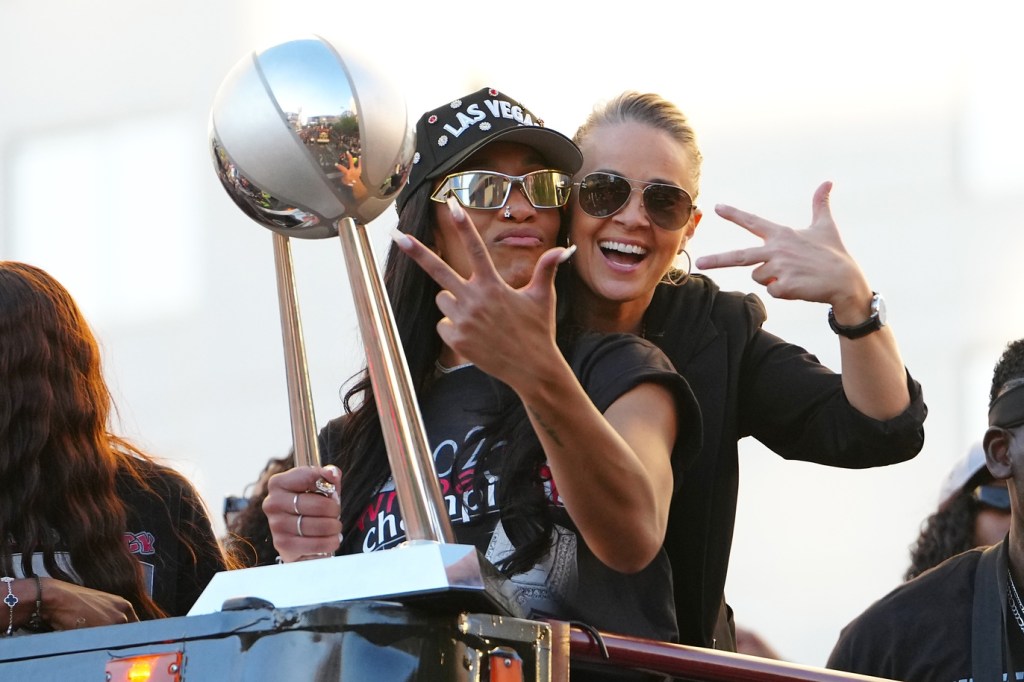
The WNBA and WNBPA have been negotiating a collective bargaining agreement for more than a year and are now eight days out from the league’s latest deadline: March 10, after which the league says the season faces delays.
In recent days, the players’ tone has shifted. Multiple members of the union’s executive committee spoke to reporters in Brooklyn on Monday ahead of the Unrivaled semifinals.
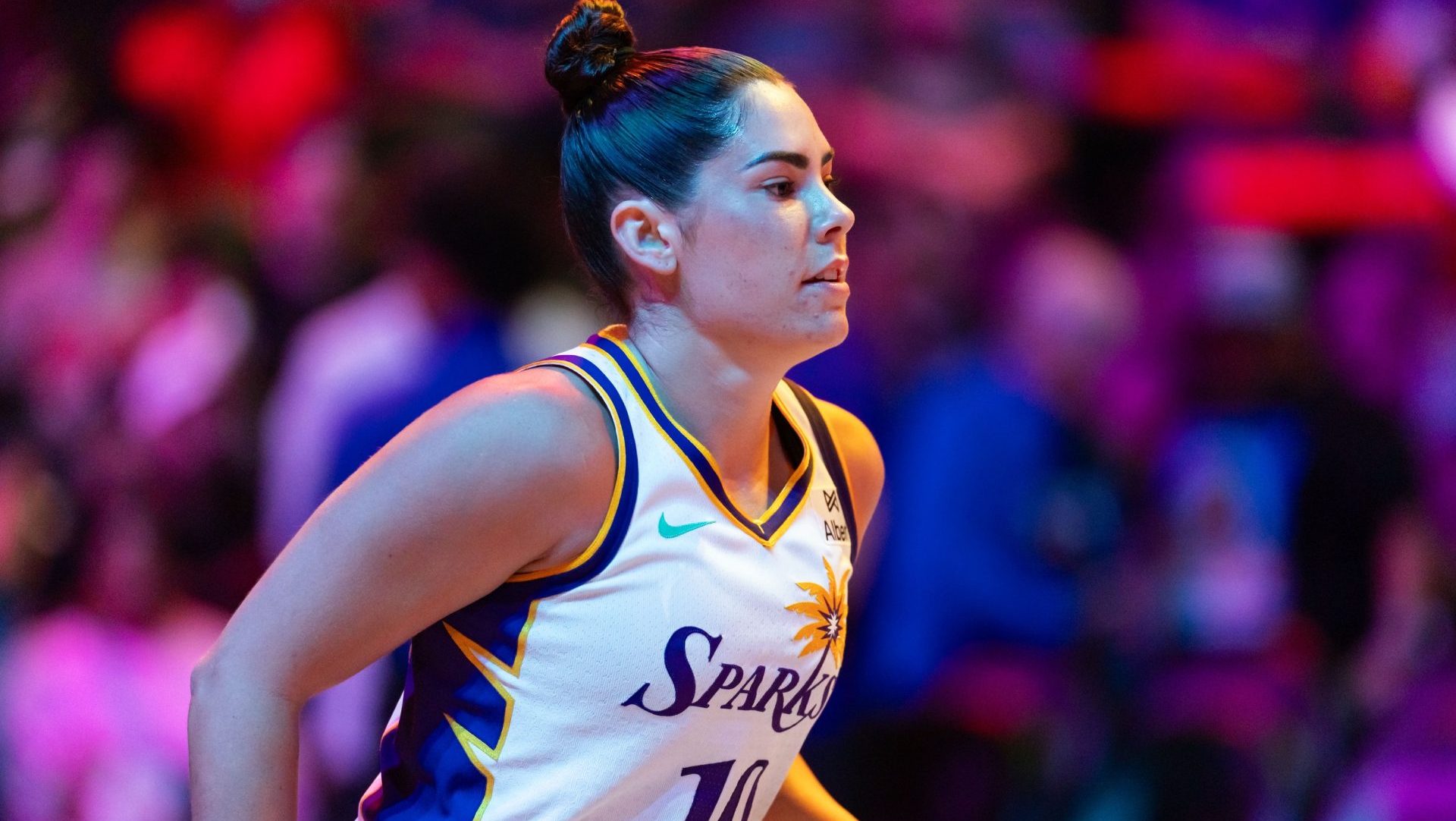
“I want to play and players want to play,” WNBPA first vice president Kelsey Plum said. “We’re going to continue to negotiate and do everything we can to get this done in a timely fashion. But obviously a strike would be the worst thing for both sides because we are in a revenue share, so no revenue, no revenue to share.”
The union authorized a strike in December in a near-unanimous vote, but players have grown less aligned on the matter in the months since.
“I agree with Plum,” WNBPA vice president Breanna Stewart said. “While we still are fighting for a lot of different things, we have to realize that the rev share is a win.”
Stewart went on to say that no deal currently on the table is ready to be voted on for approval and that negotiations are still necessary.
The league made a new proposal to the union Sunday night with a slight bump to the salary cap—from $5.65 million to $5.75 million—according to sources familiar with negotiations. The league did not move on its revenue-sharing proposal. That percentage will increase over the life of the deal, which multiple sources have said is an eight-year term with an opt-out after the seventh year.
Both sides have found alignment on sharing revenue, but they differ on the percentage and whether the number is calculated from net or gross revenue. The players started off by seeking 40% of the league’s gross revenue and have come down to 26% over the life of the deal. The league’s offer amounts to less than 15% of total revenue, based on the WNBA’s revenue projections.
The league made no adjustments to its previous housing proposal, which offered all players team-provided housing in the labor deal’s first year. In 2027, team-provided housing would be available to only “developmental players,” rookies, and those signed to the league minimum. In 2028, only developmental players would be provided housing.
Additionally, the league’s latest proposal includes conditions that would allow younger players to earn a max salary faster than would be possible under the current rookie scale contracts. Any player on a rookie contract selected to the first or second All-WNBA team would be eligible for a max contract in their fourth year, and if signed to that extension, they would not be eligible to be cored.
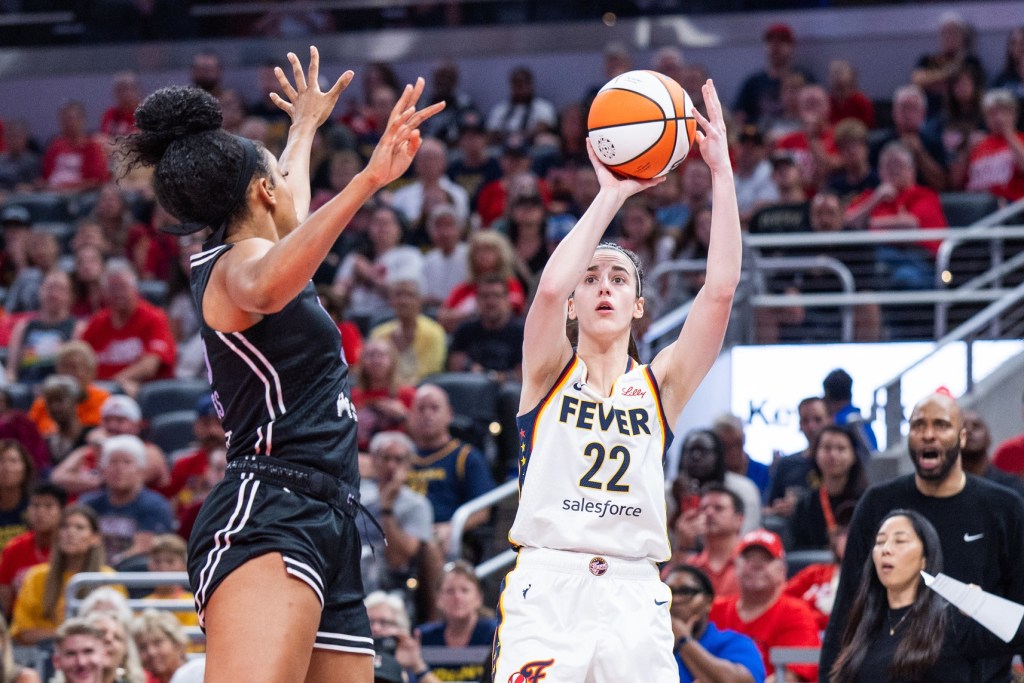
For example, Caitlin Clark—who was selected to the 2024 All-WNBA first team—would be eligible to earn the standard maximum contract in 2027.
Similarly, a player on a rookie contract who wins MVP would be eligible for the supermax in their fourth year and if signed to that extension, the core would be unavailable for them. A’ja Wilson, who was named MVP in the third year of her rookie contract in 2020, would have been eligible for the supermax in 2021.
As previously reported by Front Office Sports, the supermax would amount to 20% of the salary cap, and the standard max would be roughly 17.5%.
Both sides have been negotiating for more than a year after the WNBPA opted out of the current CBA in October 2024. The first CBA deadline passed on Oct. 31, 2025; both sides then agreed to two separate extensions before negotiations entered a period of status quo in January. The year began with a six-week stalemate as the union awaited a response from the league to a late-December proposal. In recent weeks, though, the rate at which the sides have exchanged proposals has picked up substantially.
Plum and Stewart represent a collection of players with a belief that striking is not in their best interest. However, during a tense meeting between players last Tuesday, more than half of player leadership reaffirmed their commitment to striking if necessary, according to sources present.
On Monday, WNBPA vice president Alysha Clark posted on Threads that, “a strike is still very much on the table.”
A collection of agents representing an array of players across the league sent a letter to WNBPA executive director Terri Carmichael Jackson on Thursday, asking to review the league’s proposals subject to non-disclosure agreements. Multiple players said they supported the agents’ request.
“They want to be looped in because they want to be able to make sure that their players are as informed as possible,” Stewart said.
“Agents should,” Brittney Griner said. “The ones that want to sign the NDAs and do it the right way, not leak things and actually just want to help give some guidance to their players, yes, I think they should be able to.”


![[US, Mexico & Canada customers only] Feb 5, 2026; Riyadh, SAUDI ARABIA; Sergio Garcia in action during the second round of play at LIV Golf Riyadh at the Riyadh Golf Club.](https://frontofficesports.com/wp-content/uploads/2026/03/USATSI_28164468_168416386_lowres.jpg?quality=100&w=1024)