The NFL’s playoff seeding structure—and the value of competing late in the year—is coming into focus as the regular season concludes.
While an entertaining Week 18 slate includes several pivotal matchups that should make for good TV, not every postseason-bound team is putting its best foot forward.
The Chargers will rest quarterback Justin Herbert against the Broncos, opting to start backup Trey Lance instead. Los Angeles is not locked into a playoff seed in the AFC, and it could end up anywhere between No. 5 and No. 7. Denver, already having clinched the AFC West, can earn the conference’s top seed with a win.
The winner of the AFC North—either the Steelers (9–7) or Ravens (8–8)—will have a worse record than all three AFC wild-card teams, and host a wild-card game. That’s also the case in the NFC for the eventual winner of the NFC South, either the Panthers (8–8) or Buccaneers (7–9).
Meanwhile, the Packers are locked in to the NFC’s No. 7 seed.
Seeding Strategy
Last offseason, a proposal to alter the NFL’s playoff seeding system had some support from commissioner Roger Goodell.
The rule change, which was ultimately tabled, would have eliminated guaranteed home games for division champions and instead seeded conference playoff participants strictly on win-loss records.
“The question is at some point, if you’re not .500 or better, do you deserve the ability to have a home game, too? I think that’s pretty hard to argue,” Goodell said in April.
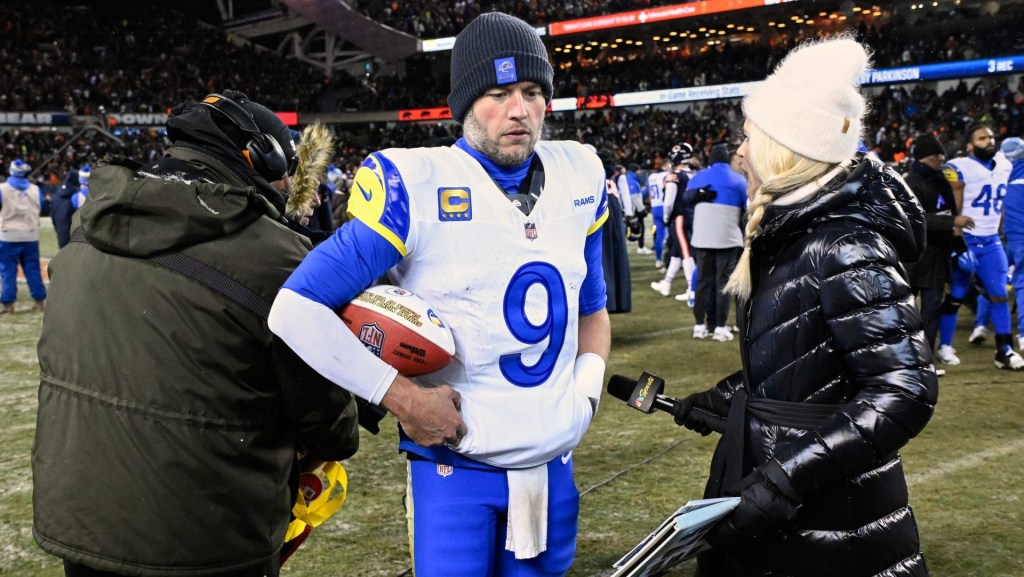
Last season, the Rams rested many starters in their regular-season finale, despite not yet being locked in to a playoff seed. As the NFL considers expanding the regular season to 18 games, Goodell and other league officials likely will be focused on making sure late-season games still have importance.
NFL owners will next meet in March and again in May, when they could take another look at changing playoff seeding or any other league rules.