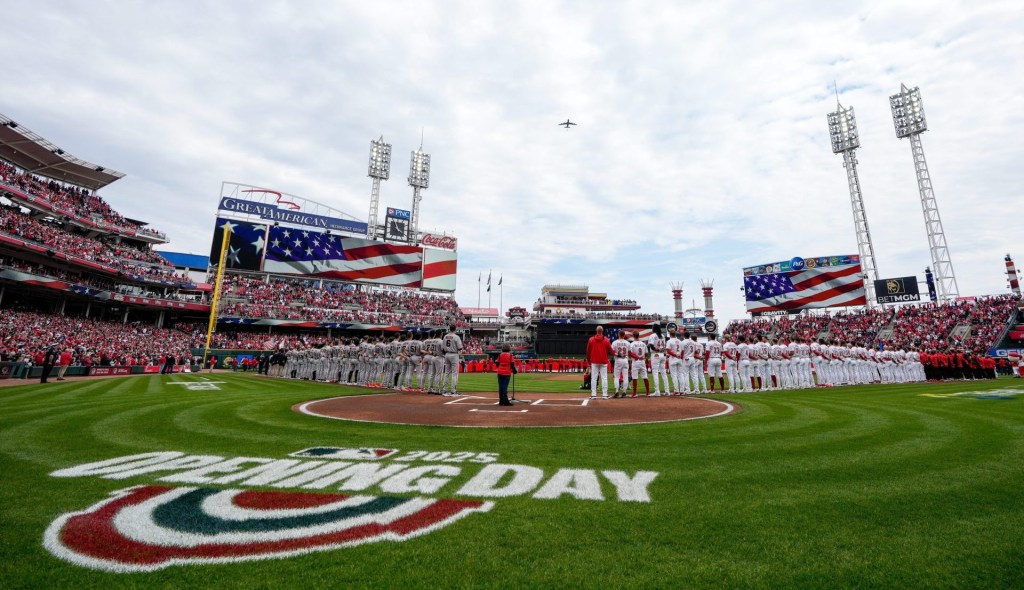
Potential confusion for baseball fans begins Wednesday night with the season-opening broadcast of the Yankees and Giants on Netflix. The game is also a fundamental component of the league’s strategy to nationalize its media business as much as possible.
The Netflix game from Oracle Park is one of three MLB broadcasts to be aired this season on the streamer, including the Home Run Derby and Fields of Dreams game. It’s also one of three new media deals for the league going into effect this season, joining a pact with NBC Sports and a dramatically reworked agreement with ESPN that includes distribution of the MLB.TV out-of-market package.
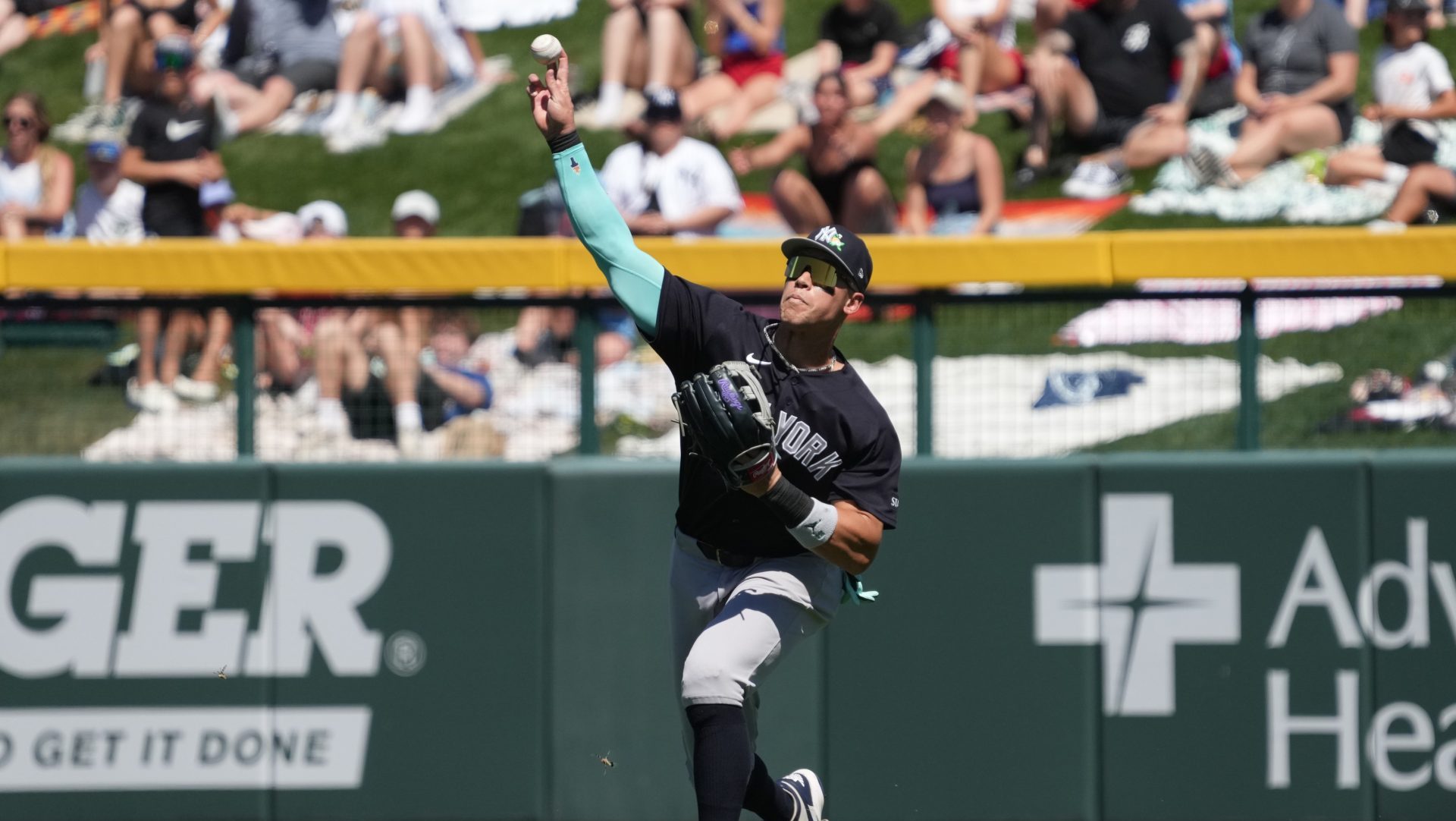
Combined with the league’s other existing national media deals, and ones individual teams have locally, some teams will be aired on at least a dozen different outlets in 2026. Consider the Yankees, whose distribution this season will include the YES Network, Amazon Prime Video, NBC, Peacock, ESPN, ABC, Fox, FS1, TBS, Apple TV, and Netflix, in addition to non-exclusive coverage on the MLB Network and the local outlets of the team’s opponents.
“Watching your favorite team play isn’t as easy these [days]. Many games are still on broadcast, but an increasing number are on a range of different online platforms,” said Federal Communications Commission chairman Brendan Carr in a social media post last month. Carr has taken an active interest in many sports-related matters, including ones involving the YES Network, and has initiated a public inquiry into the increasing fragmentation in sports broadcasting.
In part responding to this accelerating dynamic, MLB has created a new web page, MLB.com/Watch, devoted to directing fans to the outlets carrying each game.
That will be particularly salient in the season’s first week, which will include the debut MLB broadcasts for Netflix and NBC in these new rights deals, the return of Fox, TBS, and Apple in their existing pacts, and six non-exclusive games shown nationally on the MLB Network.
“Discoverability is really going to be important going forward,” MLB commissioner Rob Manfred said last fall at the Front Office Sports Tuned In media summit.
Building the Brand
Despite the channel confusion, as well as the extra costs that will be borne by fans to watch, the additional outlets that are MLB rights holders this year advance the long-term nationalization goal held by Manfred.
In Manfred’s final stretch in the post before his January 2029 retirement, he intends to rework MLB’s media business so it more closely resembles the NFL’s nationally oriented approach. The key inflection point of that plan arrives in 2028, when all of MLB’s current national rights deals expire and when Manfred intends to blend that inventory with local rights in new ways.
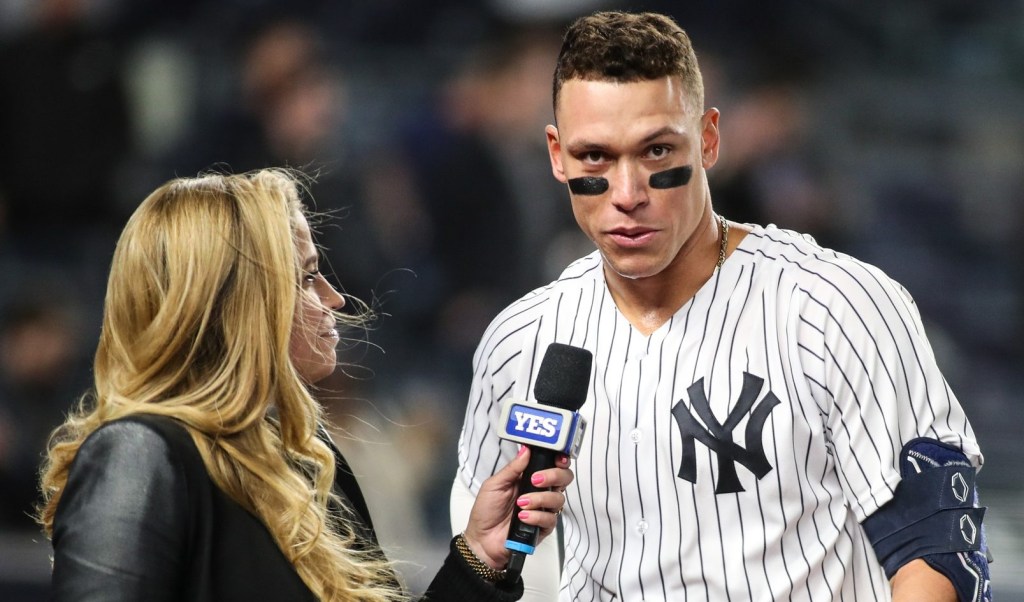
There are several potential benefits in that strategy. Among them is reducing the fiscal differences between high-revenue clubs such as the Dodgers and Yankees and low-revenue ones like the Marlins, and continuing to give star players a wider platform to become national stars on a scale similar to Shohei Ohtani or Aaron Judge. Of course, that’s easier said than done—particularly aggregating local rights held by large-revenue clubs. But the broader mission remains in place, and is already starting to show results.
“We’re going to the market with maximum flexibility to put the pieces together in a way that gives you reach and enhances the popularity of the sport long-term, but also enhances the economics that you need to keep the sport growing from a revenue perspective,” Manfred said. “There will be more games available in national packages, that is my bet.”




![[US, Mexico & Canada customers only] Feb 5, 2026; Riyadh, SAUDI ARABIA; Sergio Garcia in action during the second round of play at LIV Golf Riyadh at the Riyadh Golf Club.](https://frontofficesports.com/wp-content/uploads/2026/03/USATSI_28164468_168416386_lowres.jpg?quality=100&w=1024)