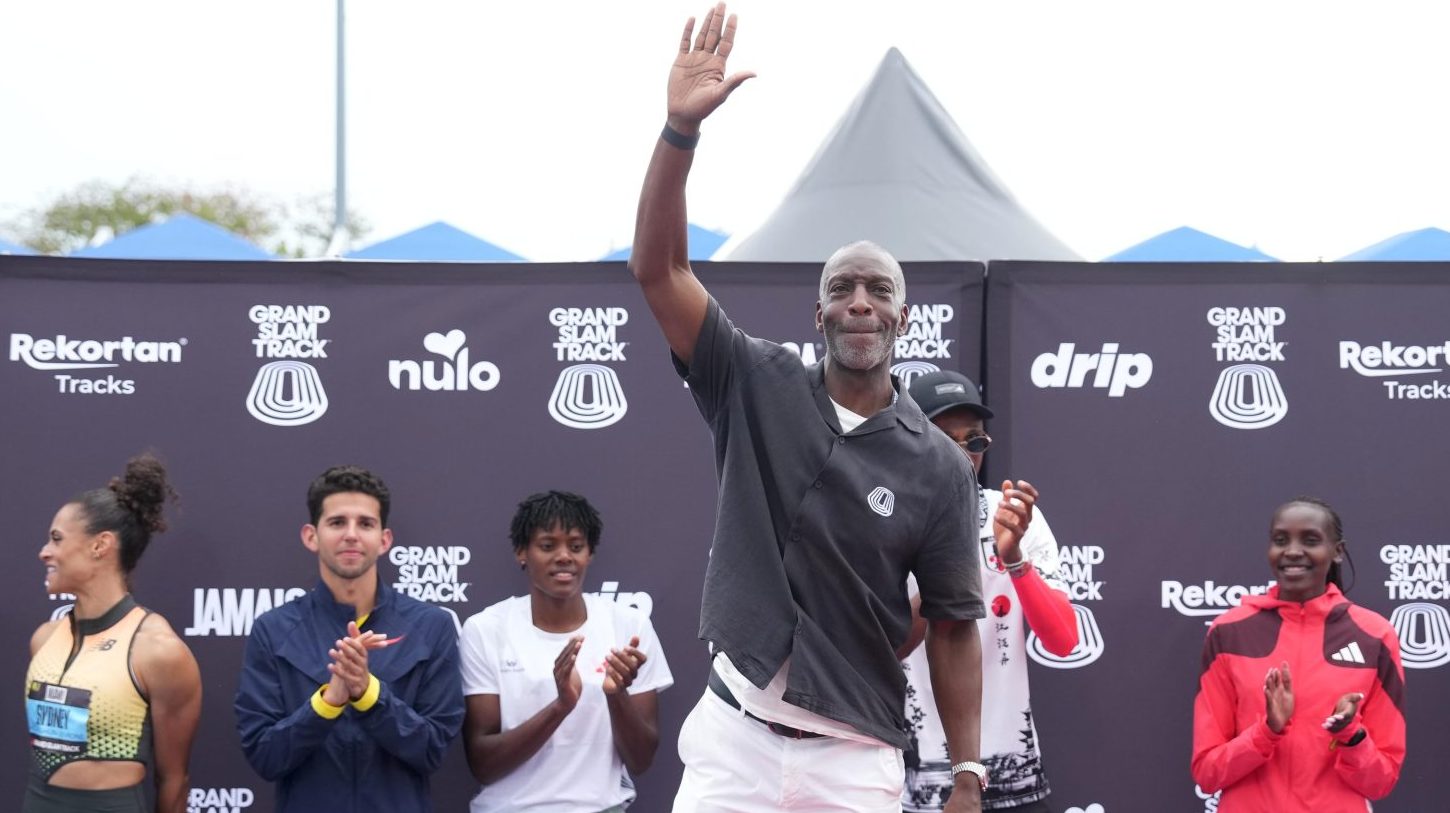
Grand Slam Track reached a deal with a group of vendors who wanted to sue the bankrupt league to recover their debts, a court filing on Monday showed.
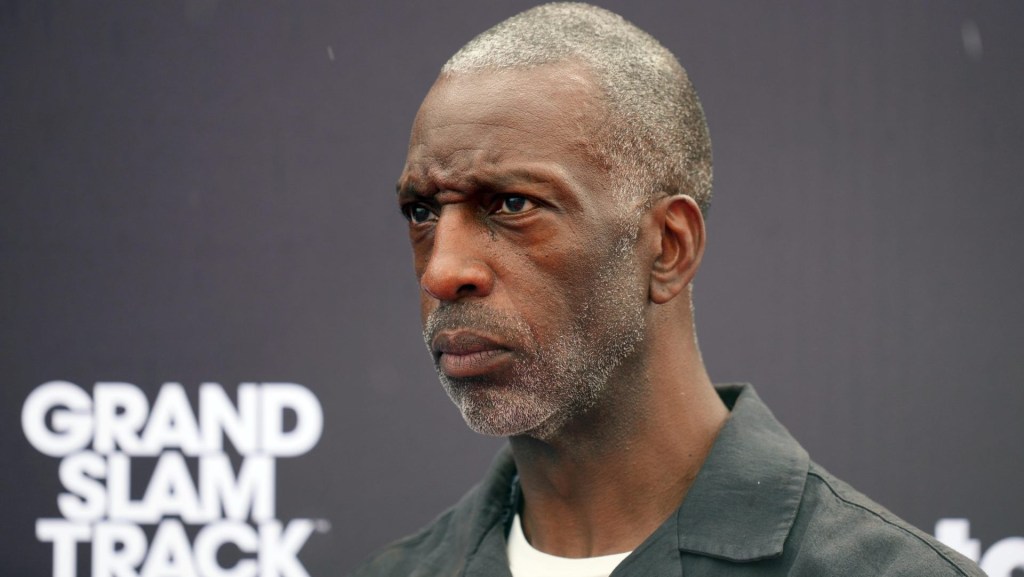
As part of the deal, league founder and Olympic champion Michael Johnson will return a $500,000 payment he took from the league in June 2025. The creditors’ committee claimed this payment was fraudulent, which Johnson “disputes,” the new filing says.
In Monday’s filing, Grand Slam agreed to amend its original plan to get out of bankruptcy, which would’ve stiffed most vendors—paying them back just 1.5%—but paid back 85% of the $7 million athletes were owed. Following a “consensual resolution” reached with the creditors’ committee, the league now says it will pay athletes back about 70% of what they are owed, while most vendors will get back about 14% to 15% of what they’re owed.
The deal still needs final approval from the judge and other classes of creditors, including the athletes. A court hearing is scheduled for next month.
A Grand Slam Track spokesperson said that the move was aimed at settling a deal with creditors and not an admission of impropriety.
“While Mr. Johnson has been clear that the $500k was a reimbursement and not a payment, to avoid disruption and continue moving forward he and Winners Alliance have agreed to fund the $500k to the plan so that all creditors can benefit and receive a greater distribution in connection with the company’s reorganization and efforts to resurrect the league,” the spokesperson said in a statement.
Attorneys for the creditors’ committee did not immediately respond to a request for comment. Winners Alliance declined to comment.
The filing comes shortly after a hearing on March 12 during which the judge said she had approved plans like this before and disagreed with the creditors that the plan was “unconfirmable.” Earlier that day, Grand Slam submitted similarly worded letters from athletes Melissa Jefferson-Wooden, Kenny Bednarek, and Freddie Crittenden III, all of whom said they supported Grand Slam’s original plan and would be open to competing in the league again.
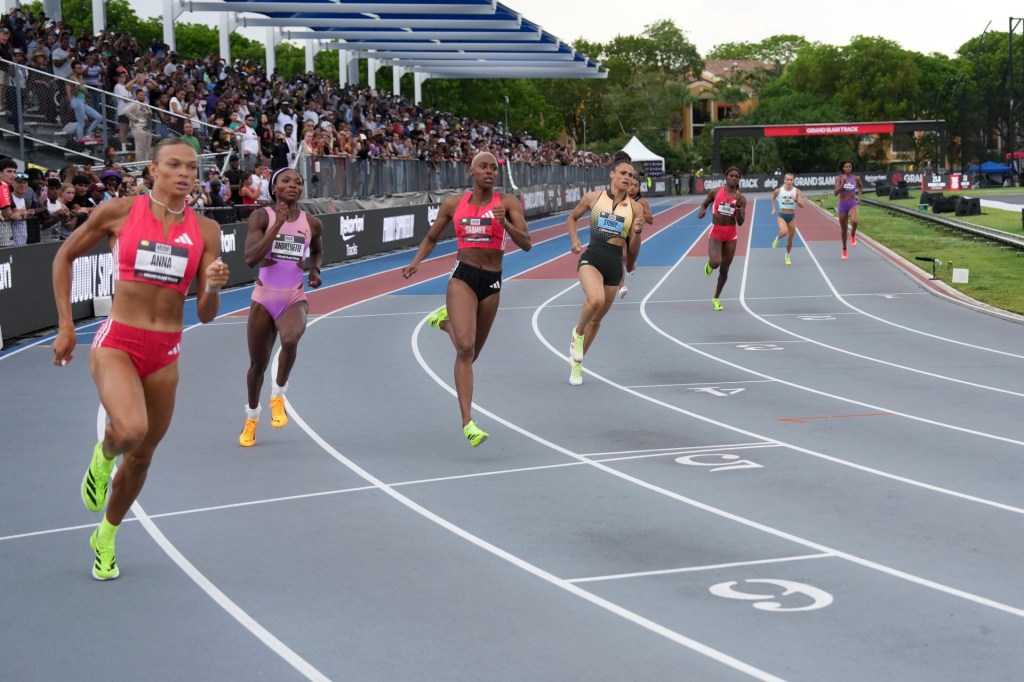
Johnson’s track league filed for bankruptcy in December after failing to pay athletes and vendors from its three-event series last spring. Court filings have revealed that Grand Slam did not have enough money in the bank to pay prize money and costs for its events in Kingston, Miami, and Philadelphia, but it charged ahead anyway, racking up more than $40 million in debt while earning less than $2 million in revenue in 2025. Winners Alliance, the commercial arm of the Professional Tennis Players Association, has financially backed Grand Slam from its inception, and it continues to do so amid the bankruptcy. The group is chaired by hedge fund billionaire Bill Ackman.
Grand Slam still owes athletes about $7 million, and under the terms of the newly proposed plan, it would repay them roughly $4.9 million. That’s about $1.1 million less than the league originally wanted to pay them as “critical” creditors. The league says it wants to return in 2026, and therefore needs the athletes to do so.
The biggest change is for the vendors, the majority of whom were set to split just $200,000 under the original proposal, despite being collectively owed nearly $13 million. The creditors will now share about $1.8 million, the new filing says, which includes the $500,000 from Johnson.
Tensions have been rising between the two sides as the three-member creditors’ committee—led by a public relations firm, a production company, and a graphics company—fought to regain a bigger share of the pie. Earlier this month, the committee said the league has shown “shocking levels of incompetence,” and later requested the judge’s approval to file a $25 million lawsuit against Grand Slam and Winners Alliance. The creditors claimed Johnson sent himself the $500,000 “without proper Board approval or justification” around the time Grand Slam canceled the Los Angeles event because it ran out of money.
Grand Slam said the claim that Johnson’s $500,000 payment was fraudulent was “unfounded and false,” while Winners Alliance said the creditors’ stance “defies common sense.”
If approved by the judge, Grand Slam will skip over (for the time being) the roughly $5 million in secured claims that it owes to Winners Alliance, and pay about $34,000 in “priority non-tax claims,” roughly $4.9 million to athletes, about $70,000 to “critical vendors”—including World Athletics, the U.S. Anti-Doping Agency, and two music companies—and roughly $1.8 million to the remaining vendors. No money will go to creditors from a new category called “subordinated claims,” made up of claims from people connected to Grand Slam and Winners Alliance.