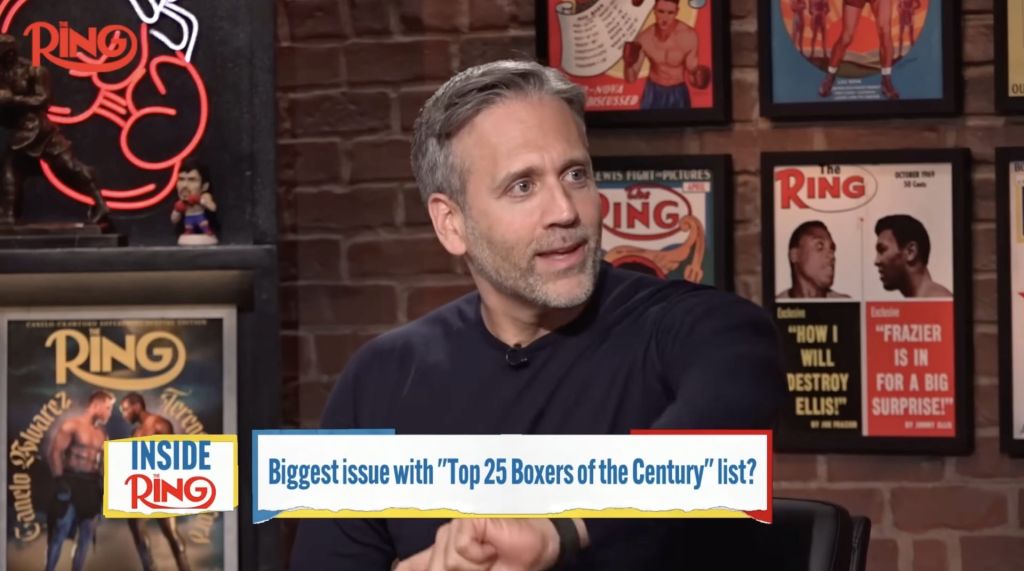
Max Kellerman, LeSean McCoy Off DAZN Boxing Show As Mario Lopez Joins
Want more from Front Office Sports
in your search results?
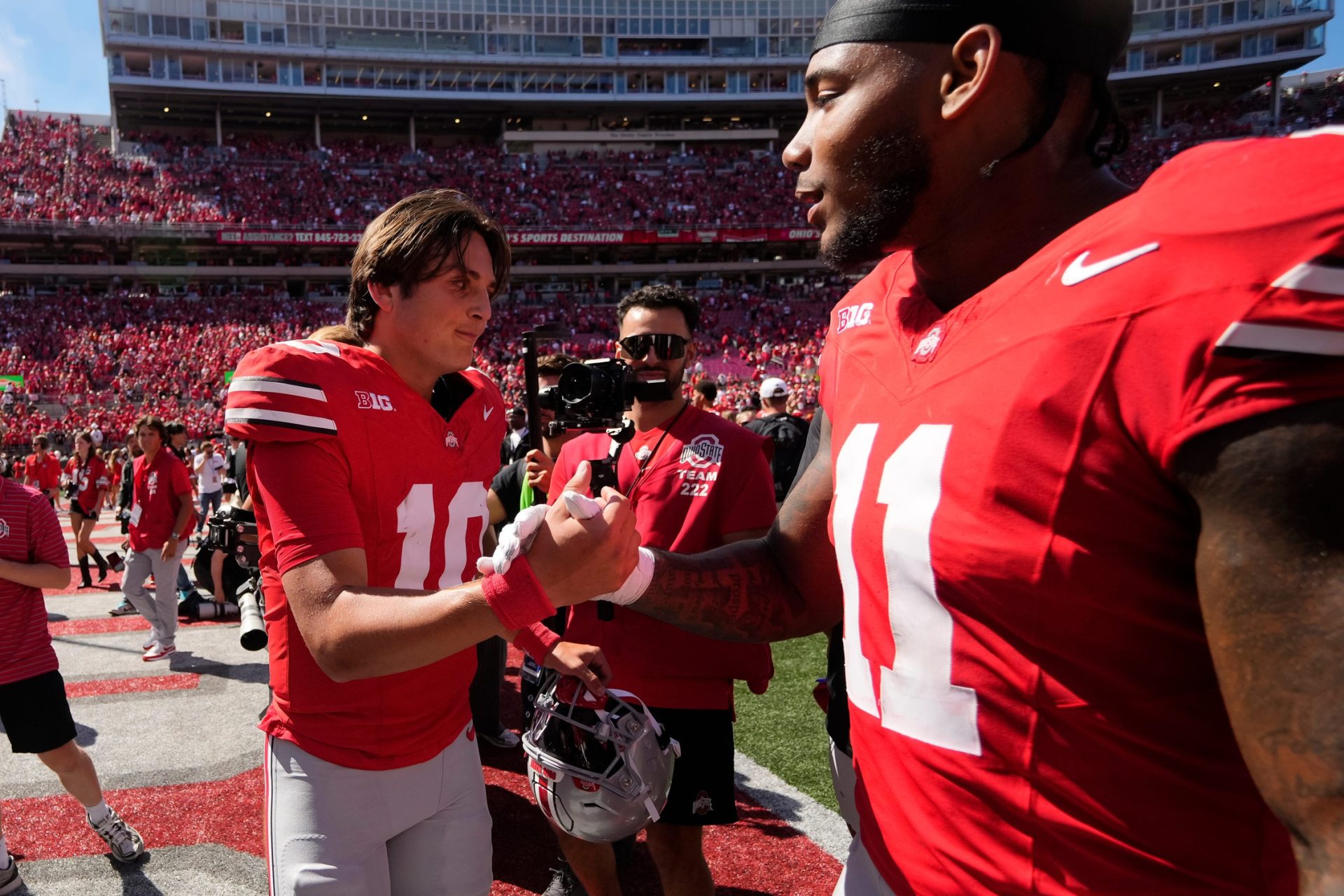
Last year, the Ohio State Buckeyes deployed a winning NIL (name, image, and likeness) strategy in football: They reportedly spent $20 million on both retaining current players and recruiting new ones. The investment paid off in the biggest way: a national championship.
But this season, the Buckeyes—as well as the rest of the country—had to rethink that approach thanks to the House v. NCAA settlement, which allowed for revenue-sharing between schools and players but also imposed new restrictions.
To get out in front of the new rules, Ohio State made a move that would have seemed unthinkable just a year or two ago. It effectively shut down the most successful NIL collectives and created in their place a new entity to satisfy the terms of the House settlement: Buckeye Sports Group.
“The philosophy on NIL is: Embrace it at the highest level,” Ohio State athletic director Ross Bjork said on Front Office Sports Today this week. “Be as aggressive as you can be given your environment.”
The House v. NCAA settlement, approved in June, created a new system of revenue-sharing, which allows schools to deploy up to $20.5 million in revenue across their athletic department. But it also scrutinized NIL deals more heavily: Every deal over $600 would be submitted to a new clearinghouse (called NIL Go) to ensure the deal reflected fair-market value, rather than just pay-for-play in disguise.
The biggest concern was how NIL collectives, groups of donors, and boosters that pooled donations and resources could operate legally in this new environment.
In the months leading up to the settlement’s approval, athletic departments nationwide explored different strategies for how to readjust their collectives—or, in some cases, kill them or fold them into athletic departments. (They also engaged in a process of “front-loading” third-party NIL deals, executing contracts with players and paying them in full before the clearinghouse opened.)
For many, it was a guessing game. But very few athletic directors understood those rules better than Bjork, given he served on a committee of ADs charged with implementing the House settlement rules. (He told FOS this week that the committee still meets in a certain capacity now, and it is looking into ways to continue to advise the new enforcement entity, the College Sports Commission, in the future.)
“Everybody has the same ability to go up to the $20.5 million, right? Everybody has that same number,” Bjork said. “And then the next race in this space: How do we create as many third-party NIL opportunities as possible, so above the cap, that will pass NIL Go?”
On June 9, just three days after the settlement was approved, Ohio State announced the creation of a new NIL initiative called Buckeye Sports Group. The group would do far more than just offer NIL support—it would source deals for athletes both with existing sponsors and outside parties with the help of Learfield.
Buckeye Sports Group “consolidated” the school’s two main NIL collectives, THE Foundation and The 1870 Society, under its umbrella. That meant redeploying existing marketing resources under the Buckeye Sports Group, handing over all existing NIL contracts to Buckeye Sports Group, and inviting the founders and board members of the organizations to serve as advisers. The group also took over the subscriptions to content created by THE Foundation and donations offered by THE Foundation.
Technically, the collectives would live on as part of Buckeye Sports Group. But THE Foundation’s announcement looked much more like a farewell to fans: “What we created over the past three years will never be forgotten,” the collective said in a statement in June about its transition. “When NIL launched, we came in as the first collective and helped ensure Ohio State football and basketball were at the forefront.”
Buckeye Sports Group was supposed to allow athletes to satisfy all of the new compliance requirements while still being competitive from a recruiting standpoint.
“We can now help our athletes really serve as a marketing agency to go out and source opportunities—whether it’s corporate opportunities, whether it’s local opportunities, whether it’s social media opportunities—that’s going to be the next race,” Bjork said. “So what we have to do at Ohio State—and everybody’s doing the same thing—is go all in on that, be able to embrace that, be able to capitalize in your community and your corporate setting and your statewide setting.”
Yet despite Bjork’s proximity to the Implementation Committee, even the Buckeyes weren’t immune to confusion and concerns about NIL Go in the beginning.
In the first month, agents and NIL collectives reported both publicly and in conversations with FOS that there had been a major lag in deal approval with NIL Go—mostly surrounding deals involving collectives or other “associated entities.” The College Sports Commission also issued guidance effectively banning collectives from operating, unless they were used as intermediaries between players and other brands. But that guidance was quickly challenged by House plaintiff attorneys.
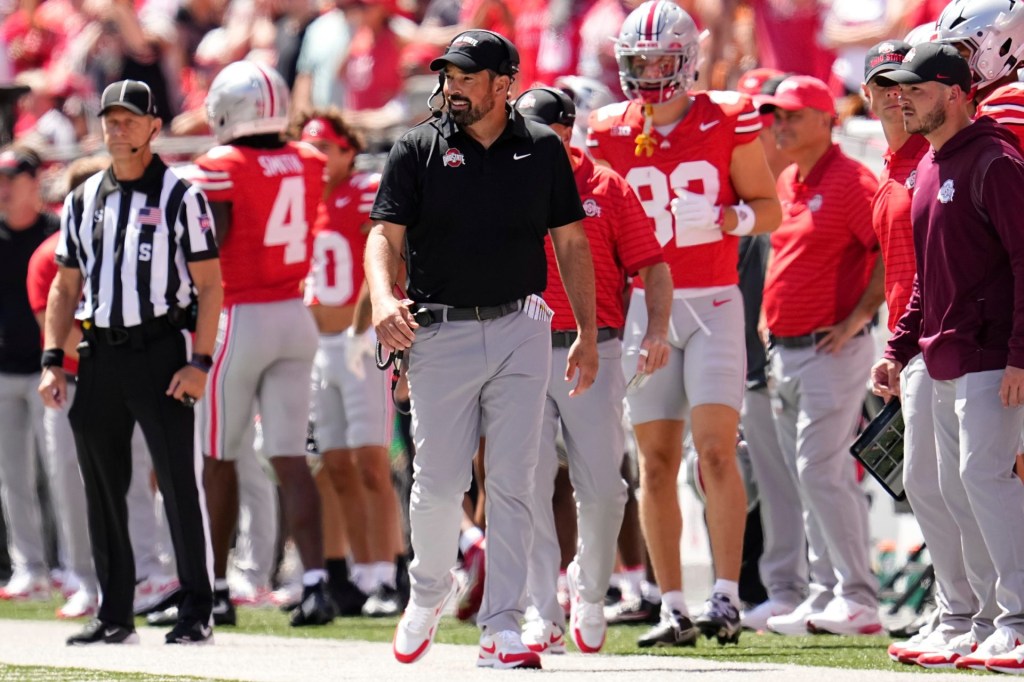
In the middle of those negotiations, Ohio State football coach Ryan Day expressed his frustration to reporters. “I’m excited to find out what the rules are, so we can play by them. And then find out if they’re actually going to be enforced—so we can go from there,” he said during Big Ten media days in July. “The gray is what drives me insane.” He also confirmed Ohio State athletes had lost out on deals due to the lag in approvals.
“We want to make sure we’re doing right by Ohio State, but also being aggressive,” Day said in response to a question from FOS. “What we don’t want to do at Ohio State is make agreements or talk to people about certain deals and have to call those things back because they don’t get cleared.”
Minutes after Day’s press conference, news broke that the commission released new guidance allowing collectives to continue to operate—guidance formalized days later. After that, the NIL Go process began to go a lot smoother, Bjork told FOS. (However, collectives said this week that many of their deals are still in limbo.)
The product on the field this season won’t determine whether the Buckeyes’ new strategy will be successful. Given the phenomenon this past season of “front-loaded NIL rosters,” the Buckeye Sports Group strategy may not truly be put to the test until this recruiting period, and ultimately next season.
For now, the Buckeyes are starting strong. In their Week 1 debut in Columbus, Ohio State knocked the Texas Longhorns off the podium to take the No. 1 spot in the AP Top 25 poll.
Download the FOS App
The business of sports, in your pocket.



Scan the QR code to get the app now.