White Sox Co-Owner Mat Ishbia Endorses MLB Salary Cap—and Floor
Want more from Front Office Sports
in your search results?
Just in time for the expanded College Football Playoff format, the sport has experienced an unprecedented amount of parity. Boise State, SMU, and Indiana have all become unlikely powerhouses this season, making their first appearances. Meanwhile, bluebloods have been pushed out—the Alabama Crimson Tide won’t appear in the Playoff for only the third time in the CFP era. Neither will the Michigan Wolverines, the reigning national champions.
College football’s shake-up can be largely attributed to new NIL (name, image, and likeness) deals and transfer portal rules. This year, for the first time, players were allowed to transfer as many times as they want without penalty, as well as negotiate NIL deals in advance and sign de facto pay-for-play contracts. Teams showed they can entice recruits with big NIL checks—but that success is also possible with a “moneyball” approach.
Despite the NCAA’s attempts to control player earnings and movements, the era of “unrestricted free agency” has arrived. The environment was created by two lawsuits—and it’s not likely to change unless the NCAA can win in court or Congress.
In December 2023, seven state attorneys general filed a lawsuit against the NCAA, arguing its remaining transfer portal restrictions—that players can transfer only once without having to sit out—violated federal antitrust law. A federal judge agreed to temporarily enjoin these restrictions, and the NCAA ultimately agreed to permanently change its rules.
The AGs weren’t done. In January, the Tennessee and Virginia state attorneys general filed a different federal antitrust lawsuit against the NCAA over NIL restrictions. A judge agreed in February, granting a preliminary injunction preventing the NCAA from enforcing any NIL rules until the case is settled (the injunction is still in place, as the case is ongoing). Among other things, that meant the NCAA couldn’t punish athletes, schools, and NIL collectives from conversing and negotiating before an athlete enrolled at a particular college.
By the time the 2024 college football season kicked off in August, teams had a gargantuan pool of transfers to choose from and were allowed to entice them with flashy deals.
The system has created an opportunity for fans, donors, and boosters to bankroll entire new rosters in a way they never could before. The top collectives in the power conference are operating with budgets of between $15 million and $25 million, one industry source tells Front Office Sports. But others have less than $6 million.
A common misconception is that the more money a team has, the better athletes they could recruit.
“The main, biggest thing in NIL roster management is how you spend that money—not the amount of money,” Russell White, the president of The Collective Association, tells FOS. White calls it the “moneyball” approach: sifting through the transfer portal for Group of 5 players, or “underutilized” power conference players, to fit your team’s specific needs. “If you do that … you see results.”
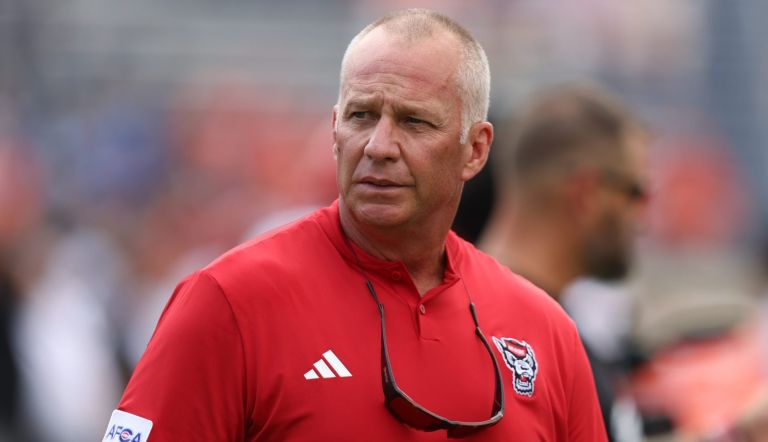
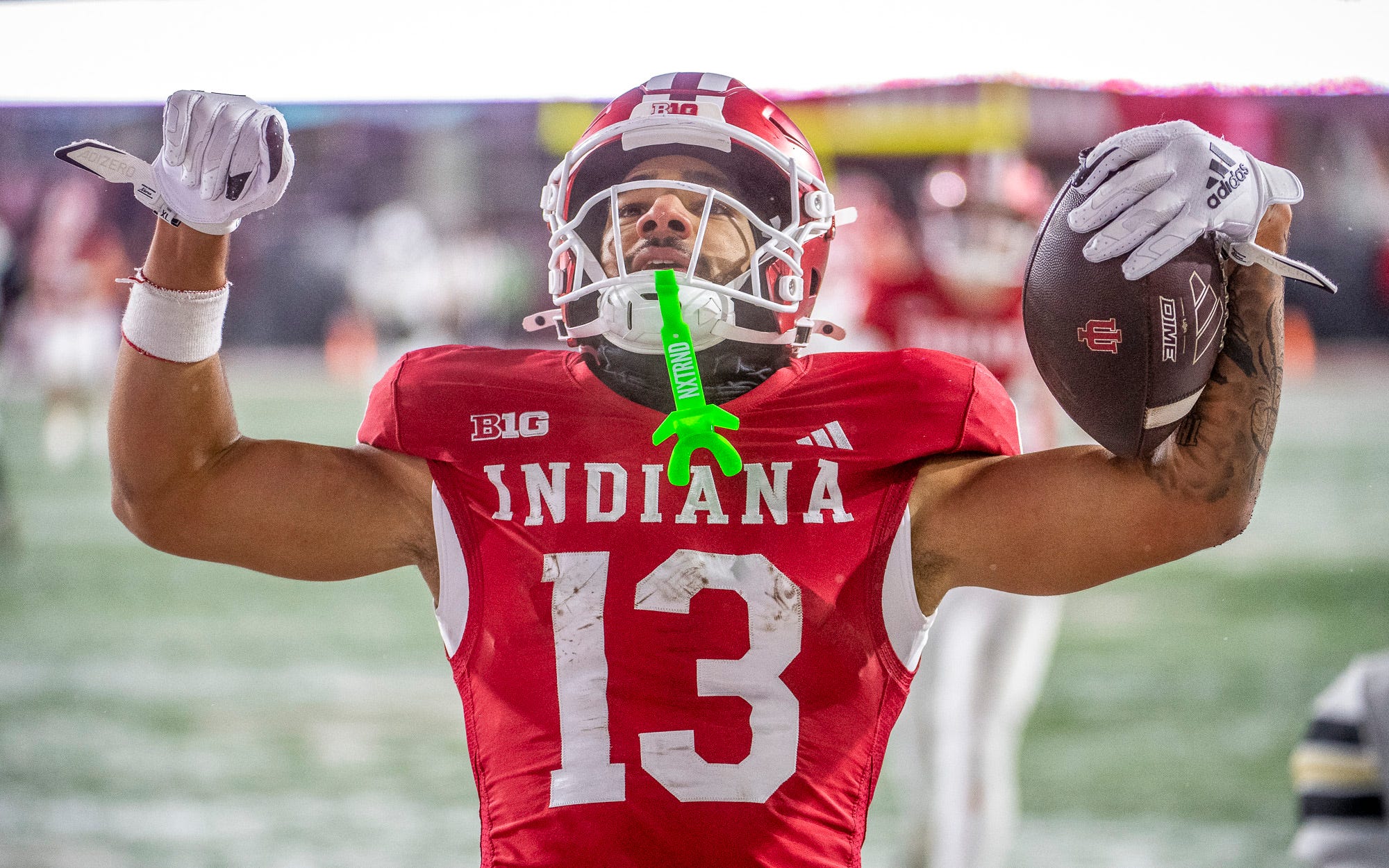
Collectives don’t disclose how much money they make, but White pointed to Indiana as an example of a program that used the portal to completely redo its roster. Last season, the Hoosiers were 3–9, ranked last in the Big Ten East. The program went through a major rebuild under coach Curt Cignetti—and this year, the team notched 11 wins, earned a top-10 ranking, and will appear in the 12-team Playoff.
The parity is, overall, good for the sport, industry sources say. One media-rights expert noted that ratings for postseason games with underdog teams may not be as high as those featuring bluebloods. But the intangible metrics, like social media buzz and storytelling around those teams and games, is likely healthy for retaining fan bases long-term.
But will it last?
If many coaches had their way, it wouldn’t. Despite the recruiting benefits, coaches have lamented the difficulty in re-recruiting their entire roster every year. In some ways, they’re right: It’s an unprecedented situation in sports—none of the major pro leagues in the U.S. allow for unfettered free agency. But they’re allowed to restrict the movement and salaries of their players because they have forged collective bargaining agreements with players’ unions—something the NCAA refuses to allow.
The NCAA has, instead, vowed that congressional intervention could override the court decisions creating this environment, and has spent millions of dollars on a sophisticated lobbying campaign to get lawmakers to act. It’s also using a landmark settlement in the House v. NCAA case to gain more control over the influence of NIL collectives.
But neither a federal law nor the settlement is guaranteed. So until there’s a major legal update, this new normal will continue. The current number of FBS football players reportedly in the transfer portal: more than 1,200.
Download the FOS App
The business of sports, in your pocket.



Scan the QR code to get the app now.