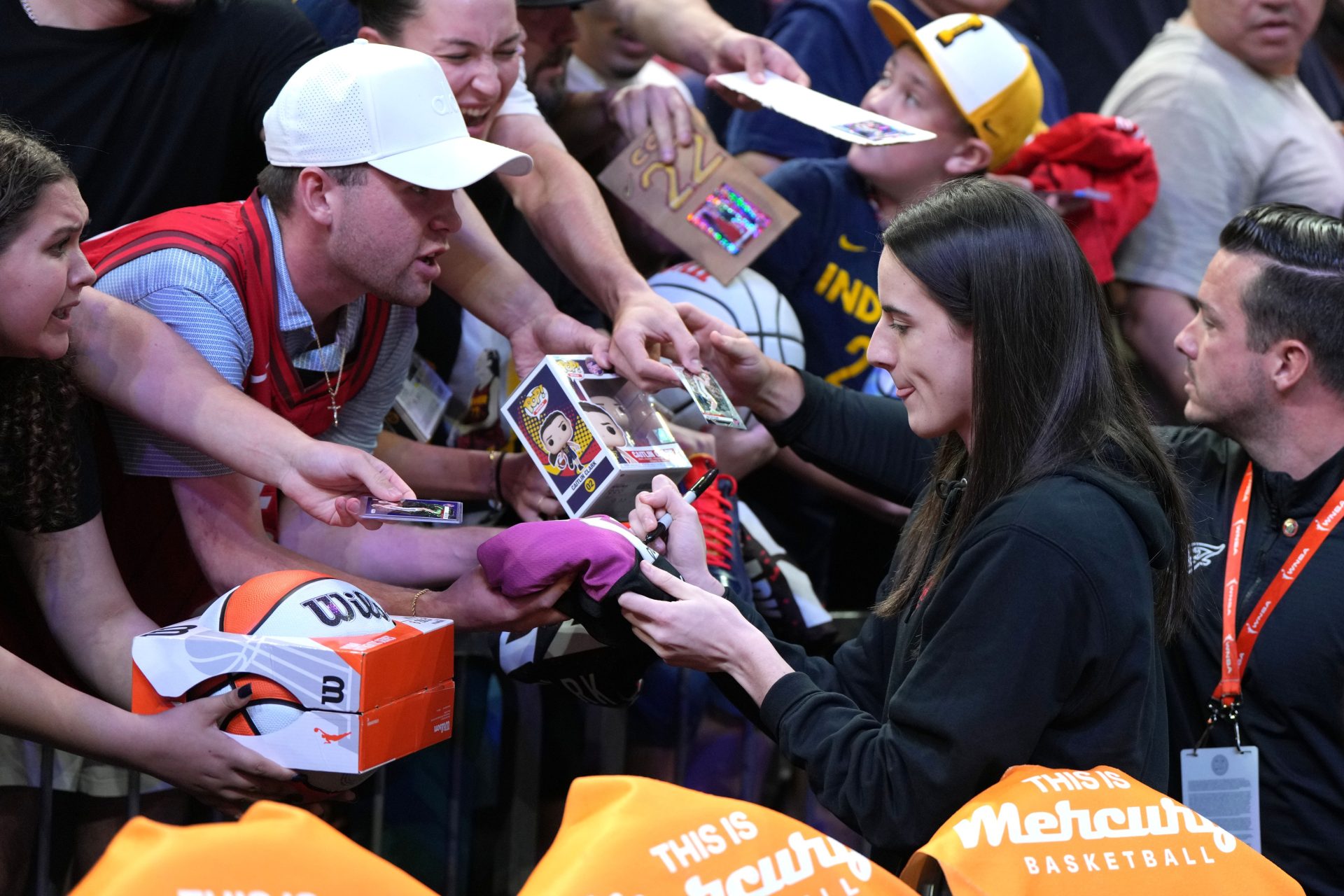
The power and efficacy of the “Caitlin Clark effect” on WNBA ratings has been hotly debated since Clark entered the league in May 2024.
As one ESPN programming executive sees it, Clark is a “gateway drug” to bring new fans into women’s sports writ large.
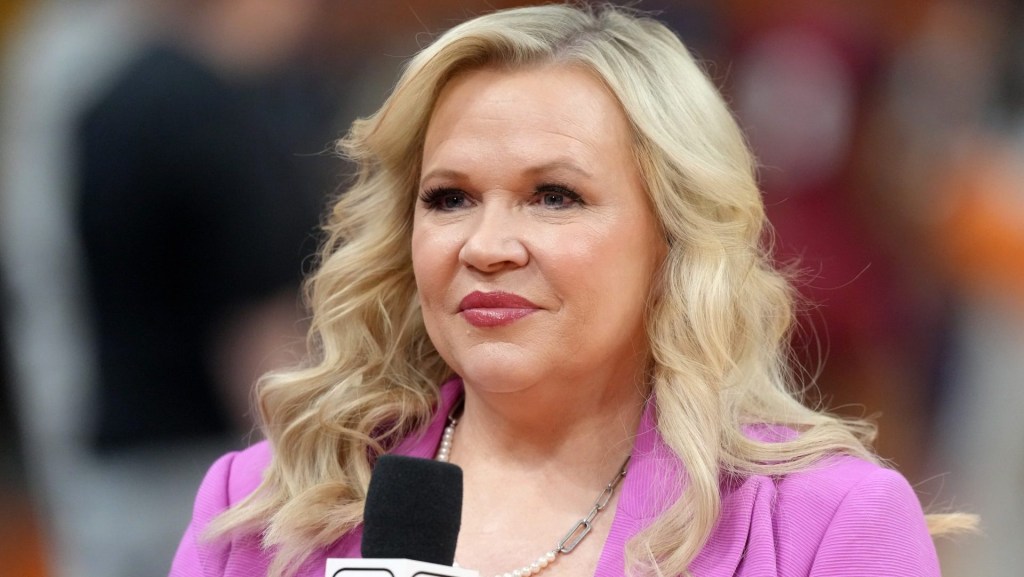
“I say this in quite literally the most positive way possible: Caitlin’s a gateway drug for some people to women’s sports,” Susie Piotrkowski, ESPN’s VP of women’s sports programming and espnW, said onstage at a Front Office Sports event in Nashville last week.
“If that brought you in, I’m going to keep you here,” she continued. “And I’m not going to make you feel silly if you don’t get it, or you still think, ‘Oh, so is that rating because of the Caitlin Clark effect?’ Well, she’s been out of college basketball for a long time. I’m going to tell you why it is more than that. And that’s okay if you’ve come by way of her, now I’m going to tell you why it’s necessary for you to stay here.”
Piotrkowski added that Clark went out with an injury in July and never returned for the rest of the season—and ESPN still had its most-watched WNBA regular season and WNBA Playoffs. The season overall saw a 3% bump in viewership, though the four most-watched games of the season were all Fever games from before Clark got injured.
The comments came on a panel about women’s sports media that also included basketball broadcaster Ros Gold-Onwude (who is currently calling Unrivaled games) and Togethxr executive chair Nancy Dubuc.
“I think every single one of us can say what Caitlin has done for our business is incomparable,” Piotorkowski added. “However, people are coming because the product is excellent. And they are not leaving.”
Gold-Onwude chimed in that Clark has been “huge,” but added, “I think just the entire ecosystem of women’s basketball is rising.”
Earlier in the discussion, Gold-Onwude had said that amid the rise of eyeballs on women’s sports, she sees more pressure on broadcasters to get names, pronunciations, and facts right when talking about the athletes. As an example, she compared mispronouncing Breanna Stewart (“Breanna” rhymes with “banana,” not “fauna”) to mispronouncing Stephen Curry (not pronounced like “Steven”).
“Not everyone was ready to discuss elite female athletes properly. And look, I don’t want to gatekeep, either,” Gold-Onwude said. “But as far as having the facts, being able to pronounce the names … you’d be surprised the discomfort in that. There were some crazy things that came out of your network,” she said to Piotrkowski.
Last week, ESPN made news when it announced it would fill the time slot previously used for Sunday Night Baseball with women’s sports games and studio programming, called “Women’s Sports Sundays,” for the next nine weeks.
“This was done very, very intentionally because the marketplace demands it and the fan demands it,” Piotrkowski told FOS about the move. “What we are creating is a true standalone franchise. This is our Monday Night Football.”