White Sox Co-Owner Mat Ishbia Endorses MLB Salary Cap—and Floor
Want more from Front Office Sports
in your search results?
The power dynamics in college basketball could change forever on April 7, though not because the men’s national championship tips off that day. The House v. NCAA settlement’s final approval hearing is slated for 10 a.m. PT—a landmark proposal that could bring an era of revenue-sharing to NCAA sports for the first time in history.
The settlement will offer $2.8 billion in back-damages to athletes who couldn’t profit from NIL (name, image, and likeness) before 2021. It also redefines NIL to include broadcast revenue, allowing schools to share their media-rights revenue with players: Each Division I program would be allowed to offer up to $20.5 million next year to all athletes in their athletic department. (That revenue-sharing cap would increase every year.) NIL collectives will still exist, but the NCAA is implementing a system to ensure deals through collectives and boosters are “fair-market value” and not “pay-for-play.”
Schools with FBS football programs face a major dilemma. If they give the vast majority of the money to the football program, as many are planning to do, they might leave their basketball teams with fewer recruiting resources. But non-football schools are already planning to take advantage of their different position.
“As we look ahead to this revenue-sharing model, I think that can be, and maybe will be, an advantage for us,” Big East commissioner Val Ackerman told Front Office Sports after the conference tournament, “because our schools can direct their dollars, whether it’s direct payments by the schools or monies from the third parties through collectives, or other third-party entities. We could go right to basketball.”
While power conferences send a much higher number of at-large bids to the men’s and women’s tournaments each year, they certainly don’t always win.
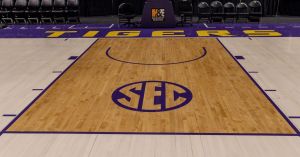
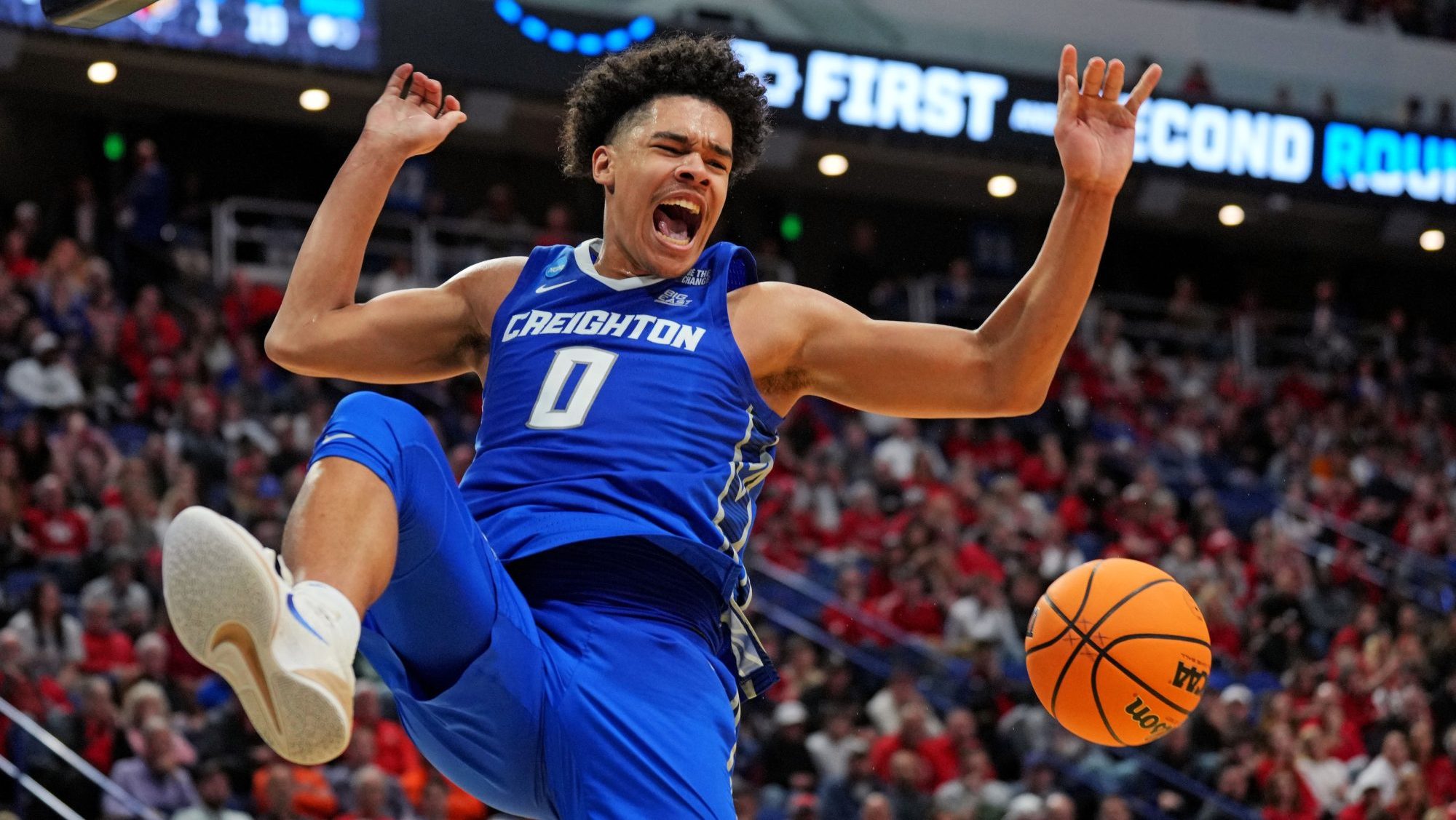
The Big East has claimed four of the past eight men’s basketball championships. And this year, Cinderella programs have already begun to upset power schools. By the end of the round of 64, six of the SEC’s 14 teams had lost. The ACC lost all its teams except Duke.
The House settlement could ensure that trend continues, or even blossoms. Power conference schools are expected to pay football programs 75% of the $20.5 million pool. Take Texas Tech’s reported breakdown: 74% to the football team, 17% to 18% to the men’s basketball team, 2% to the women’s basketball team, 1.8% to baseball, and the rest to other sports. That leaves less than $4 million for the men’s program recruiting opportunities, and only $410,000 for the women’s.
Meanwhile, schools without football programs can pour more of their resources into hoops—potentially enticing recruits away from power conference schools and building on their existing success. And because of a revenue-sharing cap, basketball-only schools don’t even have to offer all $20.5 million to be competitive if they can’t afford it. If a Big East program, for example, can afford only $10 million in revenue sharing, it can still pay its men’s and women’s basketball players more than its power conference counterparts.
Will a football-focused league like the SEC, then, be able to continue sending so many teams to the men’s tournament, even with all the commitment to the sport it has made in recent years?
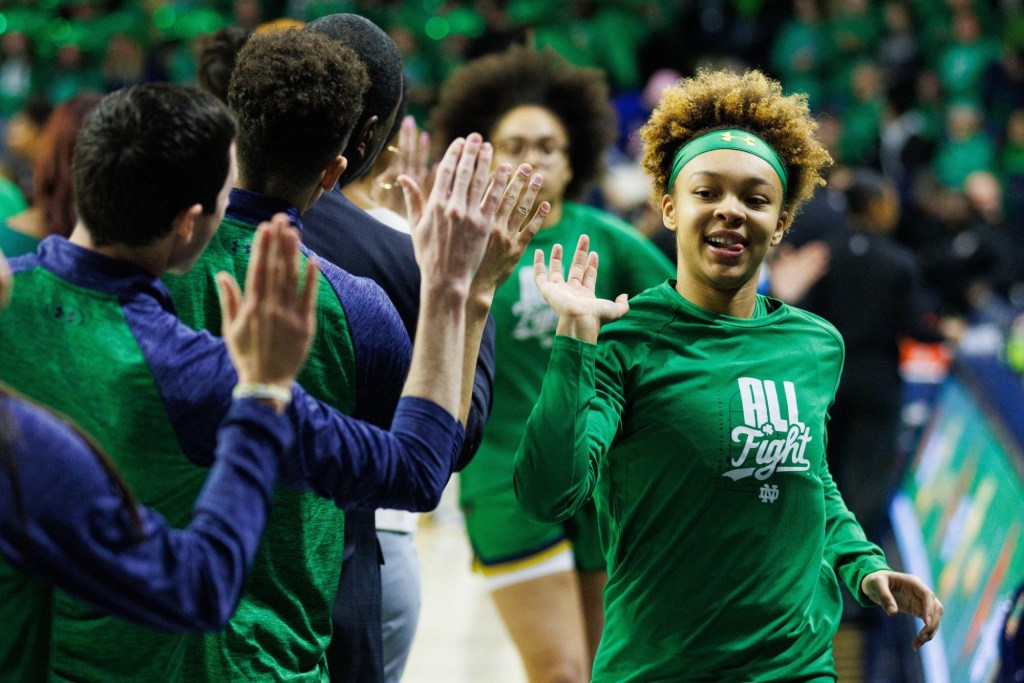
Some schools may be more willing to relinquish basketball resources than others. Historic men’s and women’s basketball bluebloods could face the biggest dilemma. On the men’s side, think UNC, Duke, Kentucky; on the women’s, think Notre Dame, Tennessee, South Carolina, and LSU. Even UConn has an FBS football team to pay.
Perhaps they’ll have to make a choice about whether to risk falling behind in football recruiting to maintain hoops prowess.
There is, however, a potential mechanism to help power conference programs: the continued existence of NIL collective and booster deals.
Players will still be allowed to sign deals with collectives, boosters, or other supporters of their programs. And because of another recent settlement, players can negotiate those deals before committing to a program without fear of retribution—meaning NIL earnings could be part of a recruiting package above and beyond revenue-sharing dollars. Power conference programs might be able to use their boosters and collectives to bridge the revenue-sharing gap for basketball, and then some.
But in the revenue-sharing era, it’s unclear how successful that would be. As part of the settlement, Deloitte will review deals from boosters or collectives over $600 to ensure they’re “fair-market value.” Deloitte then has the power to reject deals above what it determines to be above that threshold. For instance, a collective can’t pay a player $5 million for participating in one autograph signing, using an NIL deal as a guise for a pay-for-play deal. (Of course, questions remain about the legality of this deal, and whether it’s challengeable in court—or truly enforceable by the NCAA or Deloitte.)
Overall, the Big East’s Ackerman felt positive about the league’s future. “We don’t have football revenue,” she says. “But we don’t have football expenses, either.”
That’s never been a bigger advantage.
Download the FOS App
The business of sports, in your pocket.



Scan the QR code to get the app now.