Want more from Front Office Sports
in your search results?
NFL teams pay players a premium to maximize their on-field performance. Now, clubs will be given a new tool to assess how they’re using their resources – in the front-office. Pro Football Focus, a website and data company that provides in-depth, analytical analysis regarding NFL and college football teams, announced that the NFL will start using its newly-created artificial intelligence system that can assess player contract salaries. PFF has contracts with all 32 of the league’s teams.
Going forward, NFL front-office execs can begin finding answers to questions like: how valuable is a running back? What is this player worth in draft capital? And perhaps most importantly, are they paying too much for a player?
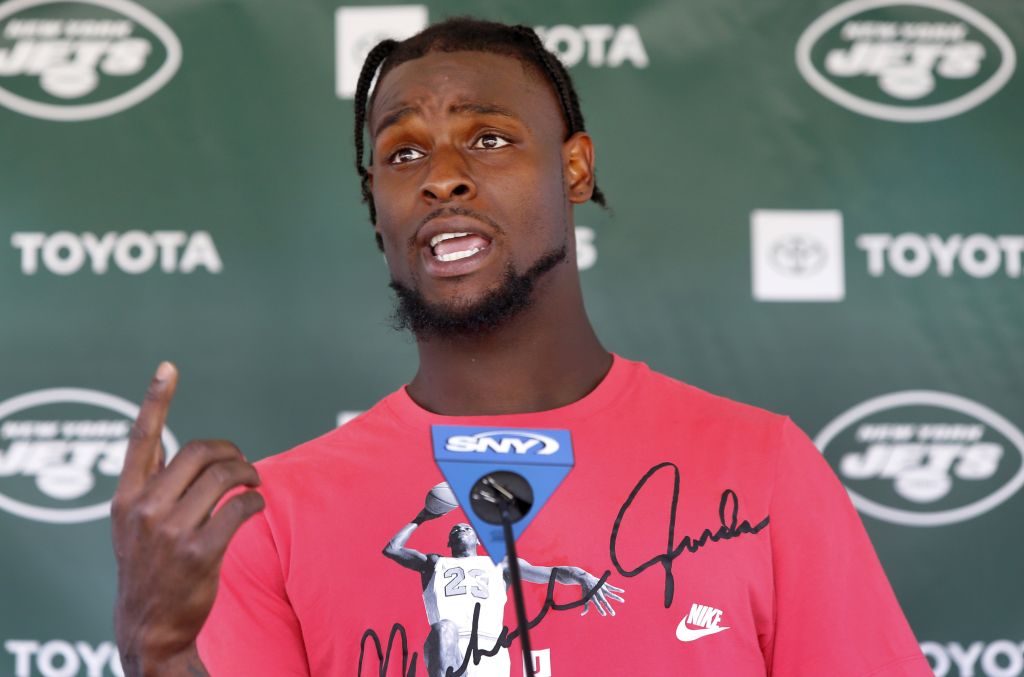
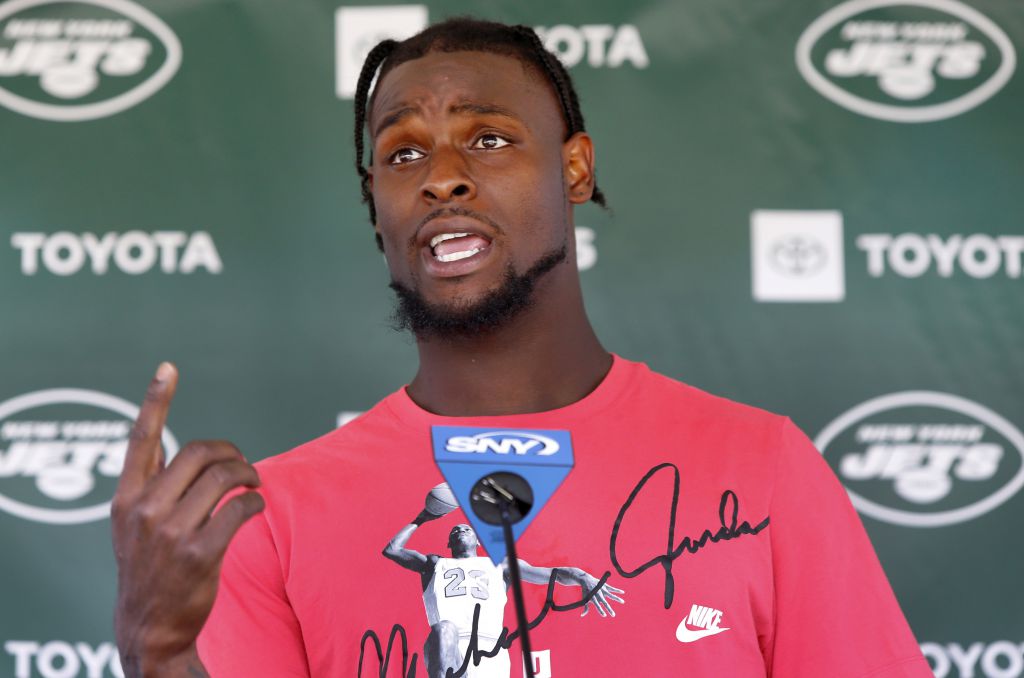
Eric Eager, senior data scientist at PFF, took Front Office Sports under the hood of this new offering. With PFF, Eager has concluded that typical of most NFL off-seasons, some teams overspent on running backs — like the New York Jets did with Le’Veon Bell. On the flip side, Eager lauded the Detroit Lions for signing defensive end Trey Flowers away from the New England Patriots for less than a max deal. Despite PFF’s comprehensive analysis, Eager wants everyone to know that it isn’t supposed to intimidate or replace front office execs or scouts. Instead, it’s there to help with their decision making.
READ MORE: Leagues Continuing to Appreciate, Embrace AI
Front Office Sports: What is the criteria that PFF uses to evaluate valuable contracts compared to [contracts] where the player definitely won that deal?
Eric Eager: It’s basically like: what would our projected value be for him, and then what did he end up getting is the clear determination there. Now there’s some nuance to that because the salary cap is probably going to increase so a guy who might be “overpaid” now, three years into his deal he might be underpaid because the entire tide is rising. His percentage of the cap is too high now, but three years in, you have to make a projection about, “Okay, is that player going to continue having that value for his team?” Some players will fall off right away and even though the market increases and their salaries [are] a smaller fraction of the market, they still might not be valuable enough to warrant where some players — mostly quarterbacks — will likely maintain their value throughout their entire deal.
Generally speaking though, for us it’s usually about two processes: is the player good and is the player adding wins to this team? There are a lot of teams that will sign players that either aren’t good or, this is generally the case, they’re good, but they do something that’s not extremely valuable. They’re paying a premium for something that’s ancillary to the entire process of winning games, which is really the most important thing.
FOS: Given this advanced technology that PFF created, how do you anticipate front-office people and agents [will react] to its take on these player contracts?
Eager: I think it’s probably going to be similar to the way that they use our grades now – I think it’s probably going to be a part of the conversation. I don’t think any team is ever going to do this fully from an analytics or AI [perspective] or whatever the buzz word is. I think it’s mostly going to be a point of all the time. When you’re a decision maker, you’re looking for independent opinions, because the wisdom of the crowds suggests that the average of a bunch of independent decisions makes the best decision. Oftentimes in a team setting, there are a ton of incentives for people to think that decisions that are correlated with the people that they work for because you want to keep your job. At PFF, as an independent entity, us providing an independent opinion would be extremely valuable to the league because it would aid in the construction of a good, sound, data-driven decision — with PFF being one of those prominent seats at the table.
FOS: Have you received any complaints from front-office people or agents who perhaps feel that PFF undermines their work?
Eager: Generally not. I think that was something that was more historical — since we have all 32 teams for a client, we know in some sense our place in the conversation. I think that the complaints are few and far between. Now feedback in terms of how our methods are coming in are or being implemented is always welcome on our end and we certainly have taken the teams feedback and used it to our advantage at times.
READ MORE: TrackMan: The Danish Golf Startup Behind Baseball’s Latest Change
FOS: How do you find that balance between advancing the sport with technology but also preserving that human touch that’s associated with front office dealings and scouting analysis?
Eager: At its core, our process is scouting-based. Our people that watch the games and develop the grades are doing exactly that. The feedback that we get most strongly is from scouts and teams. It’s at our very core – we respect football enough to test their hypothesis as opposed to our own. That, I think, is the key balance that we have to strike.
FOS: What impact do you think this wave of AI and analytics is having on football?
Eager: I think that the football analytics community as a whole is really starting to come to a conclusion on what wins football games as opposed to what people historically thought won football games, or what was impressive about football players. To me that’s the biggest takeaway – that there are certain things that we forever thought won football games or were the most important things about football that simply aren’t. That to me is the biggest thing and everything else falls from this idea of learning what wins football games because ultimately, that’s what the teams are playing for.
Download the FOS App
The business of sports, in your pocket.



Scan the QR code to get the app now.