Lawmakers are up in arms over prediction-market platforms like Kalshi and Polymarket advertising to minors on social media. Critics caution the companies risk a trajectory like Juul, whose youth-focused marketing led to regulatory scrutiny, legal action, and a steep decline from its $38 billion peak.
Kalshi and Polymarket—which allow people as young as 18 to use their platforms—have leaned in to viral advertising tactics to capture market share. In traditional, state-regulated sports betting, many states require users to be at least 21. Between shitposting and paying affiliates to promote their platforms, Kalshi and Polymarket have generated attention and caused an uproar.
FanDuel cofounder Nigel Eccles says prediction markets have drifted into a type of advertising gambling companies have learned—often painfully—to avoid.
Kalshi has taken heat for a social media ad in which a young woman claimed she paid her rent for two years trading on Kalshi.
“I love gambling; I work in the gambling industry,” Eccles tells Front Office Sports. “But I have a huge problem with people trying to basically mislead customers as if it’s some sort of financial liberation.”
Kalshi has also come under fire for a brief partnership it had with a 15-year-old (Kalshi says the agreement was immediately “unwound” once the person’s real age was discovered).
“We don’t advertise to minors, and we don’t use influencers who are minors in our marketing,” Kalshi spokesperson Elisabeth Diana tells FOS.
Kalshi has recently made efforts to show it’s focused on user safety and ensuring that minors cannot access its platform. On May 4, the company announced new measures, including Face ID “to ensure minors do not access their parents’ accounts,” as well as two-factor authentication to “prevent unauthorized access by minors and others.” Earlier this week, Kalshi joined the National Council on Problem Gambling and announced a $2 million, two-year investment to “support a strategic initiative focused on trader health and safety.” Cofounder Tarek Mansour has even publicly expressed support for some bills aimed at cracking down on the prediction-market industry.
Polymarket has been criticized for crass Instagram posts, including one featuring Raptors player Gradey Dick with the headline “DICK IS GROWING,” and another referencing ESPN reporter Shams Charania and Amazon Prime Video host Taylor Rooks with the caption “BRO CUCKED TAYLOR ROOKS.”
A representative for Polymarket declined to comment for this story. Nick Tomaino, an early investor in Polymarket through his VC fund 1confirmation, defended the tactics in November, telling FOS “the reason the Polymarket brand is so strong is it’s authentic. Also, it’s done tastefully. No one is offended, right? It’s just funny. Young people like it.”
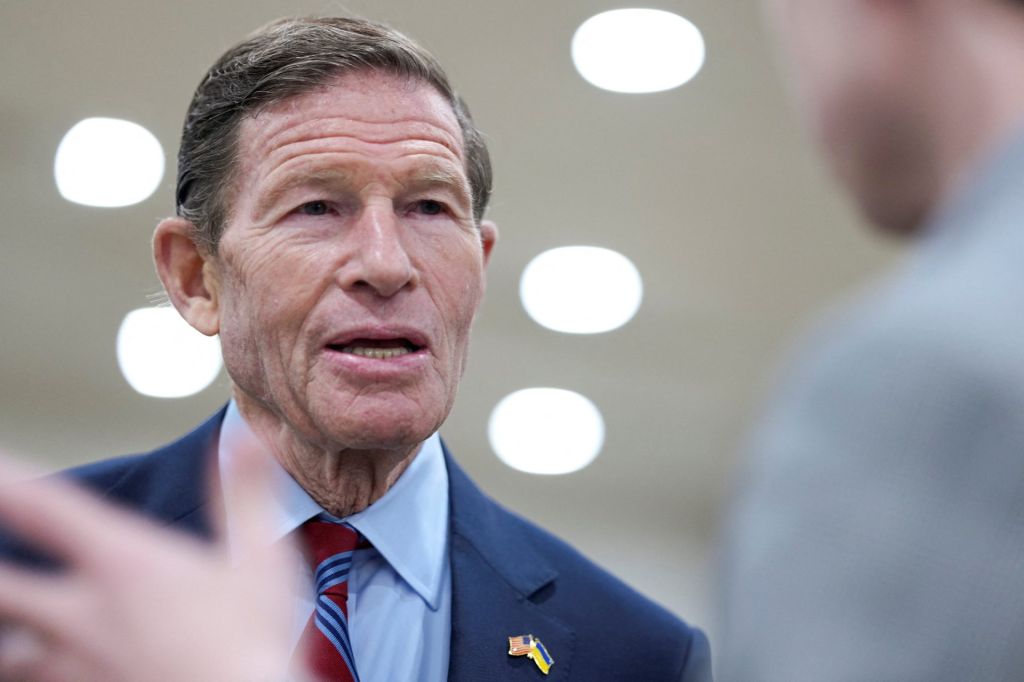
But some people are offended. This week, the backlash came to a head, with lawmakers showing bipartisan support for a crackdown on such advertising. Sen. Katie Britt (R., Ala.) and Richard Blumenthal (D., Conn.) introduced the Gaming Advertisement to Minors Enforcement Act. And during a Wednesday Senate subcommittee hearing that featured speakers including Patrick McHenry, senior advisor to the Coalition for Prediction Markets (which includes Kalshi, Robinhood, and others, but not Polymarket), as well as Scott Sadin, cofounder and co-CEO of integrity monitor IC360, youth-centric advertising was a key focus.
“Our young men are in crisis,” Sen. Marsha Blackburn (R., Tenn.) said during the hearing. She noted that more than one-third of boys between the ages of 11 and 17 admitted to gambling last year, and that 60% said the opportunity to gamble had surfaced through social media algorithms.
“It was served up to them,” she said. “They didn’t search for it. This is not safe, it needs to stop, and advertising to minors is disgusting.”
While prediction markets are the topic du jour right now, traditional sports betting also continues to catch heat as a “public health crisis” because of how prevalent betting is among young men.
The Juul Comparison
Critics say Juul is a cautionary tale for prediction markets. Eccles posted in February that Kalshi was “going down the same path as Juul, and if they don’t pull back it is going to have the same conclusion.”
The vape company, whose pods include nicotine, hit a $38 billion valuation in December 2018, less than two years after it was formed, thanks to a $12.8 billion investment from tobacco giant Altria Group. Its popularity was due in part to the proliferation of flavors like mango, creme, and mint, which were heavily advertised, and drew state attorneys general lawsuits.
One suit from Massachusetts claimed Juul was targeting young people, including through advertisements on Nickelodeon, Cartoon Network, and Seventeen magazine. The U.S. Food and Drug Administration separately moved to restrict the company’s products.
By November 2018, Juul stopped selling those flavors in stores, and by September 2019 it suspended all broadcast, print, and digital product advertising in the U.S.
In the end, Juul paid a total of roughly $1.7 billion across settlements with numerous state attorneys general. By March 2023, Altria no longer had any direct investment in Juul. Today, investors consider Juul’s valuation to be around $1 billion (the company is now privately owned, with investors including its founders).
Attorney Ariel Givner, founder and principal of Givner Law, also drew the Juul comparison on social media. “Prediction markets are having a Juul moment,” she wrote in March.
Givner tells FOS that platforms like Kalshi and Polymarket are in “growth mode, where it’s like ‘don’t ask for permission, apologize later.’”
She’s not “anti–prediction market” but thinks there needs to be stronger regulation. “Juul, in their early campaigns, used models, bright colors, party stuff, and it was heavily pushed through Instagram and influencers, which is what we’re seeing with prediction markets,” Givner tells FOS. “There’s just no way that this is good for our society.”